-
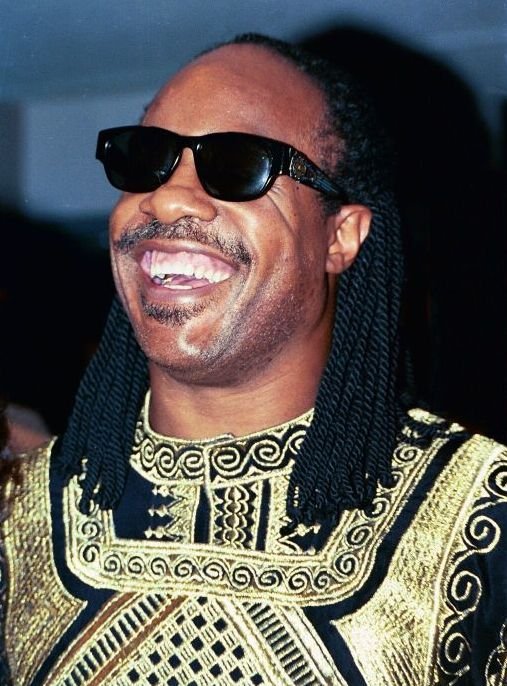
Stevie Wonder: The Song That Helped Make Martin Luther King Jr. Day a Holiday
There are songs that capture a moment, and there are songs that help to change the calendar. Stevie Wonder’s “Happy Birthday,” released in 1980, belongs to the second group. It is a joyful, danceable song, full of the bright keyboards and unstoppable melody that made Wonder one of the defining musicians of the 1970s. It…
-
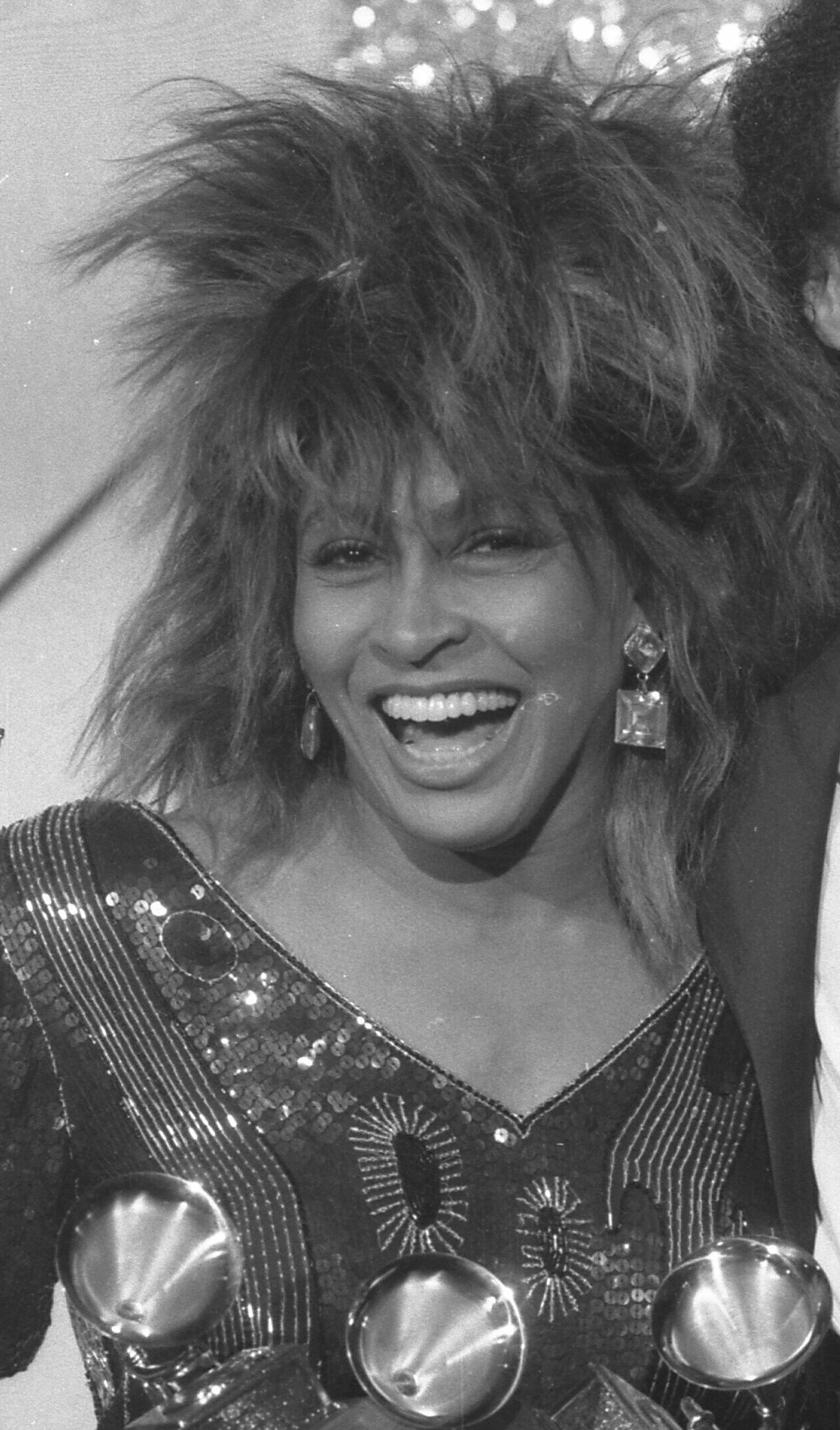
Tina Turner: How Private Dancer Turned a Survivor Into a Superstar
By the early 1980s, Tina Turner was a famous name with an uncertain future. Millions of people knew her voice, her legs, her hair, and the ferocious energy she had brought to stages with Ike Turner. Far fewer people were buying her records. She had left Ike in the mid-1970s, endured a difficult divorce, and…
-
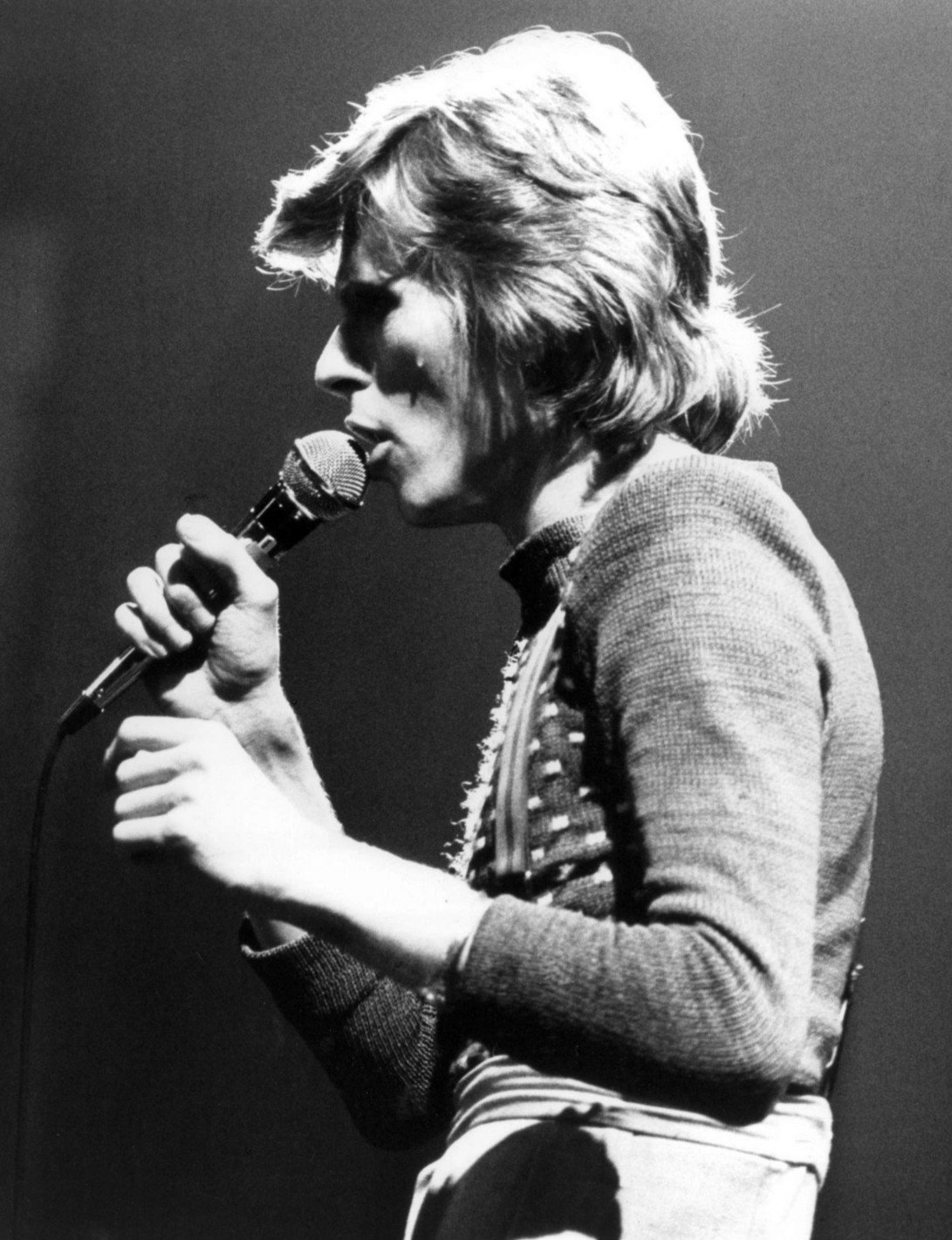
David Bowie: The Night Heroes Sang Over the Berlin Wall
On 6 June 1987, David Bowie played a concert in West Berlin, in front of the Reichstag building, a few hundred metres from the Berlin Wall. The concert was part of the Glass Spider Tour, promoting his album Never Let Me Down, and it was, by the standards of that tour, a large, theatrical, stadium-scale…
-

Aretha Franklin: Amazing Grace — Two Nights in a Church That Changed Gospel Forever
In January 1972, Aretha Franklin did something that, by the standards of her career at the time, seemed almost perverse. She was the Queen of Soul, the most successful female recording artist in America, with a string of Atlantic Records hits behind her — “Respect,” “Chain of Fools,” “Think,” “Natural Woman” — and a voice…
-
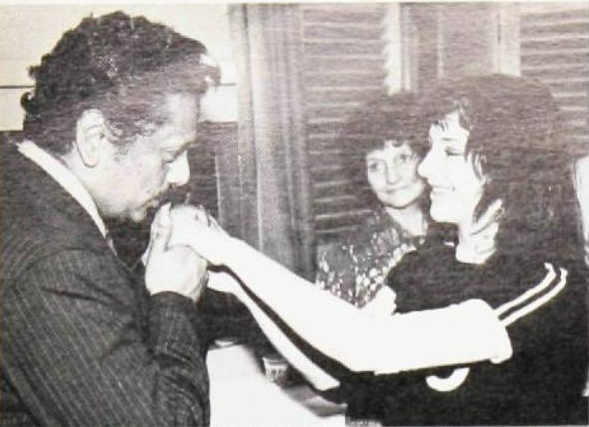
Kate Bush: Wuthering Heights — The Teenager Who Wrote a Ghost Story and Topped the Charts
In January 1978, a nineteen-year-old singer from Kent released her first single, and British radio did not know what to make of it. The song was “Wuthering Heights,” and it was sung, in a high, swooping voice, from the perspective of a ghost: Catherine Earnshaw, the heroine of Emily Brontë’s 1847 novel, calling through a…
-
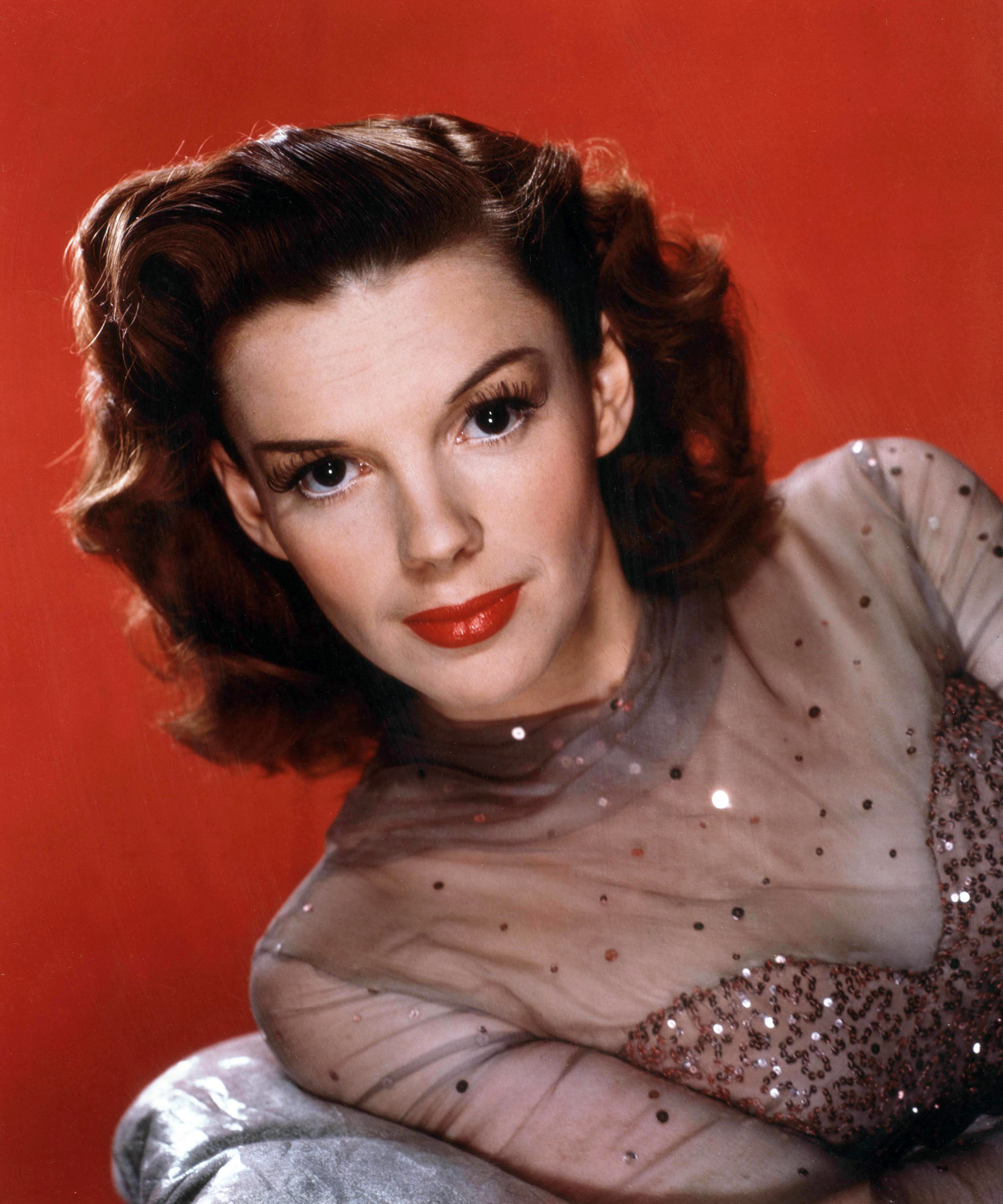
Judy Garland: Carnegie Hall, 23 April 1961 — The Greatest Night in Show Business History
On the night of Sunday, 23 April 1961, Judy Garland walked onto the stage of Carnegie Hall in New York and gave a concert that has been called, ever since, the greatest night in show business history. The phrase sounds like hyperbole, and it was, in part, a piece of publicity: it appeared in the…
-
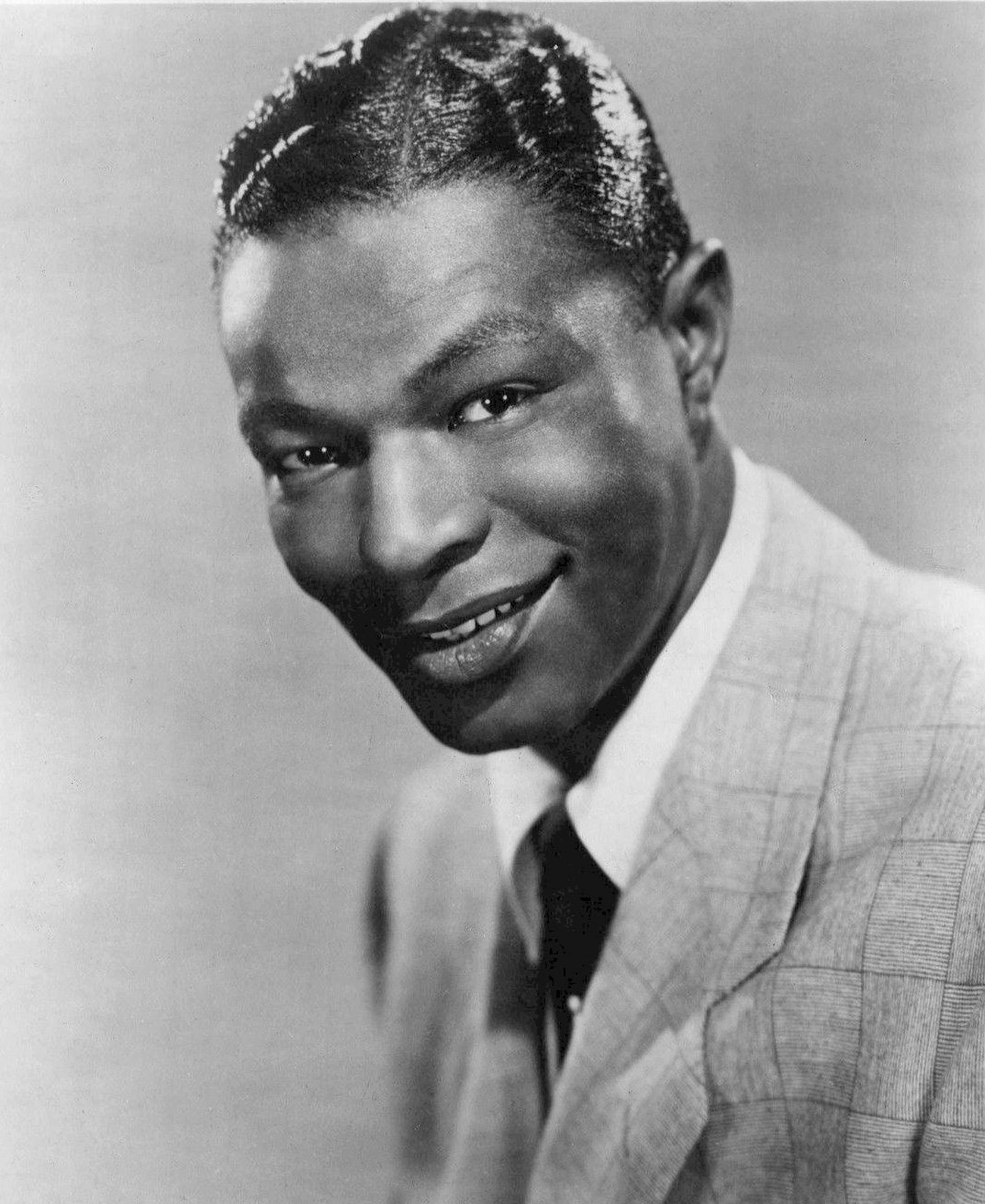
Nat King Cole: The Show That Television Was Afraid to Sponsor
On the evening of 5 November 1956, a singer walked onto a television stage in New York and made history without raising his voice. Nat King Cole, already one of the most popular recording artists in America, hosted the first episode of The Nat King Cole Show on NBC. It was a fifteen-minute variety programme,…
-
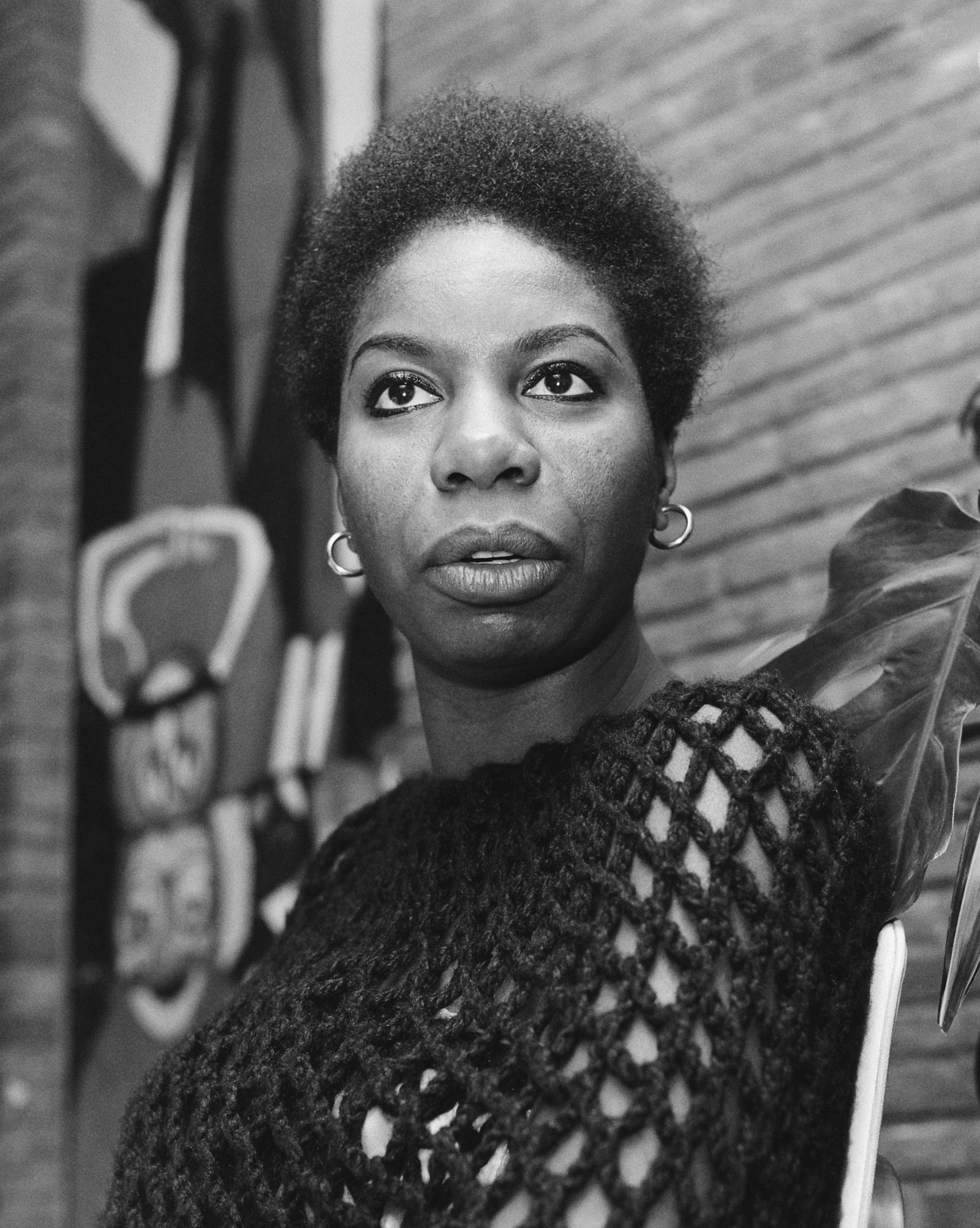
Nina Simone: Mississippi Goddam — The Song That Cost Her a Career and Made Her Immortal
Nina Simone did not set out to write a protest song. In September 1963 she was a successful jazz and cabaret singer, known for her extraordinary piano playing, her classical training, and a voice that could move, within a single song, from a whisper to a shout. She had recorded “I Loves You, Porgy” and…
-
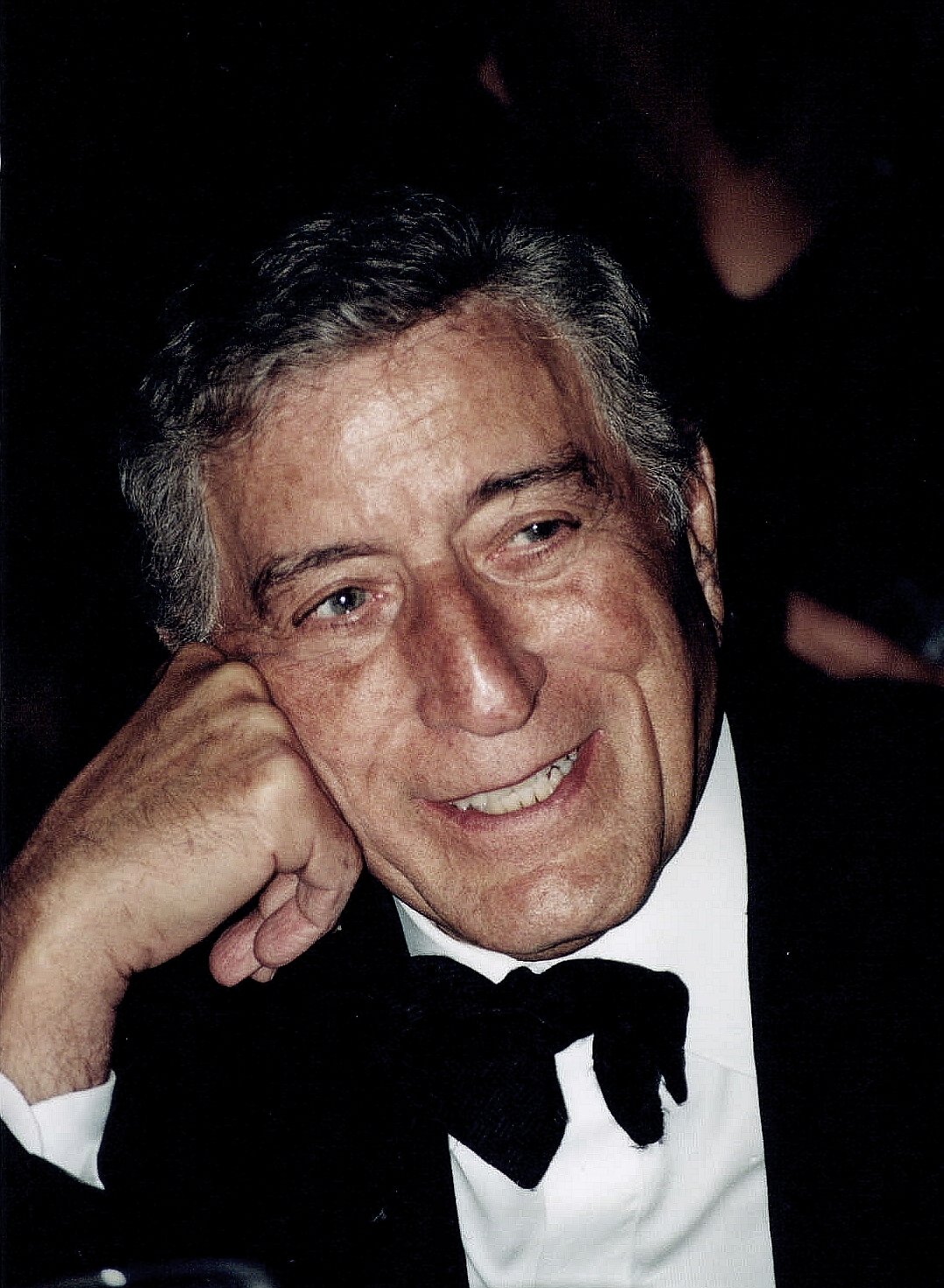
Tony Bennett: MTV Unplugged — How a 67-Year-Old Crooner Became Cool Again
In April 1994, Tony Bennett walked onto a small stage at Sony Studios in New York, sat down with his quartet, and sang the songs he had been singing for forty years. There was no orchestra, no costume change, no video screen, and no attempt to sound younger than he was. The audience was full…
-
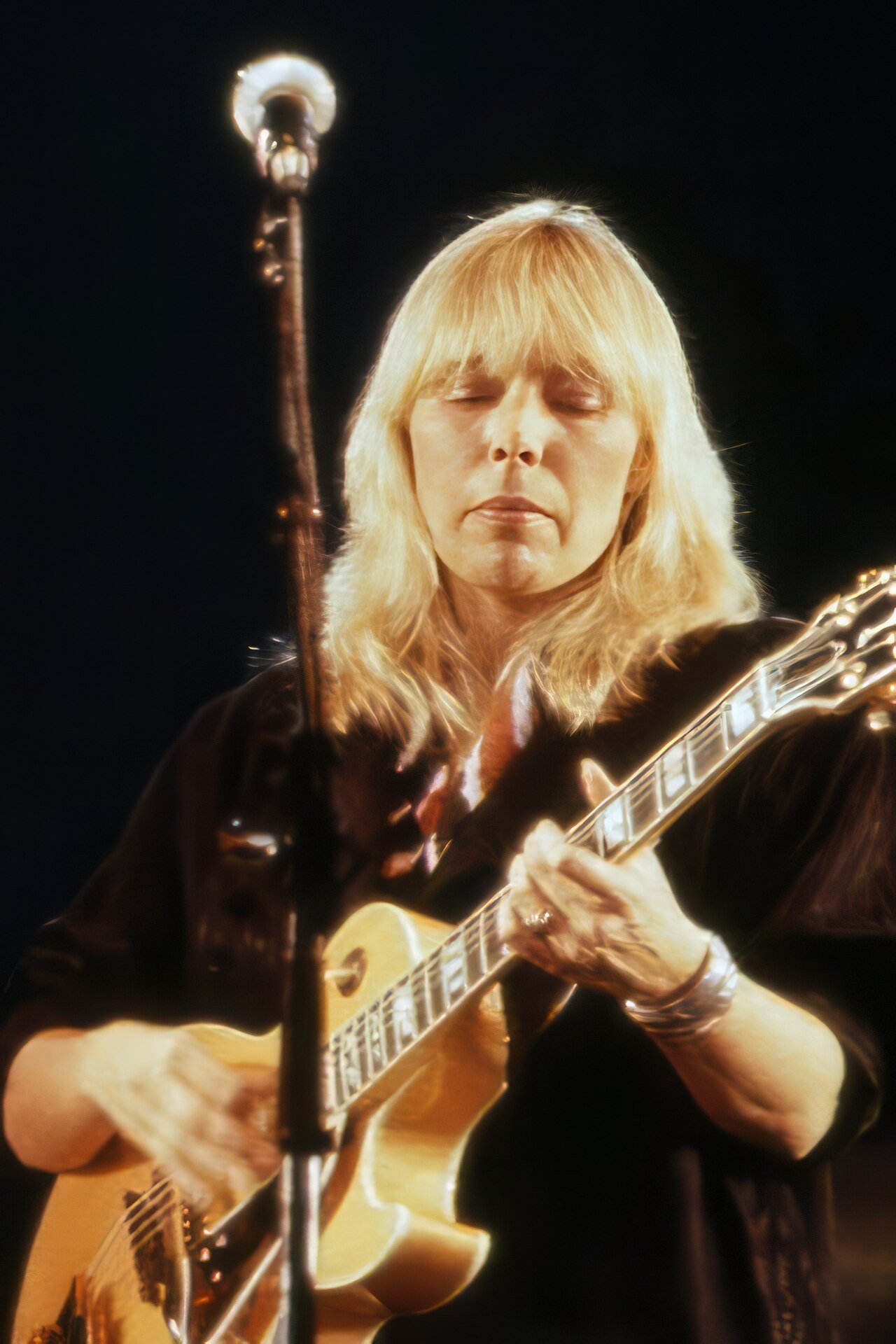
Joni Mitchell: Blue — The Album She Wrote on the Road, and the Price of Telling the Truth
Joni Mitchell’s Blue, released in June 1971, is one of the shortest great albums ever made. It runs for about thirty-six minutes, it contains ten songs, and for long stretches it is nothing more than a voice, a piano or a dulcimer, and a guitar. There is no band to hide behind, no string section…