-

How Genesis Made ‘Follow You Follow Me’: The Ten-Minute Love Song That Turned a Prog Band Into Pop Stars
In the autumn of 1977, Genesis were a band in danger of becoming a trivia question. They had spent a decade as progressive rock’s most theatrical cult act — the group of Supper’s Ready, of Peter Gabriel in a fox’s head and a red dress — and now the second of their founding voices had…
-
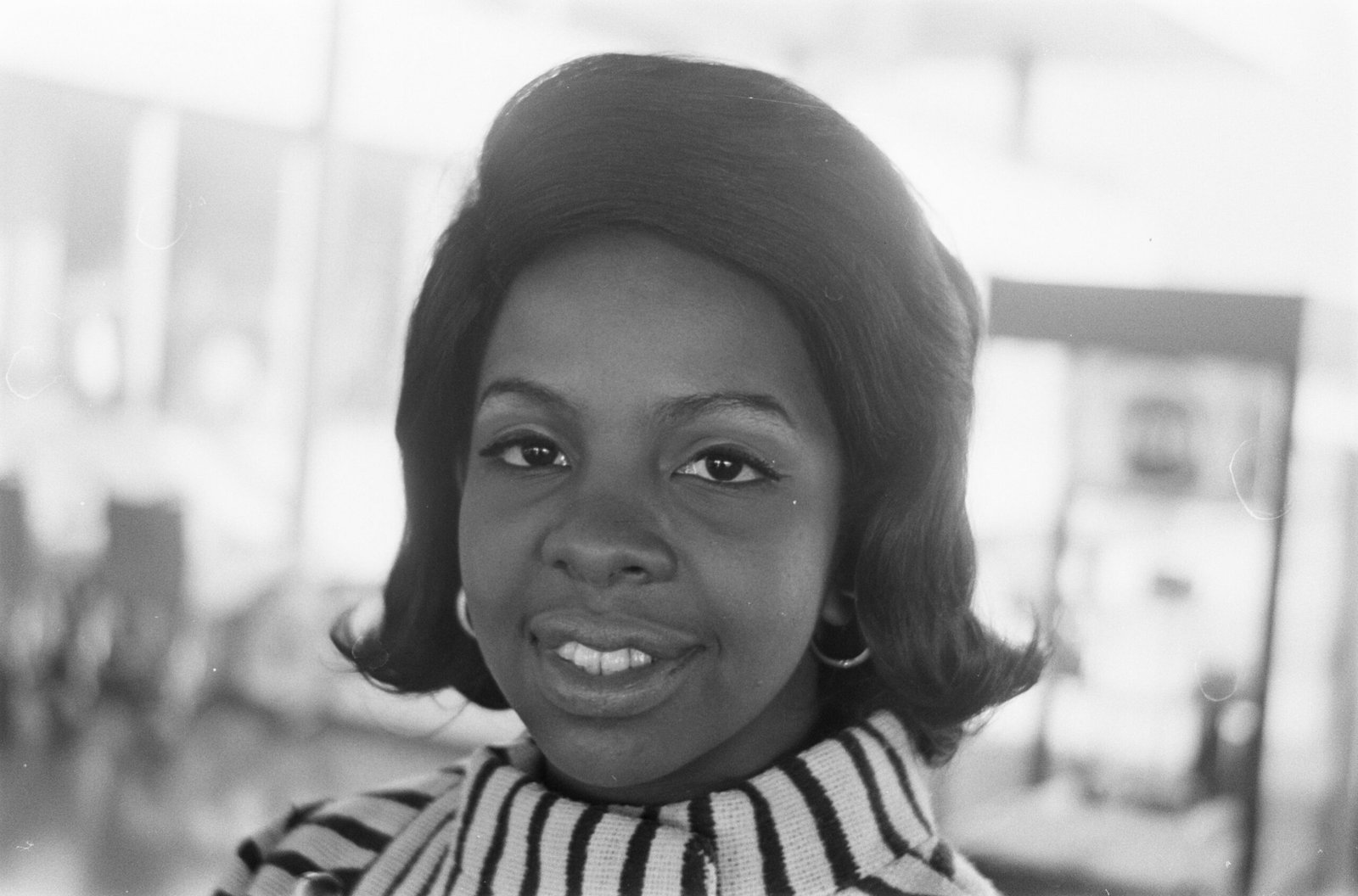
How Gladys Knight & the Pips Made ‘Neither One of Us’: The Goodbye They Sang to Motown Itself
In the last weeks of 1972, Gladys Knight & the Pips recorded a song about two people trapped in a relationship that is already over. Neither lover can bear to speak first. The words hang there, unsayable, while both of them wait in the wreckage for the other to find the courage. Neither One of…
-

How Gloria Gaynor Made ‘Let Me Know (I Have a Right)’: The Follow-Up That Turned Surviving Into a Bill of Rights
In the autumn of 1979, Gloria Gaynor faced the most dangerous assignment in pop: the follow-up. That spring, I Will Survive had climbed to number one and turned a singer who had quite literally recorded while recovering from back surgery into the voice of everyone who had ever been knocked down. A lesser artist would…
-

How Fleetwood Mac Made ‘Gypsy’: The Mattress on the Floor, the Dying Friend, and the Most Expensive Video Ever Made
Some hit songs look forward. Gypsy looks back — deliberately, longingly, and from the very top of the world. Stevie Nicks wrote it around 1979, when Fleetwood Mac had become, in her words, “very famous, very fast,” and everything in the song reaches in the opposite direction: to a San Francisco apartment, a mattress on…
-
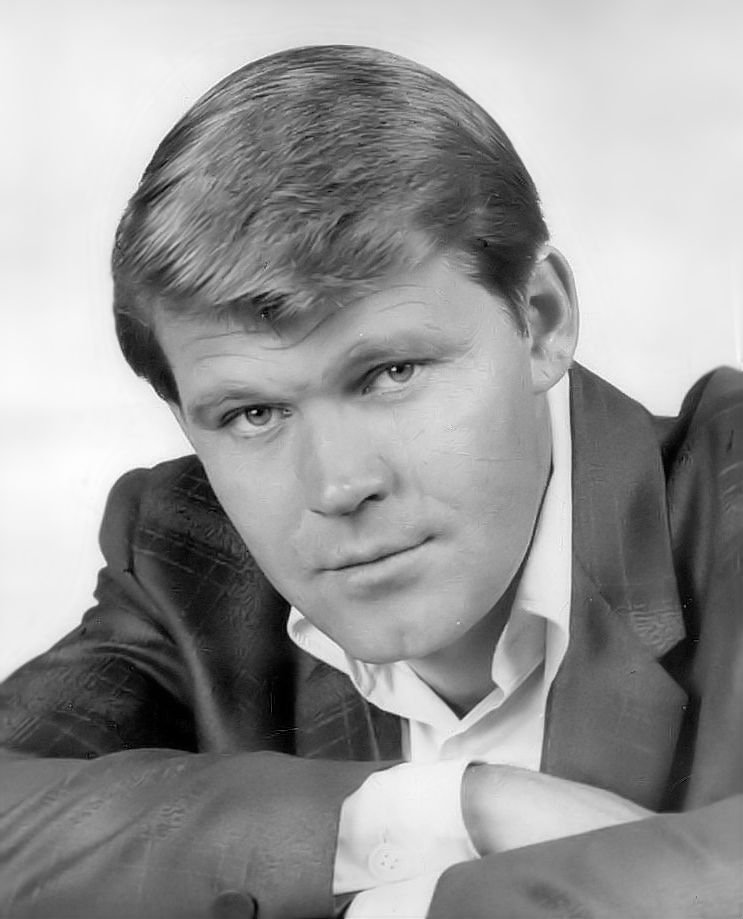
How Glen Campbell Made ‘Southern Nights’: The Louisiana Keepsake That Topped Three American Charts
Most hit songs are built to be hits. Southern Nights was built to be a memory. Allen Toussaint, the great New Orleans songwriter and producer, wrote it about the childhood summers he had spent visiting relatives in the Louisiana backwoods — nights of storytelling on the porch, under skies thick with stars, in a world…
-

How Eurythmics Made ‘Here Comes the Rain Again’: The Orchestra Recorded in a Kitchen and a Bathroom
By the autumn of 1983, Annie Lennox and Dave Stewart had a problem most musicians would kill for: they had to follow Sweet Dreams (Are Made of This). The icy synth record made in an attic had turned two broke ex-lovers into the defining duo of the decade, and now everything they did next would…
-
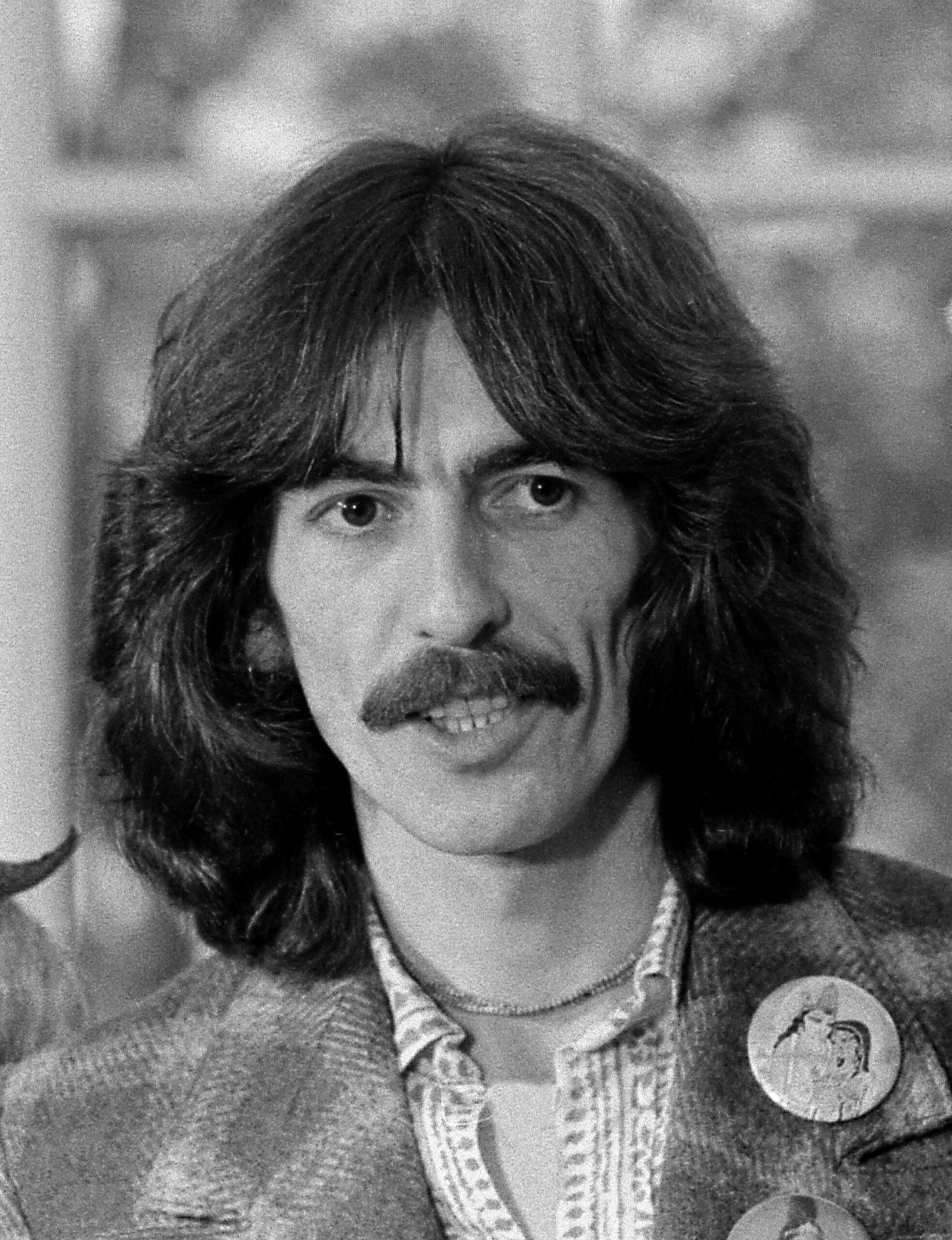
How George Harrison Made ‘Got My Mind Set on You’: The Forgotten Record He Bought in 1963 That Became His Last Number One
The comeback began with a record George Harrison had bought twenty-four years earlier, in a shop in Illinois, before anyone outside Liverpool and Hamburg had heard of the Beatles. In the summer of 1963, Harrison travelled to Benton, Illinois, to visit his sister Louise — five months before the Beatles’ era-defining appearance on The Ed…
-

How Hall & Oates Made ‘Sara Smile’: The Postcard That Saved a Career
In the summer of 1975, Daryl Hall and John Oates were a duo running out of chances. They had met as students at Temple University in 1967 — by their telling, sheltering in a service elevator while a fight broke out at a Philadelphia dance — and they had been chasing a sound ever since.…
-

How Eric Clapton Made ‘Wonderful Tonight’: The Song He Wrote While Waiting for Pattie Boyd to Get Ready
Most love songs are written in the grip of grand passion. Wonderful Tonight was written by a man sitting downstairs with his guitar, already dressed, waiting for the woman he loved to finish getting ready. On the evening of 7 September 1976, Eric Clapton sat in the London home he shared with Pattie Boyd, picked…
-

How Gordon Lightfoot Made ‘Canadian Railroad Trilogy’: The Three-Day Commission That Became Canada’s Folk Anthem
Most commissioned songs die with the occasion they were written for. The Canadian Railroad Trilogy was written for the most official occasion imaginable — a television special launching Canada’s centennial year — and it has outlived the centennial, the broadcaster’s expectations, and very nearly the century itself. In six minutes, Gordon Lightfoot compressed the building…