-
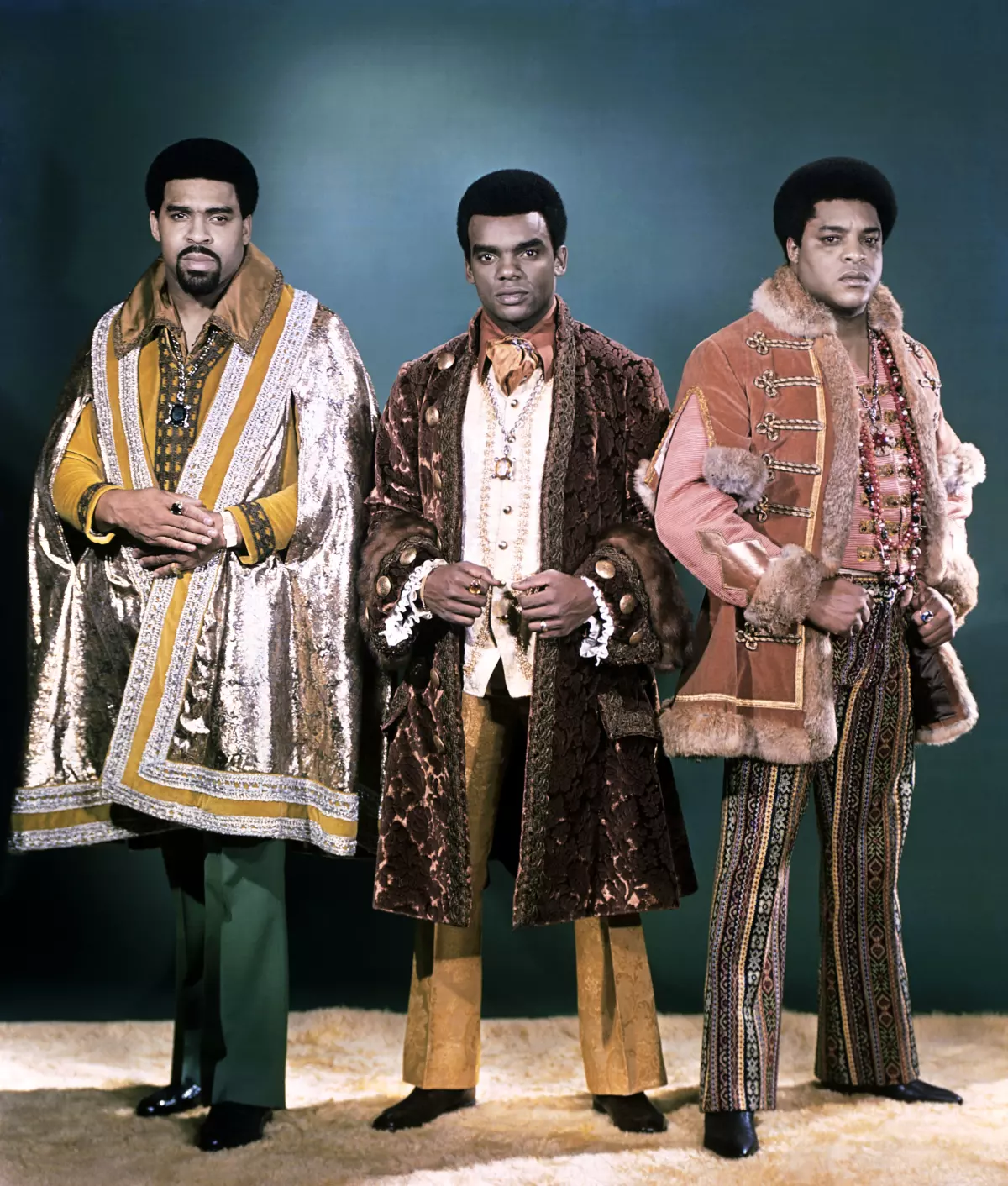
The Isley Brothers: That Lady and the 3+3 Reinvention That Changed Soul
A family band with three careers already The Isley Brothers had already lived several musical lives before 1973, and that is what makes their reinvention that year so remarkable. The brothers from Cincinnati, Ohio — Ronald, Rudolph and O’Kelly Isley, with younger brother Vernon, who died young — had begun singing gospel as children, then…
-

Willie Nelson and Farm Aid: The Day Country Music Stood Up for the Family Farm
A crisis in the American countryside In the early 1980s, American family farmers were in crisis. Farm prices had fallen, debts had risen, interest rates were high, and thousands of families who had farmed the same land for generations were losing their farms to foreclosure. The crisis was not only economic; it was cultural. The…
-
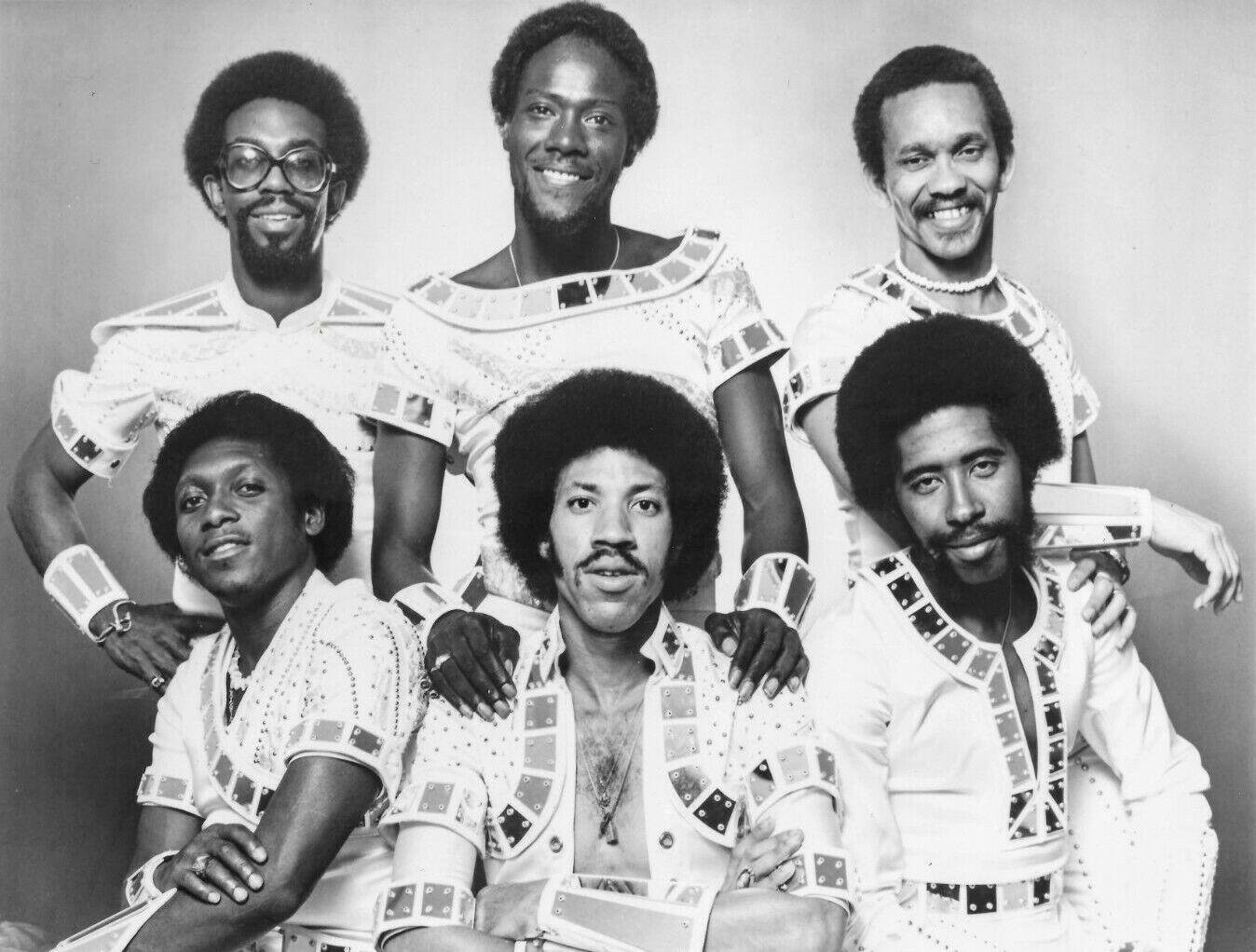
Commodores: Easy — The Ballad That Turned a Funk Band Into Storytellers
A funk band with a softer side The Commodores began as a funk band, and a very good one. Formed at Tuskegee Institute in Alabama in the late 1960s by a group of students who shared a love of James Brown, Motown, and Southern soul, they built their reputation on tight horns, danceable grooves, and…
-
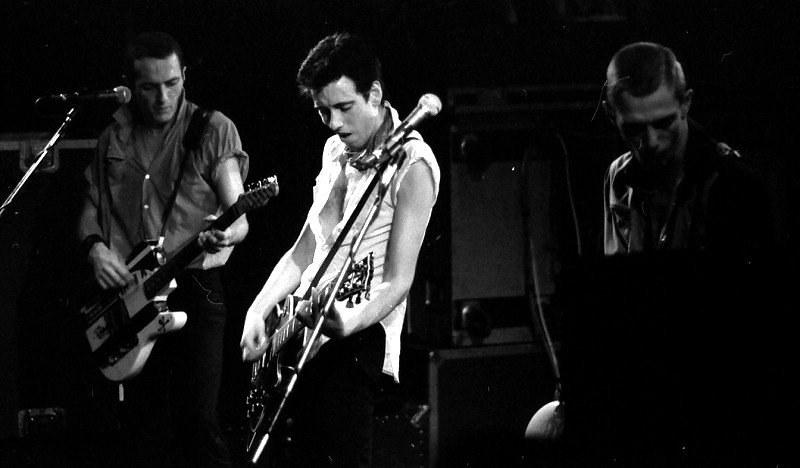
The Clash: London Calling — The Double Album That Turned Punk Into a World of Music
A band at a crossroads By the middle of 1979, The Clash were the most important punk band in Britain, and they knew it, which was part of the problem. Their first two albums had made them famous, but punk itself was already changing. The first wave of three-chord fury was giving way to post-punk,…
-
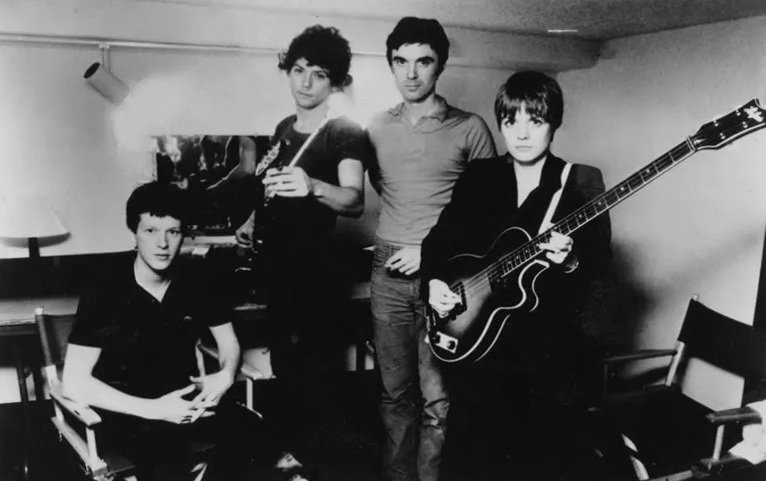
Talking Heads and ‘Stop Making Sense’: The Concert Film That Built Itself, Song by Song
A man, a tape player, and an empty stage The greatest concert film ever made begins with almost nothing. A man walks onto an empty stage, carrying an acoustic guitar and a tape player. He puts the tape player down, presses play, and begins to sing, alone, to a drum-machine beat. There is no band,…
-
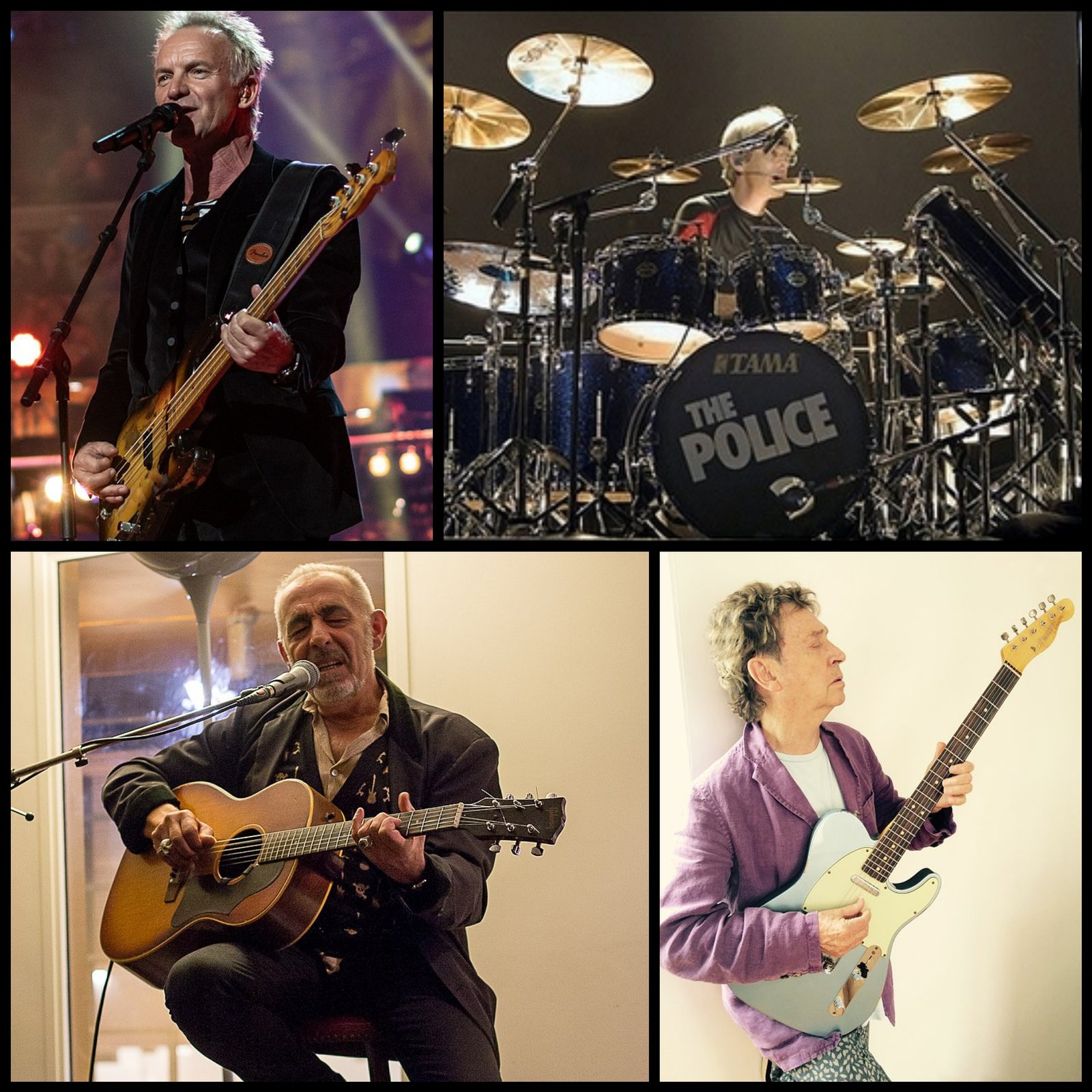
The Police and the ‘Synchronicity’ Tour: The Biggest Band in the World, Breaking Up on Stage
Three musicians, one enormous tour, and a band coming apart In the summer of 1983, The Police were the biggest band in the world. Their fifth album had just been released, its lead single was on its way to becoming the biggest hit of the year, and they were about to embark on a world…
-
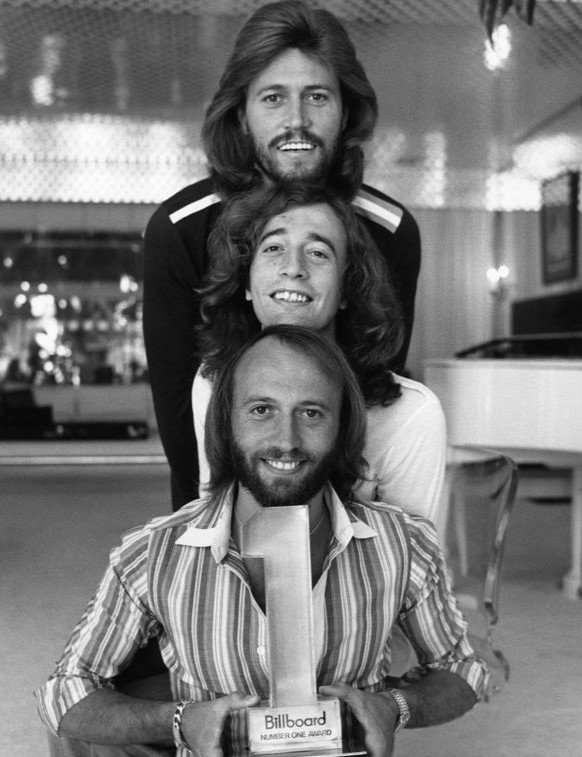
The Bee Gees and ‘Saturday Night Fever’: The Soundtrack That Made Disco, Then Had to Survive It
A film, a soundtrack, and a cultural explosion In late 1977, a film about a young man from Brooklyn who escapes his dead-end job by dancing on Saturday nights became a cultural phenomenon, and its soundtrack became one of the best-selling albums in history. The Bee Gees, three brothers who had already had a long…
-

Anita Baker and ‘Rapture’: The Detroit Singer Who Refused to Hurry
A voice that asked listeners to slow down In the mid-1980s, pop radio was loud, fast, and increasingly built for music videos. Anita Baker made a record that did the opposite. It was slow, warm, and intimate, with a voice that sounded like it was singing to one person in a quiet room rather than…
-
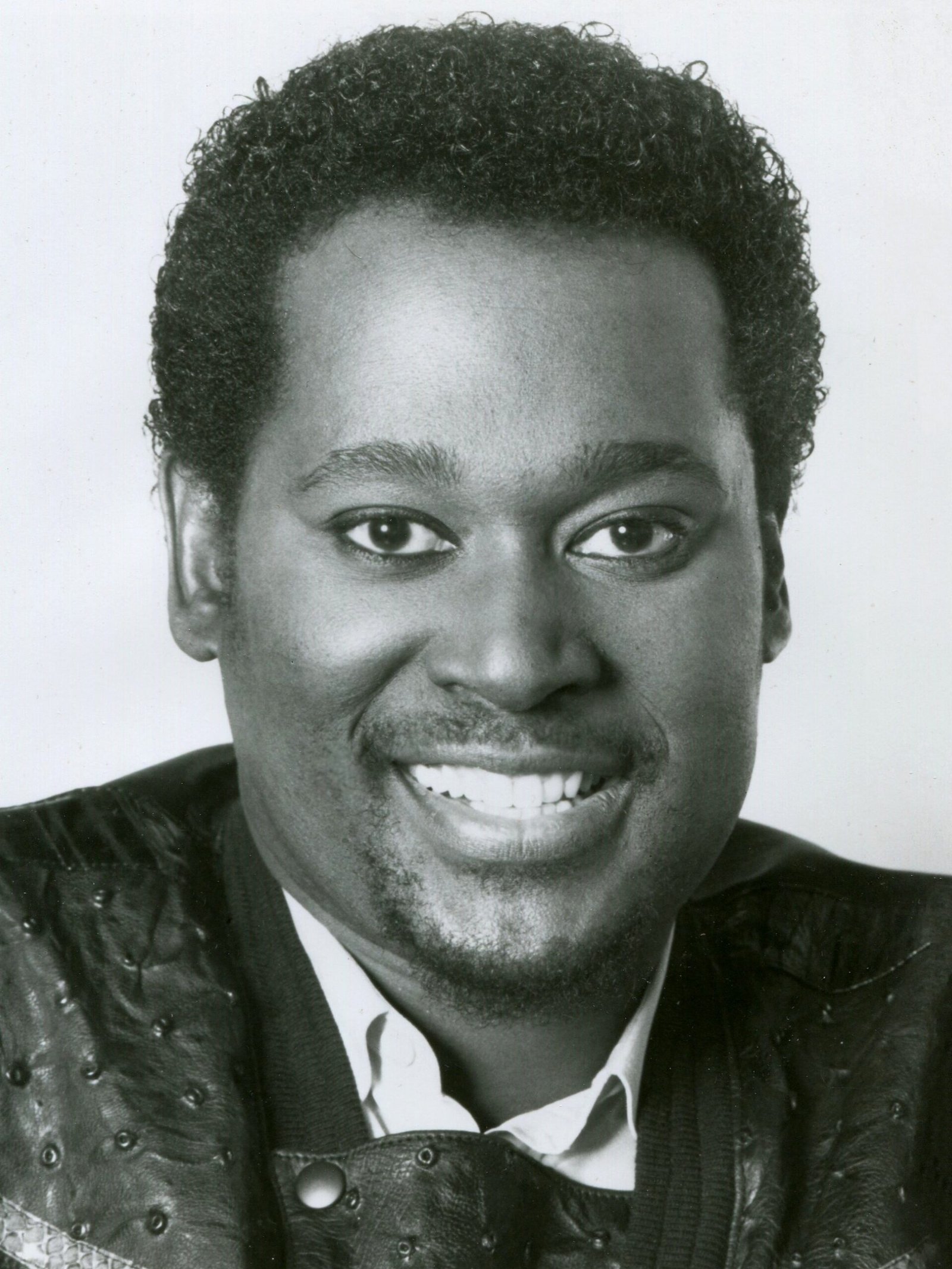
Luther Vandross Before the Spotlight: The Background Singer Who Learned Everything in Other People’s Songs
The voice you had already heard Long before Luther Vandross became a solo star, most listeners had already heard him, without knowing his name. He was the voice in the background, the singer who made other people’s choruses sound fuller, richer, and more professional. He sang behind rock stars and pop stars, behind disco groups…
-

Dionne Warwick and ‘Walk On By’: The Voice That Made Bacharach and David Unmistakable
A voice that did not need to raise itself Some songs announce heartbreak. “Walk On By” does almost the opposite. It asks for distance, it asks for quiet, and it asks, above all, not to be looked at too closely. That restraint is why the record has lasted. Dionne Warwick does not plead, she does…