-
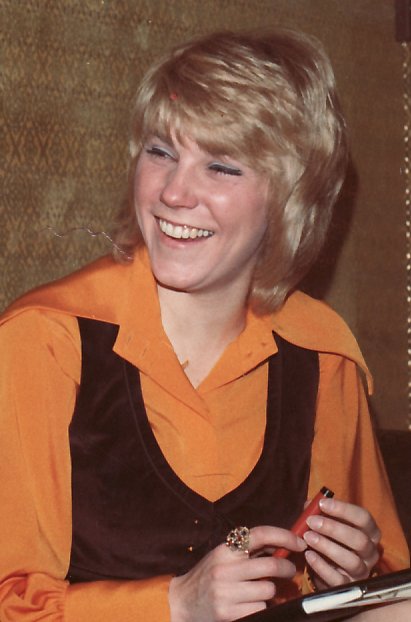
“Snowbird”: How a Twenty-Minute Song Made Anne Murray Canada’s First Lady of Song
Some songs are built. “Snowbird” was barely even written — it fell out of the sky. In the winter of 1969, a soft-spoken Maritime songwriter named Gene MacLellan watched a flock of snow buntings scatter across a beach on Prince Edward Island, went home, and scribbled out a melody in about twenty minutes. It was…
-
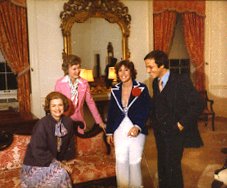
Helen Reddy: The Heart Behind the Hits — A Showbiz Family, Three Marriages, and the Daughter Who Sang
Helen Reddy was born into show business the way other people are born into religion: it wasn’t a choice, it was the air. Her parents were vaudeville performers. Her half-sister was a star before Helen was a teenager. Her children grew up backstage. And her marriages — three of them — traced the full arc…
-

How Helen Reddy Turned “Angie Baby” Into the Strangest No. 1 of 1974
Helen Reddy had already conquered the world by the autumn of 1974. “I Am Woman” had become a feminist anthem. “Delta Dawn” and “Leave Me Alone (Ruby Red Dress)” had both hit number one. She was, by any measure, the biggest female singer in America. She didn’t need a weird song about a disturbed girl…
-

Olivia Newton-John: The Heart Behind the Hits — Chloe, Love, and the Long Way Home
For all the rhinestones and headbands, the Grammys and the gold records, the people who loved Olivia Newton-John will tell you her greatest production wasn’t a song or a film. It was a family — imperfect, hard-won, and held together by a woman who had learned, through heartbreak after heartbreak, what actually mattered. She was…
-
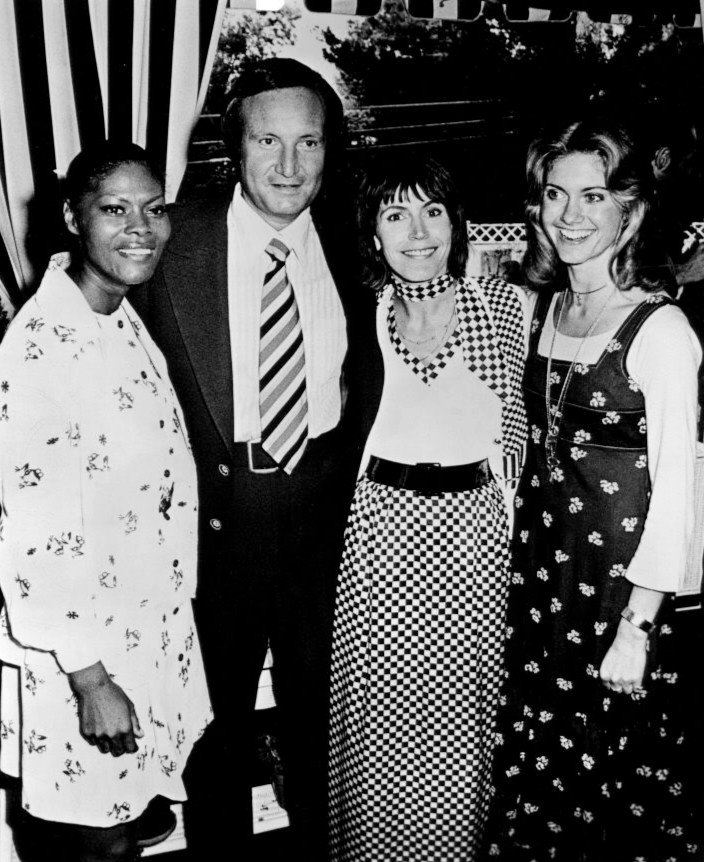
How Olivia Newton-John Turned “I Honestly Love You” Into Her First American No. 1
In early 1974, Olivia Newton-John was a star everywhere except where it mattered most. She’d had hits in Britain and Australia. She’d won a Grammy for “Let Me Be There.” But the American pop chart — the big one, the Billboard Hot 100 — had never carried her name at the very top. She was…
-

Don McLean: The Troubadour of Camden — Family, Fracture, and the Quiet Life in Maine
For a man who wrote one of the most famous songs in history about the day the music died, Don McLean has always been obsessed with the places where music lives on: small towns, front porches, quiet rooms. It’s no accident that he ended up in Camden, Maine — a postcard of a coastal town,…
-
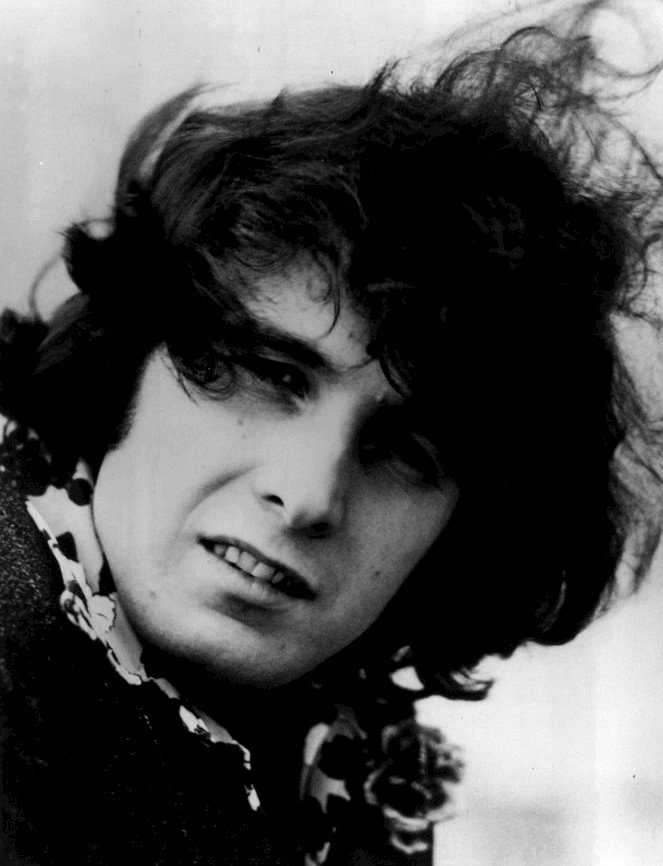
How Don McLean’s “Crying” Became the Comeback Nobody Saw Coming
In 1978, Don McLean was a has-been. That’s not cruelty — it’s arithmetic. Seven years after “American Pie” had made him the most famous folk singer in America, he couldn’t buy a hit. His record label had dropped him. His albums weren’t charting. The man who’d written the longest number-one single in history was playing…
-
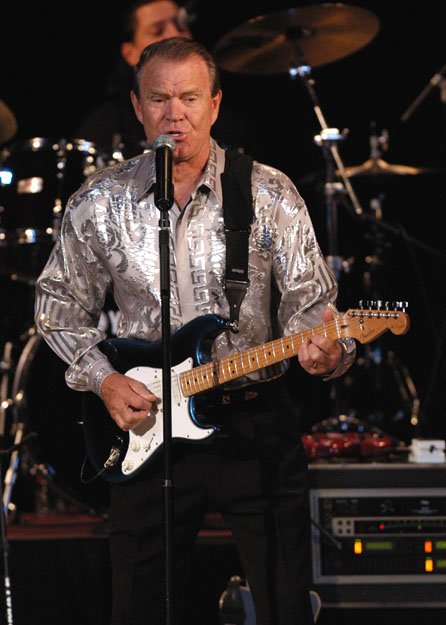
Glen Campbell: The Love That Saved Him — Kim, Faith, and Family
Ask people what they remember about Glen Campbell and they’ll tell you about the voice, the guitar, the rhinestones. But ask the people who knew him best — his children, his bandmates, the woman who stood beside him for thirty-five years — and they’ll tell you about something else: the rescue. Because twice in his…
-
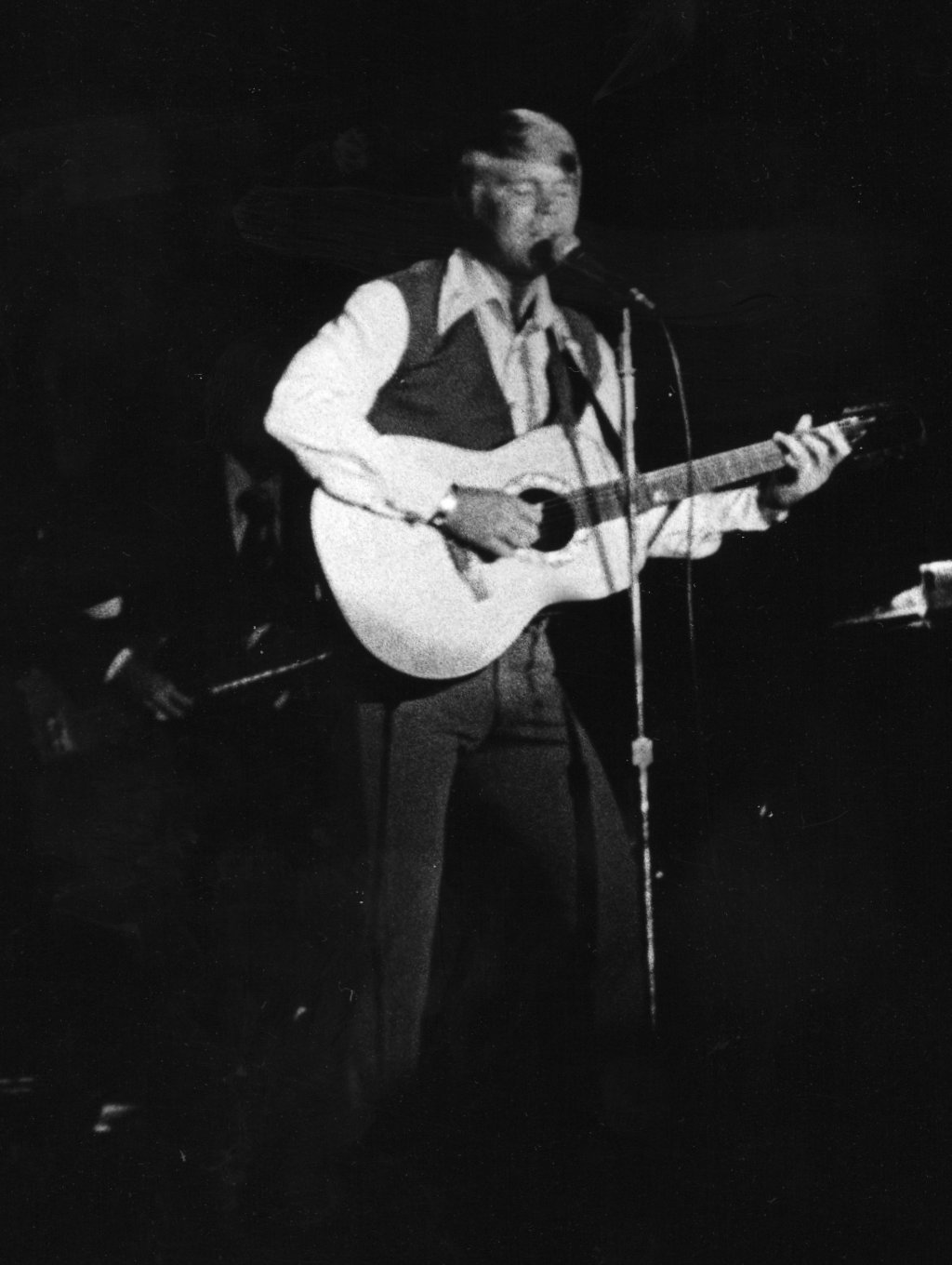
How Glen Campbell Turned “Rhinestone Cowboy” Into the Comeback of the Decade
By the end of 1974, Glen Campbell was yesterday’s news, and he knew it. The television show was gone. The movie offers had dried up. He hadn’t had a hit single in years — not since “Manhattan, Kansas” in 1972, and even that had barely dented the charts. The boy from Billstown, Arkansas, who had…
-

Richard Carpenter: The Man Who Kept the Music Playing
On October 12, 1983 — eight months after his sister’s death — Richard Carpenter stood on Hollywood Boulevard and looked down at a terrazzo star bearing two names: his and Karen’s. A crowd had gathered. His parents stood beside him. He took the microphone and said the words he had been carrying for months. “This…