-
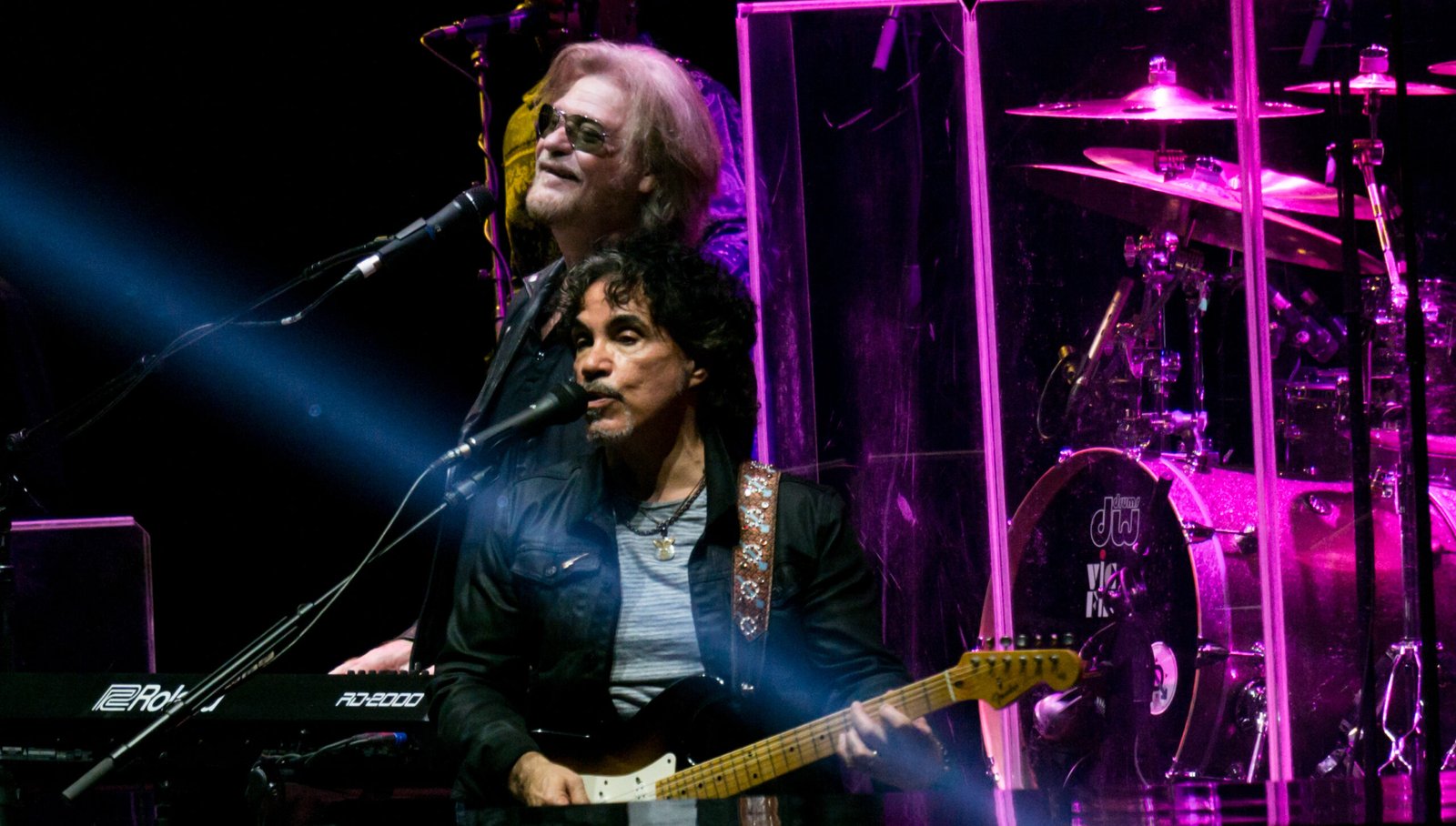
How Hall & Oates Made ‘Sara Smile’: The Postcard That Saved a Career
In the summer of 1975, Daryl Hall and John Oates were a duo running out of chances. They had met as students at Temple University in 1967 — by their telling, sheltering in a service elevator while a fight broke out at a Philadelphia dance — and they had been chasing a sound ever since.…
-

How Eric Clapton Made ‘Wonderful Tonight’: The Song He Wrote While Waiting for Pattie Boyd to Get Ready
Most love songs are written in the grip of grand passion. Wonderful Tonight was written by a man sitting downstairs with his guitar, already dressed, waiting for the woman he loved to finish getting ready. On the evening of 7 September 1976, Eric Clapton sat in the London home he shared with Pattie Boyd, picked…
-

How Gordon Lightfoot Made ‘Canadian Railroad Trilogy’: The Three-Day Commission That Became Canada’s Folk Anthem
Most commissioned songs die with the occasion they were written for. The Canadian Railroad Trilogy was written for the most official occasion imaginable — a television special launching Canada’s centennial year — and it has outlived the centennial, the broadcaster’s expectations, and very nearly the century itself. In six minutes, Gordon Lightfoot compressed the building…
-
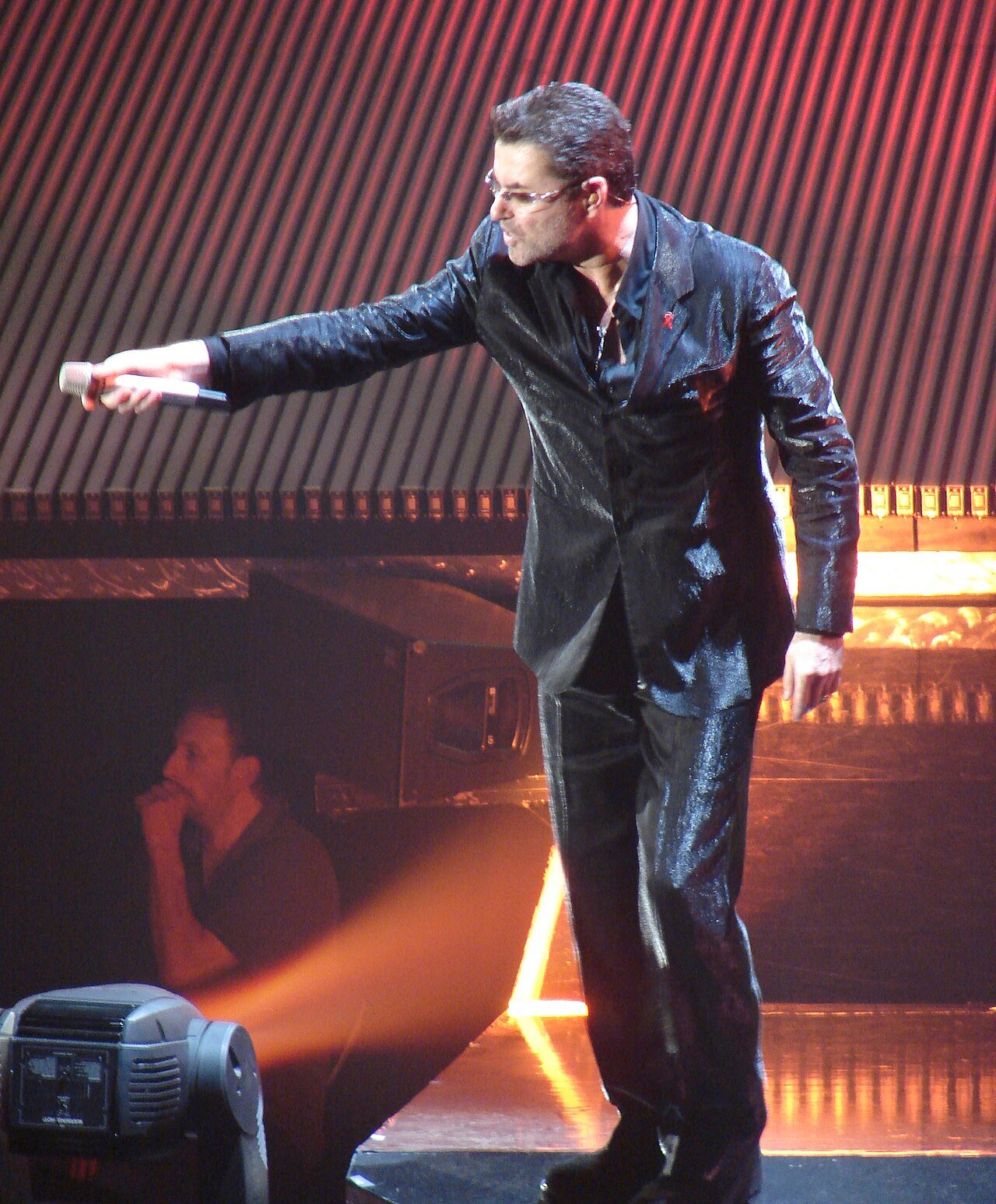
How George Michael Made ‘Father Figure’: The Happy Accident That Turned a Dance Track Into a Dream
Some of the most famous recordings in pop were planned to the last detail. Father Figure was not one of them. The song that became George Michael’s hymn to longing, guilt and devotion — the track many fans still call the most sensual thing he ever made — began life as an ordinary mid-tempo dance…
-
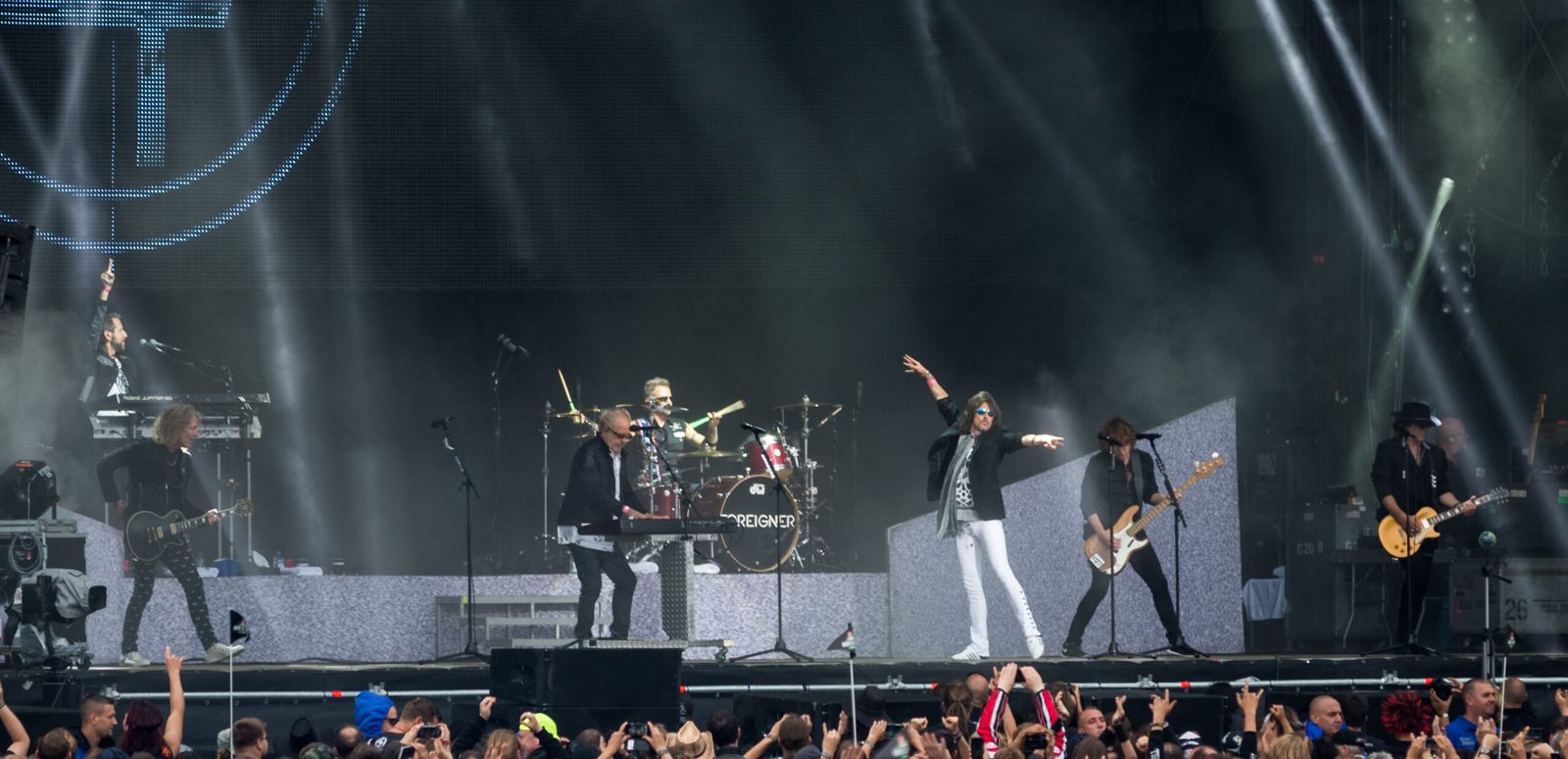
How Foreigner Made ‘Cold as Ice’: Written in One Night, in the Middle of a Blizzard
Some songs are laboured over for months. Cold as Ice was written because another song failed. In late 1976, Foreigner were deep into recording their debut album in New York when producer Gary Lyons delivered his verdict on one of the tracks planned for the record: it simply did not fit. The band — a…
-

How ZZ Top Made ‘La Grange’: The Boogie That Outlived the Brothel
It opens with a mutter and a laugh — “a-how-how-how” — and then one of the most imitated guitar grooves in rock locks in and does not let go for four minutes. La Grange was ZZ Top’s first hit, the record that took a Houston bar band national, and a song with a distinction no…
-

How Etta James Made ‘I’d Rather Go Blind’: The Prison Visit, the Muscle Shoals Session and the B-Side That Outlived the Hit
Most singers have a signature song they chose. Etta James had two — and the second one chose her, sideways. I’d Rather Go Blind was not a single. It was not the title of anything, and it was not the song Chess Records was promoting in the autumn of 1967. It was the flip side…
-
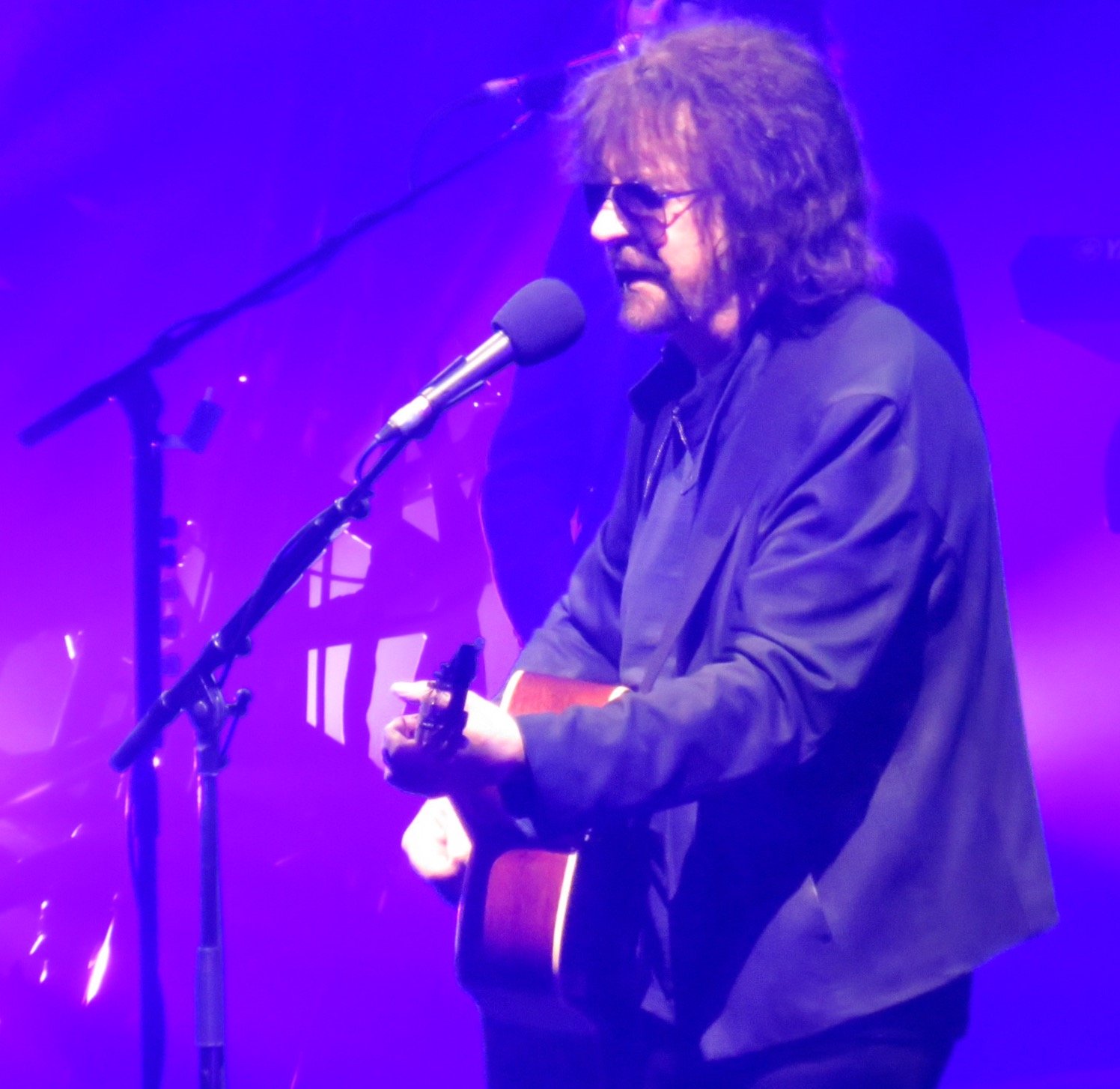
How Electric Light Orchestra Made ‘Don’t Bring Me Down’: The Last-Minute, String-Free Song That Became Their Biggest American Hit
It is the biggest American hit Electric Light Orchestra ever had, and almost everything about it breaks the band’s own rules. Don’t Bring Me Down was written at the last minute, in the studio, by a man who usually arrived with every note finished. It was the first ELO song with no string section at…
-

How Willie Nelson Made ‘Always on My Mind’: The Apology Elvis Left on a B-Side
It began as a phone call home from a man who had stayed away too long. It was written in about ten minutes, carried around unfinished for a year, completed by committee because a producer refused to record it without a bridge, and then handed to Elvis Presley — who cut it beautifully, weeks after…
-
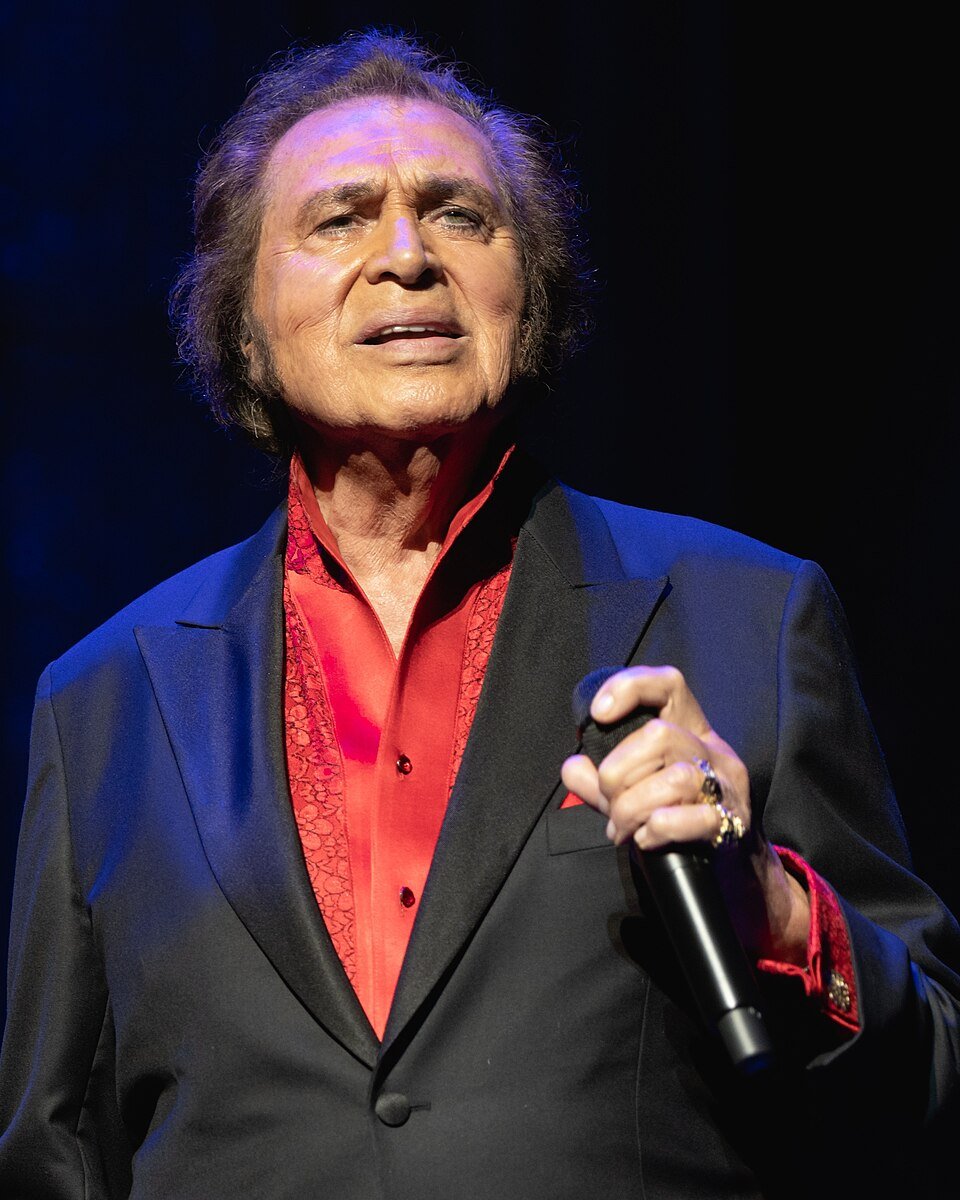
How Engelbert Humperdinck Made ‘The Last Waltz’: The Rainy-Day Song That Kept the King of Romance at Number One
By the autumn of 1967, Engelbert Humperdinck had already performed the most famous giant-killing in British chart history. His Release Me, the record that made him, had spent six weeks at No. 1 in the spring and kept the Beatles’ Penny Lane / Strawberry Fields Forever from the top — a double A-side by the…