-

The Grapevine Wars: How Gladys Knight Beat Marvin Gaye to His Own Song
It is one of the strangest stories in Motown history: the label’s biggest hit of the sixties was recorded three times, rejected twice, and released by the act its own boss believed in least. “I Heard It Through the Grapevine” was cut first by Smokey Robinson and the Miracles, then by Marvin Gaye — and…
-

Beyond the Blue-Eyed Soul: Daryl Hall’s Old Houses, John Oates’ Mountain Life, and the Men Behind the Music
For fifty years, the world has known them as a unit: Hall & Oates, the mustache and the cheekbones, the smoothest duo in rock history. But Daryl Hall and John Oates have always been two very different men who happened to harmonize. One restores eighteenth-century houses with the obsession of a museum curator. The other…
-
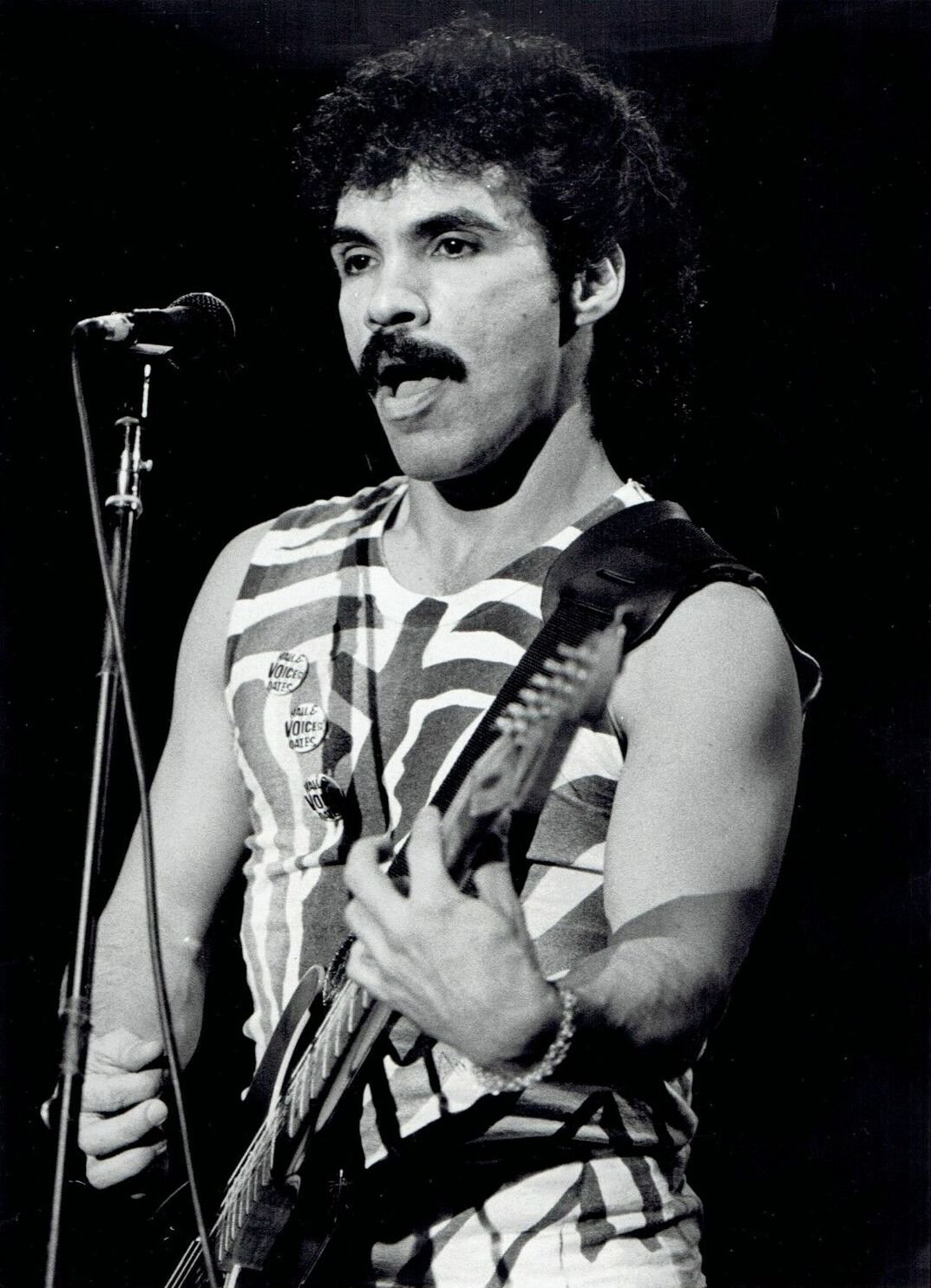
How Hall & Oates Found Their Soul: The Story Behind “Abandoned Luncheonette”
In November 1973, two broke kids from Philadelphia walked into Atlantic Studios in New York with a legendary producer, a roomful of the best session musicians in America, and exactly one thing to prove: that they belonged. Their debut album had flopped. Their label was losing patience. What they made over the following weeks —…
-
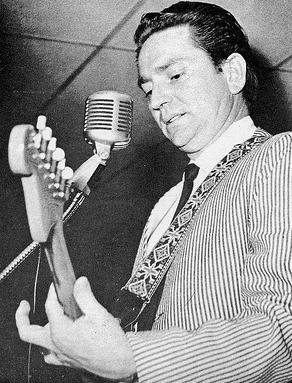
Willie Nelson: Horses, Heartbreak and the Family That Held Him Up
The braids, the bandana, the battered guitar named Trigger — Willie Nelson’s image is one of the most recognizable in American music. But behind the outlaw mythology is a man who has endured losses that would have broken most people: a son gone too soon, a sister who was his musical soulmate, marriages that didn’t…
-
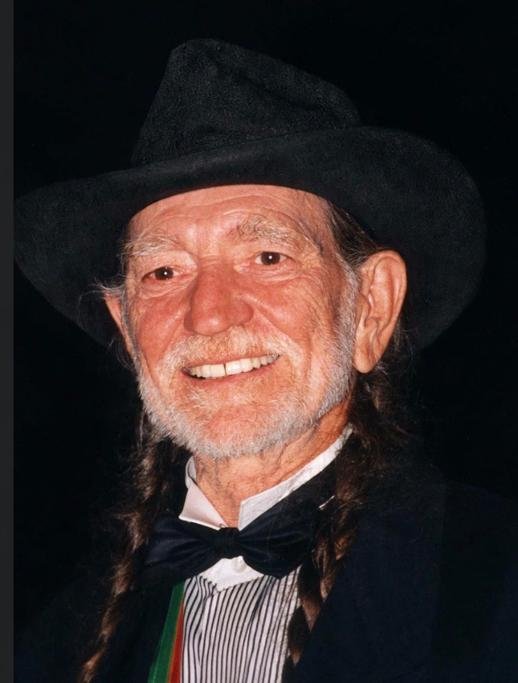
Willie Nelson’s “Stardust”: The Album the Label Tried to Bury
In December 1977, Willie Nelson walked into a mobile recording studio parked outside a house in the Hollywood Hills and committed commercial suicide — at least, that’s what his record label thought. He was going to record an album of ancient pop standards: Hoagy Carmichael, Irving Berlin, George Gershwin. No originals. No outlaw posturing. Just…
-

The Commodores and Lionel Richie: The Family, the Faith and the Fame
Behind the funk, the ballads and the stadium singalongs, the Commodores were always something rarer than a band: a brotherhood. They grew up together at Tuskegee Institute, named themselves from a dictionary, and stayed family through fame, departures, grief and comebacks. And at the center of it all stood Lionel Richie — the small-town boy…
-
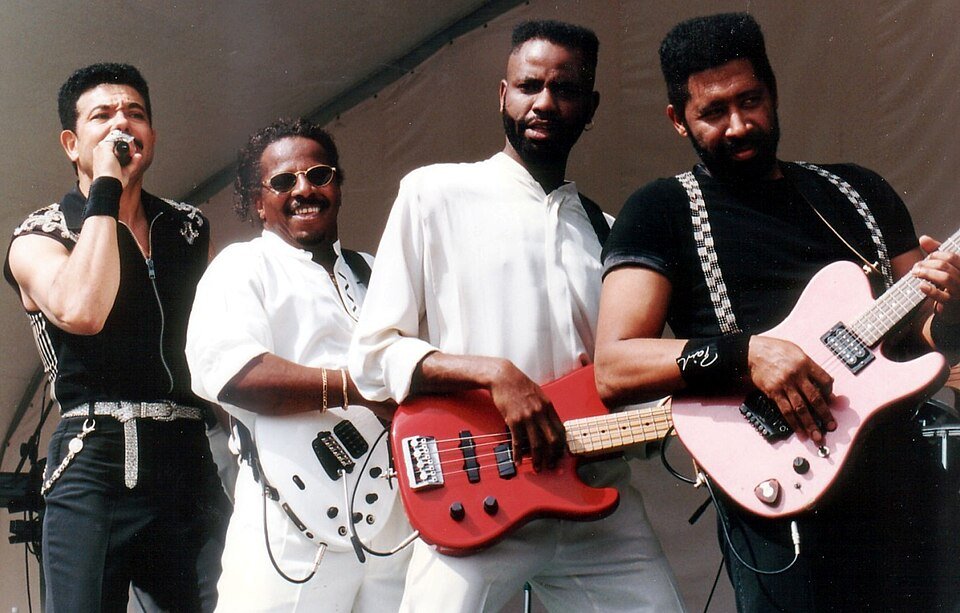
How the Commodores Turned Grief into “Nightshift”
In the spring of 1984, the music world lost two of its giants within days of each other — and a struggling funk band from Tuskegee, Alabama found itself with an impossible task: saying goodbye in song. The result was “Nightshift”, a tribute so tender and so true that it became the biggest hit of…
-

Walter Becker and Donald Fagen: The Private Lives of Rock’s Most Secretive Duo
They were the most enigmatic partnership in rock: two sardonic New Yorkers who wrote the smoothest music of the seventies while cultivating an image of total mystery. Walter Becker and Donald Fagen gave few interviews, revealed less, and let the songs do the talking. But behind the shades and the smirks were two deeply private…
-

Steely Dan’s “Katy Lied”: The Masterpiece Its Makers Could Never Listen To Again
It is one of the cruelest ironies in rock history. In 1975, Walter Becker and Donald Fagen set out to make the best-sounding record anyone had ever heard — and ended up with an album so sonically wounded that they could never bear to listen to it again. “Katy Lied” contains some of the finest…
-

Joe Strummer: The Wandering Heart Behind the Clash
He was the voice of a generation’s anger — the man who snarled through “White Riot” and “London Calling” like the world was on fire. But behind Joe Strummer’s onstage fury was a private man haunted by loss, driven into exile, and sustained by an extraordinary capacity for friendship. This is the story of the…