-
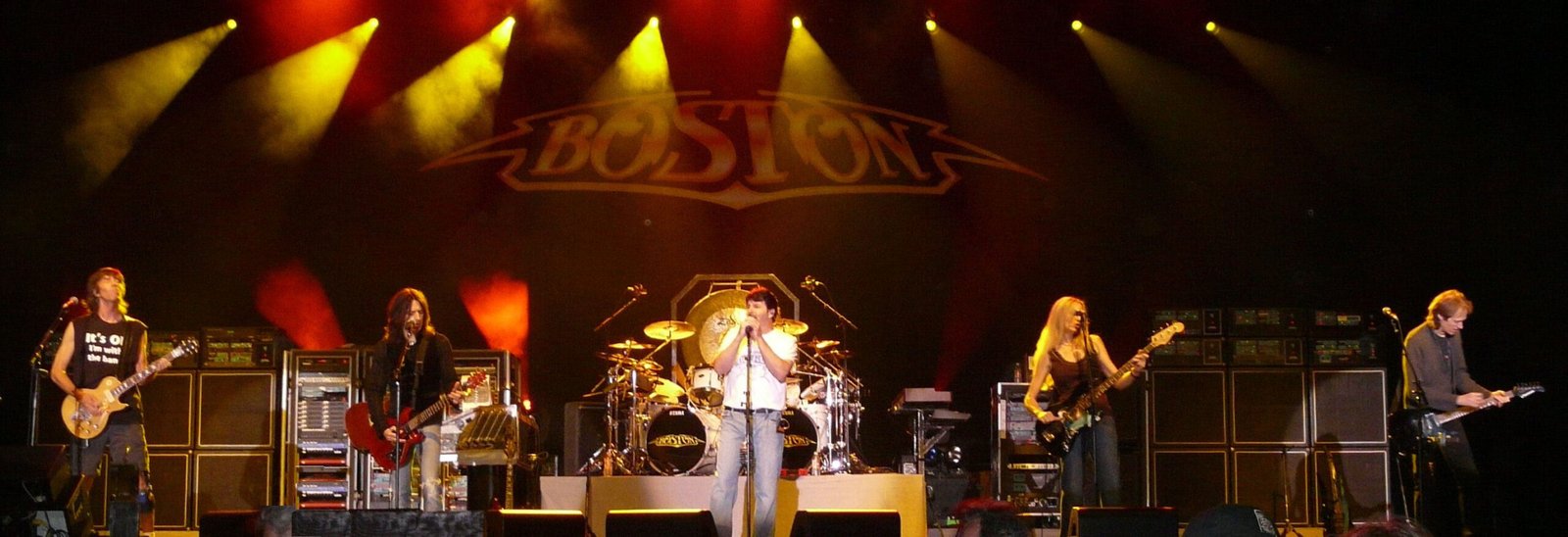
How Boston Made ‘Don’t Look Back’: The Last Song Finished, the First One the World Heard
Every band dreads the second album, but Boston’s dread was industrial in scale. Their 1976 debut had become one of the best-selling first albums in history, and Epic Records wanted the follow-up fast — while the band’s leader, Tom Scholz, was constitutionally incapable of doing anything fast. The song that resolved the stand-off was the…
-

How Boz Scaggs Made ‘We’re All Alone’: The B-Side Ballad That Became a Standard
It is the quietest kind of success story in pop: a songwriter places his most tender ballad at the very end of his breakthrough album, never releases it as a single in his own country, and watches it become a standard anyway — carried there by other voices. We’re All Alone, the closing track of…
-

How Bonnie Tyler Made ‘It’s a Heartache’: The Husky Voice Nobody Planned
Most singers spend their careers protecting their voices. Bonnie Tyler’s career was created by damaging hers. In 1977 the young Welsh singer went into hospital with nodules on her vocal cords and came out, after surgery and a recovery she cheerfully failed to take seriously, with a rasp that no producer could have designed and…
-
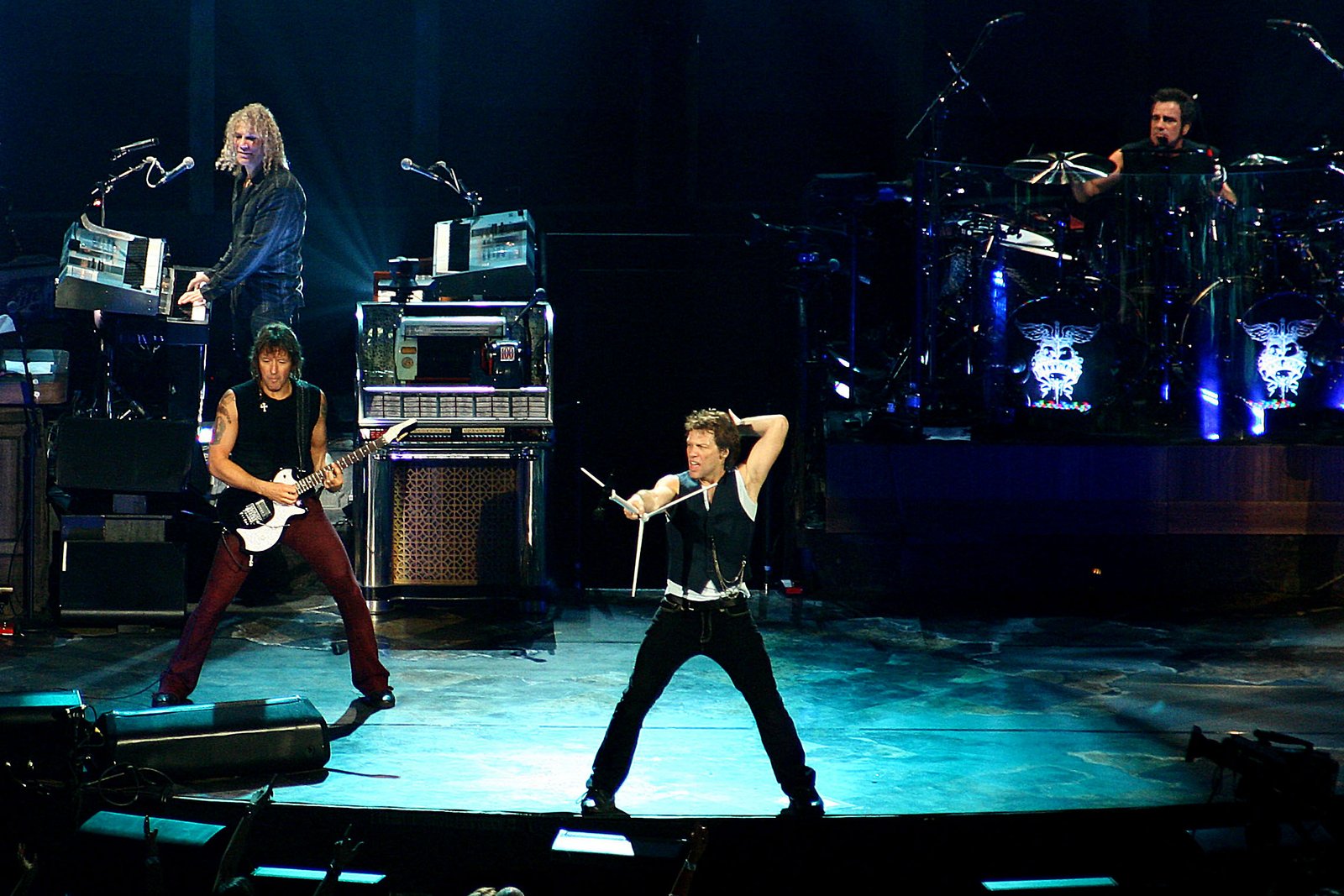
How Bon Jovi Made ‘You Give Love a Bad Name’: The Bonnie Tyler Chorus That Became Their First Number One
In the summer of 1986, Bon Jovi were the hardest-working support band in America: two albums into their career, respected on the road and still waiting for a hit of their own. Their first number one, when it arrived that November, was not really new at all. Its chorus had already been recorded — by…
-

How Bobby Darin Made ‘Splish Splash’: The Twelve-Minute Bet That Saved His Career
Some hit records are planned for months. Splish Splash was a bet, settled at a piano in what Darin liked to say was about twelve minutes. In the spring of 1958 Bobby Darin was twenty-one and running out of chances. He had already been signed and dropped once, and his new label was losing patience.…
-

How Blondie Made ‘Atomic’: The Spaghetti-Western Disco Song That Was “Lying There Like a Lox”
Some hit songs are written to order. Atomic was written to a challenge: could Blondie do the trick of Heart of Glass — the disco record made by a punk band that had topped the charts on both sides of the Atlantic in early 1979 — a second time? Keyboard player Jimmy Destri set out…
-

How Bob Seger Made ‘Old Time Rock and Roll’: The Demo He Rewrote, Never Signed, and Nearly Left Off the Album
Just before midnight in a Sheffield, Alabama studio, the most famous Bob Seger record of all was already finished — and Bob Seger was not singing on it. Old Time Rock and Roll began as somebody else’s demo, sung by one of its own writers during downtime at Muscle Shoals Sound Studio. Seger heard it…
-
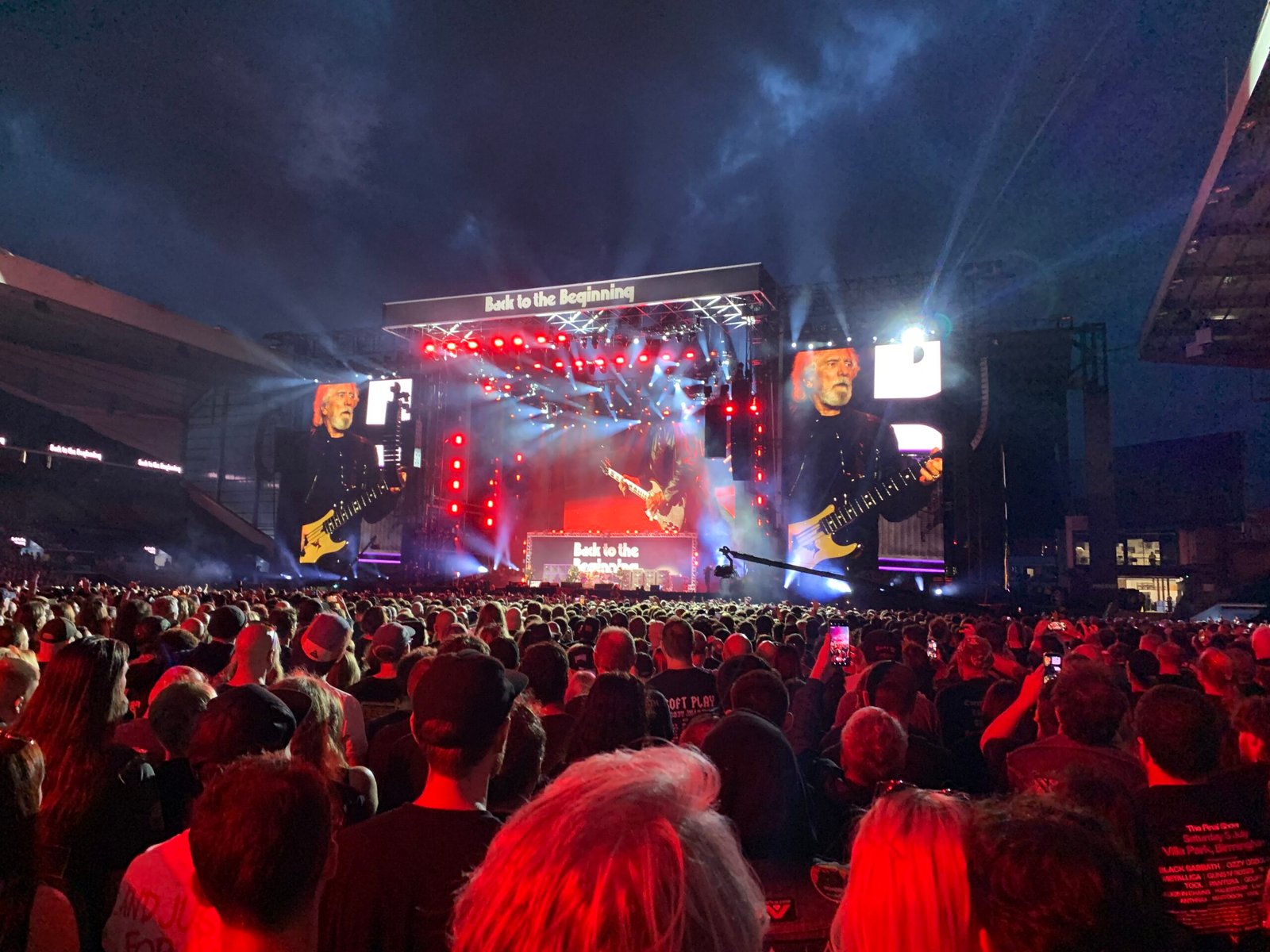
How Black Sabbath Made ‘Changes’: The Piano Ballad Written for a Drummer’s Broken Marriage
The strangest sound on Black Sabbath’s fourth album is not a riff. It is a piano, played slowly and simply, with no electric guitar and no drums anywhere near it. Changes, the third track on Vol. 4, released in September 1972, is a plain, grieving ballad sung by Ozzy Osbourne in the most exposed voice…
-

How Bob Dylan Made ‘Blowin’ in the Wind’: The Ten-Minute Song That Asked America Nine Questions
In April 1962, Bob Dylan was twenty years old, nearly broke, and by the cold arithmetic of the record business, a failure. His first album, released the month before, had sold so poorly that people inside Columbia Records had taken to calling him “Hammond’s folly,” after John Hammond, the legendary producer who had signed him.…
-

How Billy Ocean Made ‘Get Outta My Dreams, Get into My Car’: The Borrowed Line That Drove His Final Number One
Some hit songs arrive as confessions, and some arrive as commands. Get Outta My Dreams, Get into My Car is pure command — eight words of cheerful impatience that Billy Ocean delivers like a man who has waited long enough. Released in January 1988, it became the third and final American number one of his…