-
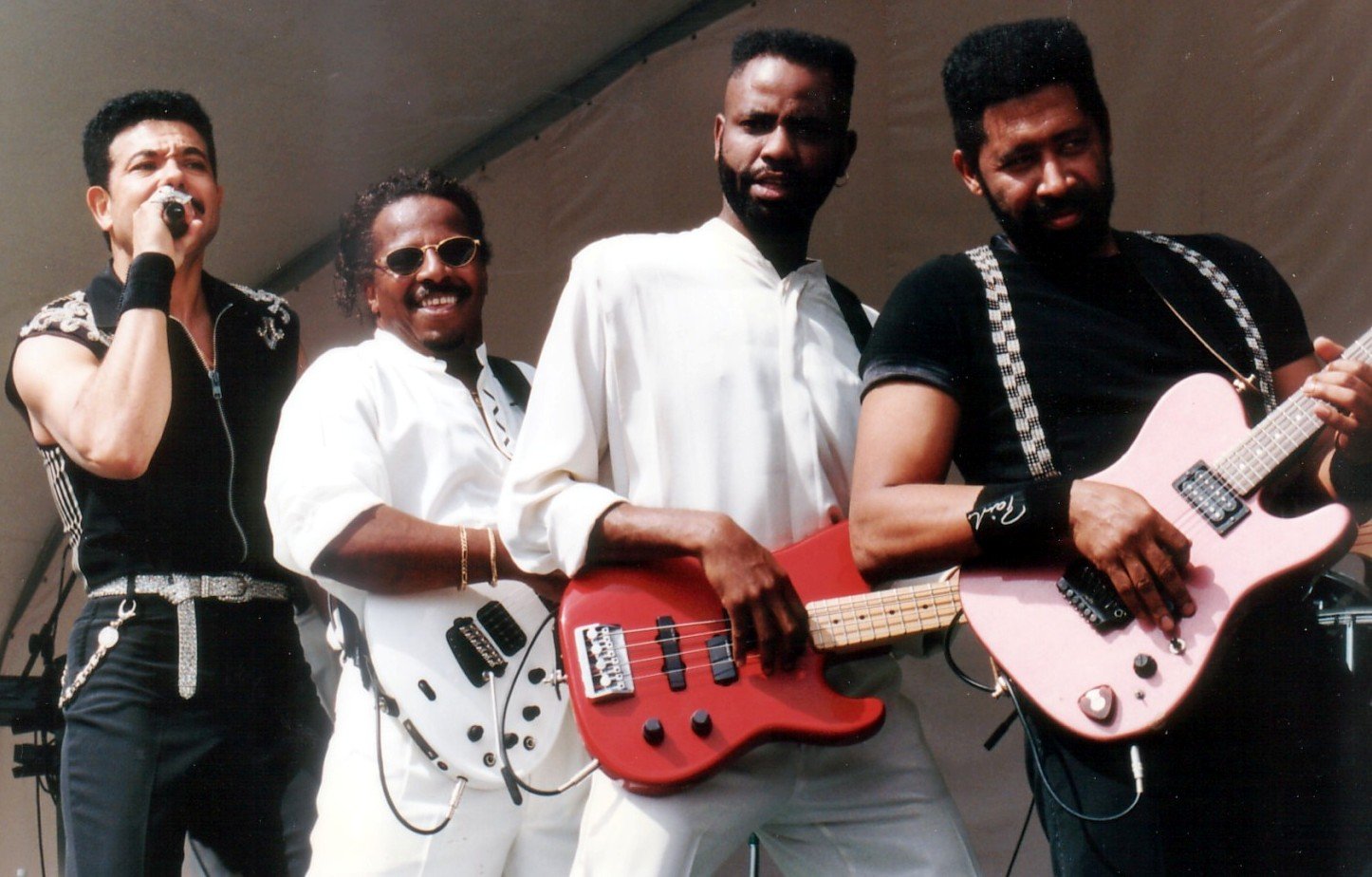
How Commodores Made ‘Still’: The Divorce That Saved a Friendship
Most great breakup songs are written by the broken. Still was written by the best friend. Lionel Richie’s closest friend since childhood was a Tuskegee neighbour named William Smith — “Smitty” — and in the late 1970s Smitty’s marriage came apart. Richie was not a bystander to that collapse so much as its all-night witness:…
-

How Christopher Cross Made ‘Think of Laura’: The Song He Wrote to Comfort a Grieving Friend
Every Christopher Cross hit has a story, but only one of them began with a telephone call nobody should ever have to receive. In April 1982, Cross was at the very summit of the business: little more than a year earlier he had swept the Grammys, winning the Big Four in a single night, and…
-

How Cher Made ‘If I Could Turn Back Time’: The Battleship Video That Shocked the Navy
Every great comeback has a song its singer nearly refused to sing. In 1989, Cher was rebuilding her recording career on Geffen Records after conquering Hollywood — an Academy Award for Moonstruck sat on her shelf, and her self-titled 1987 album had returned her to the charts. For the follow-up, Heart of Stone, the most…
-
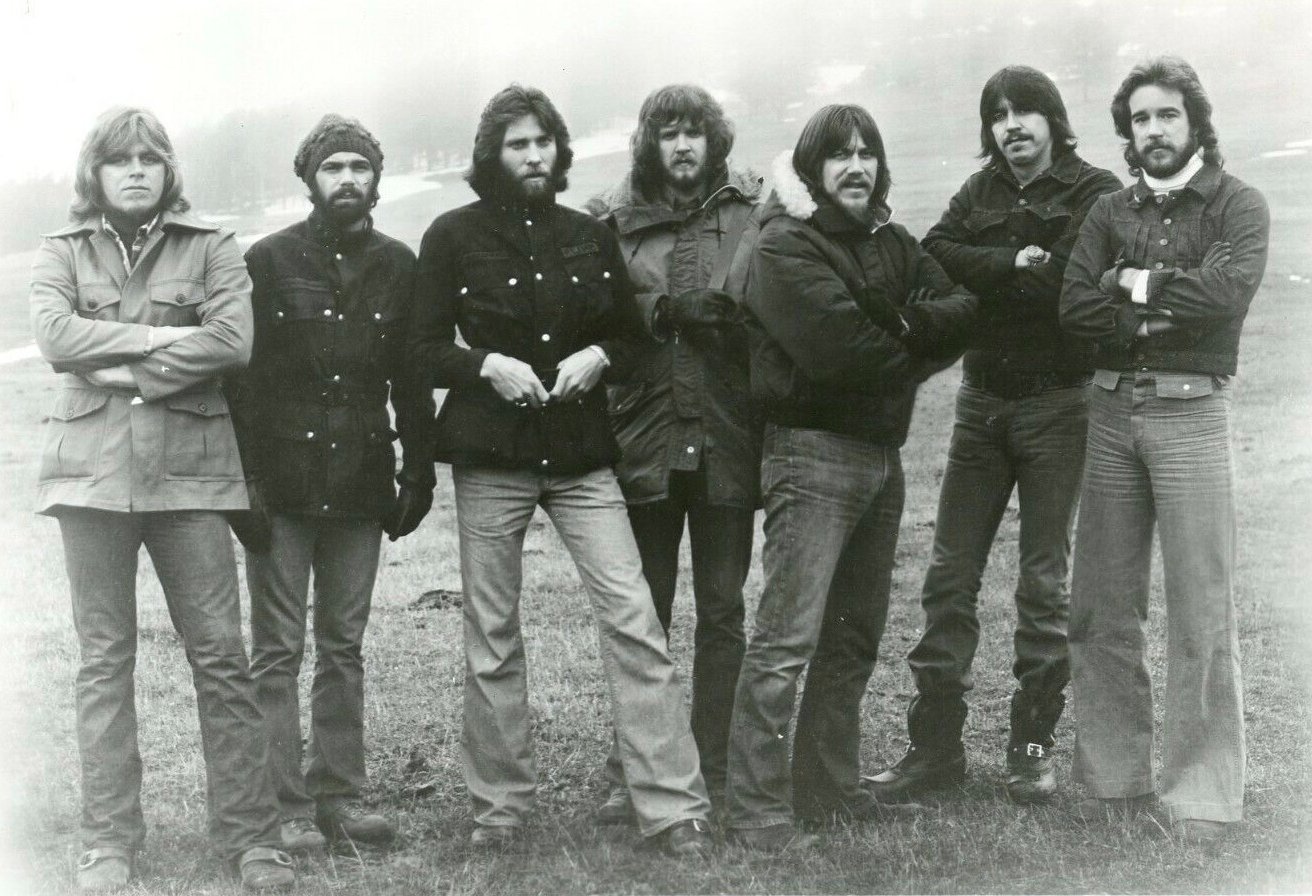
How Chicago Made ‘Just You ’n’ Me’: The Fight That Became a Wedding Announcement
Some love songs are written at a piano in a quiet room, with a pot of coffee and a rhyming dictionary. Just You ‘n’ Me was written in the smoking aftermath of a lovers’ quarrel so fierce that James Pankow’s fiancée had locked herself in the bathroom to get away from him. Pankow, Chicago’s trombonist…
-

How Chaka Khan Made ‘Ain’t Nobody’: The Synth Loop That Nearly Went to Michael Jackson
By 1983, Rufus and Chaka Khan were supposed to be winding down. The Chicago funk band and its volcanic young singer had ruled American R&B in the 1970s, but Khan’s solo career was pulling her away, and the group’s new release, Stompin’ at the Savoy, was a live double album — the kind of record…
-
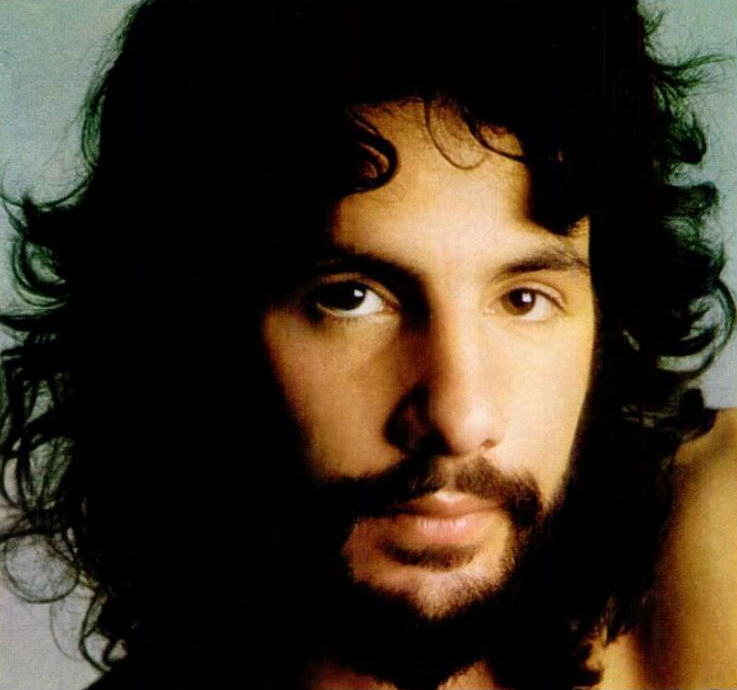
How Cat Stevens Made ‘Peace Train’: The Anthem He Wrote on a Train, Thinking of Hitchcock
In the autumn of 1971, Cat Stevens was the most introspective star in pop. Tea for the Tillerman had made him famous on both sides of the Atlantic, and its follow-up, Teaser and the Firecat, was about to confirm him as the folk troubadour of the age; together the two albums would eventually sell more…
-
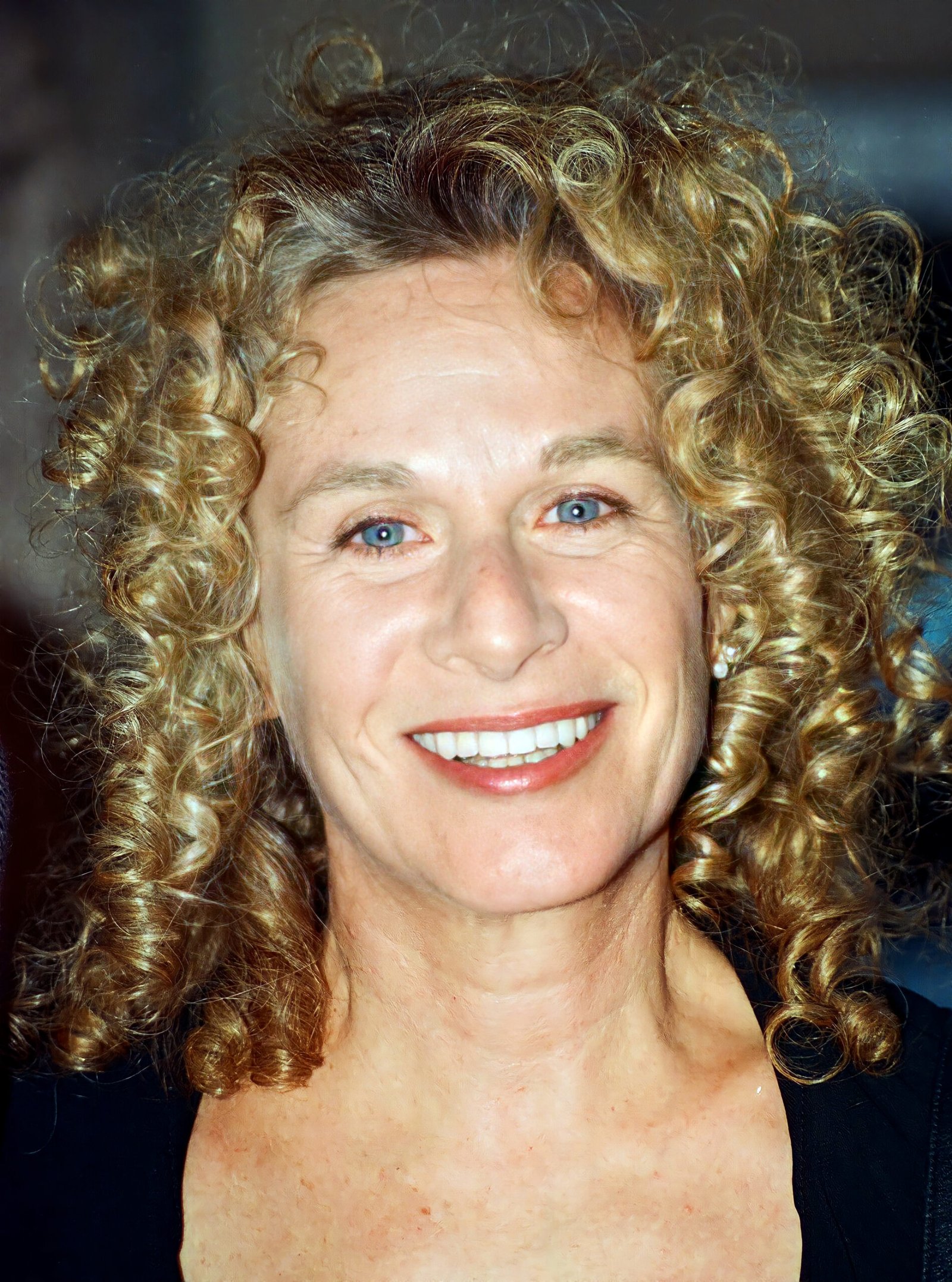
How Carole King Made ‘Jazzman’: The Saxophone Song That Put Her Back on Top
Most Carole King songs begin with her voice or her piano. Jazzman begins with a saxophone — and that is the whole point. Released as a single on August 22, 1974, ahead of her sixth album, Wrap Around Joy, the record is built as a duet between King and a horn: she sings a plea…
-
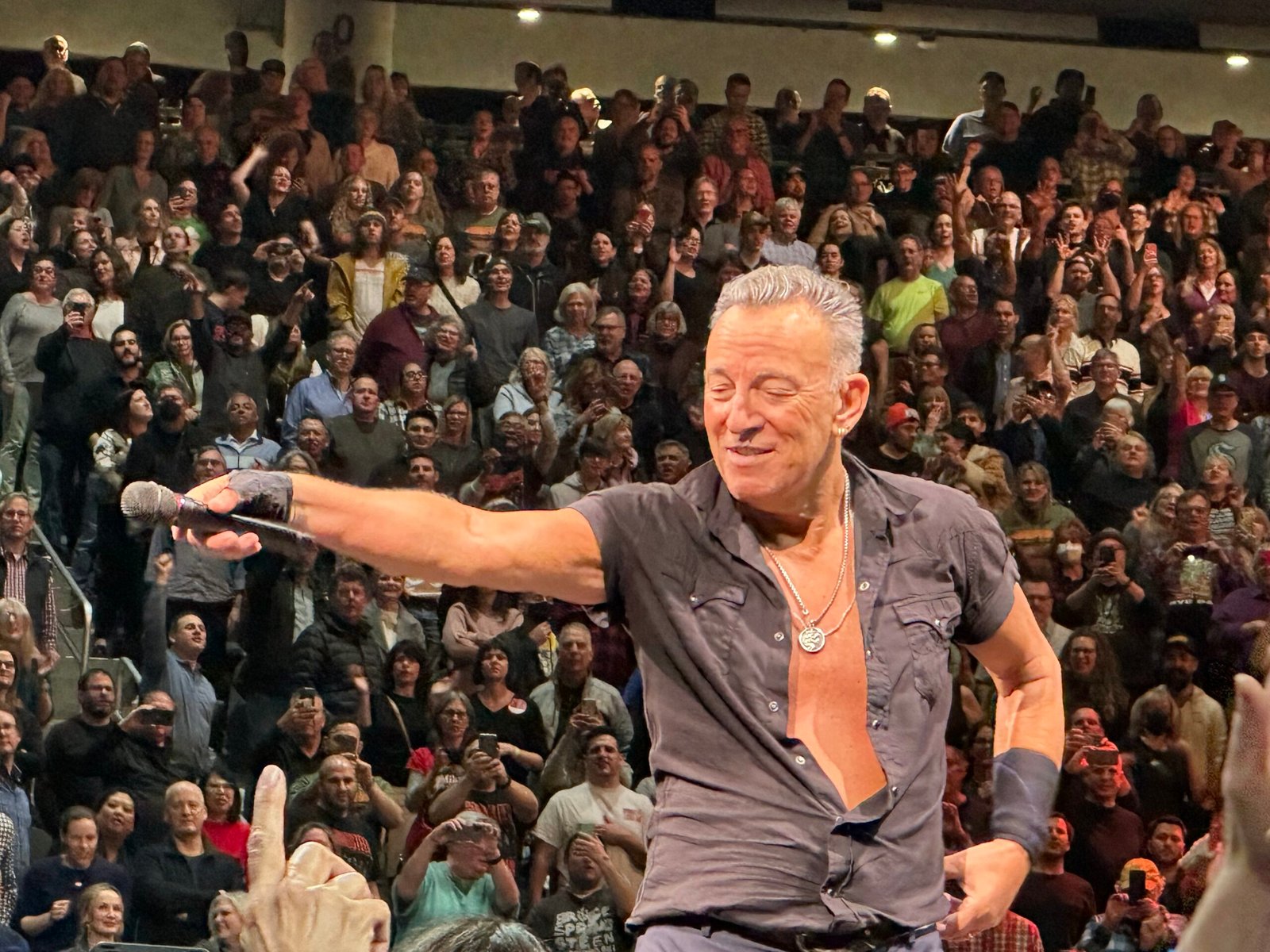
How Bruce Springsteen Made ‘Hungry Heart’: The Song He Almost Gave to the Ramones
It opens with a confession most hit singles would bury: a man with a wife and kids in Baltimore goes out for a ride and never comes back. Then the band kicks in, a piano starts bouncing, and Bruce Springsteen delivers the bleakest singalong of his career as if it were a summer postcard. Hungry…
-
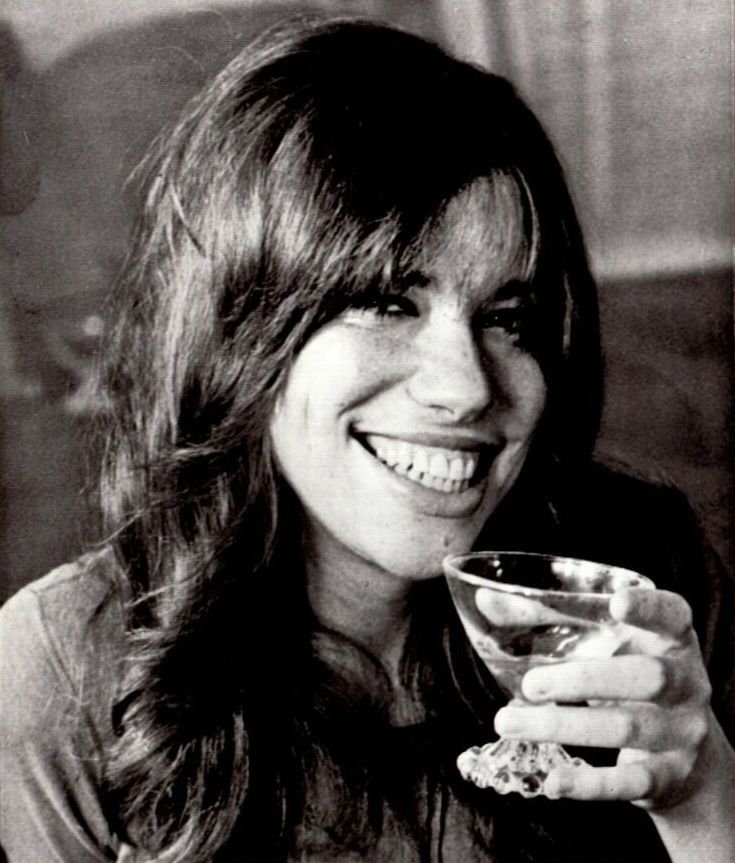
How Carly Simon Made ‘Anticipation’: The Hit She Wrote in Fifteen Minutes While Cat Stevens Kept Her Waiting
Some songs take years of rewrites. Anticipation took about as long as a pot of coffee. One evening in 1971, Carly Simon was pacing her small apartment on West 35th Street in New York, growing more nervous by the minute. Cat Stevens — the British singer-songwriter whose records she adored, and for whom she had…
-

How Brenda Lee Made ‘Sweet Nothin’s’: The Whisper That Gave a 14-Year-Old Her First Top 10 Hit
The record begins with a whisper. Before a single note is sung, a man’s voice murmurs something unintelligible into the microphone — sweet nothings, literally — and a teenage girl answers him with a delighted, grown-up purr: “Uh-huh, honey.” Then the band kicks in, the saxophone honks, and Brenda Lee launches into two minutes and…