-

How Eric Clapton Created “Blues Breakers”: The Story Behind the Beano Album
In the spring of 1966, a twenty-one-year-old guitarist walked into Decca Studios in West Hampstead carrying a sunburst Gibson Les Paul and a small amplifier he intended to turn up louder than anyone had dared before. Three months later, the record he made there would redraw the map of British rock guitar. It is still…
-

George Harrison: The Gardener, the Racer, and the Heart Behind the Quiet Beatle
They called him the quiet Beatle, and he spent the second half of his life proving the nickname was only half true. George Harrison was quiet the way a garden is quiet — full of life, if you knew where to look. Behind the reserve was a man of fierce devotions: to his wives and…
-

How George Harrison Created “All Things Must Pass”: The Triple Album That Set a Beatle Free
For most of the 1960s, George Harrison was the most talented songwriter in the world with nowhere to put his songs. The Beatles’ albums had room for two, maybe three Harrison compositions; the rest went into a drawer. By 1970 the drawer was overflowing, the band was finished, and the “quiet Beatle” had something to…
-

Jim Croce: The Heart Behind the Hits — Ingrid, A.J., and the Dream on Fifth and F
Jim Croce’s fame lasted eighteen months. His love story lasted longer — and in a way, it never ended. Behind the hit singles was a marriage that began at a hootenanny in 1963, survived poverty, a flop record, and a farmhouse with no money, and then survived the thing no marriage should have to survive.…
-
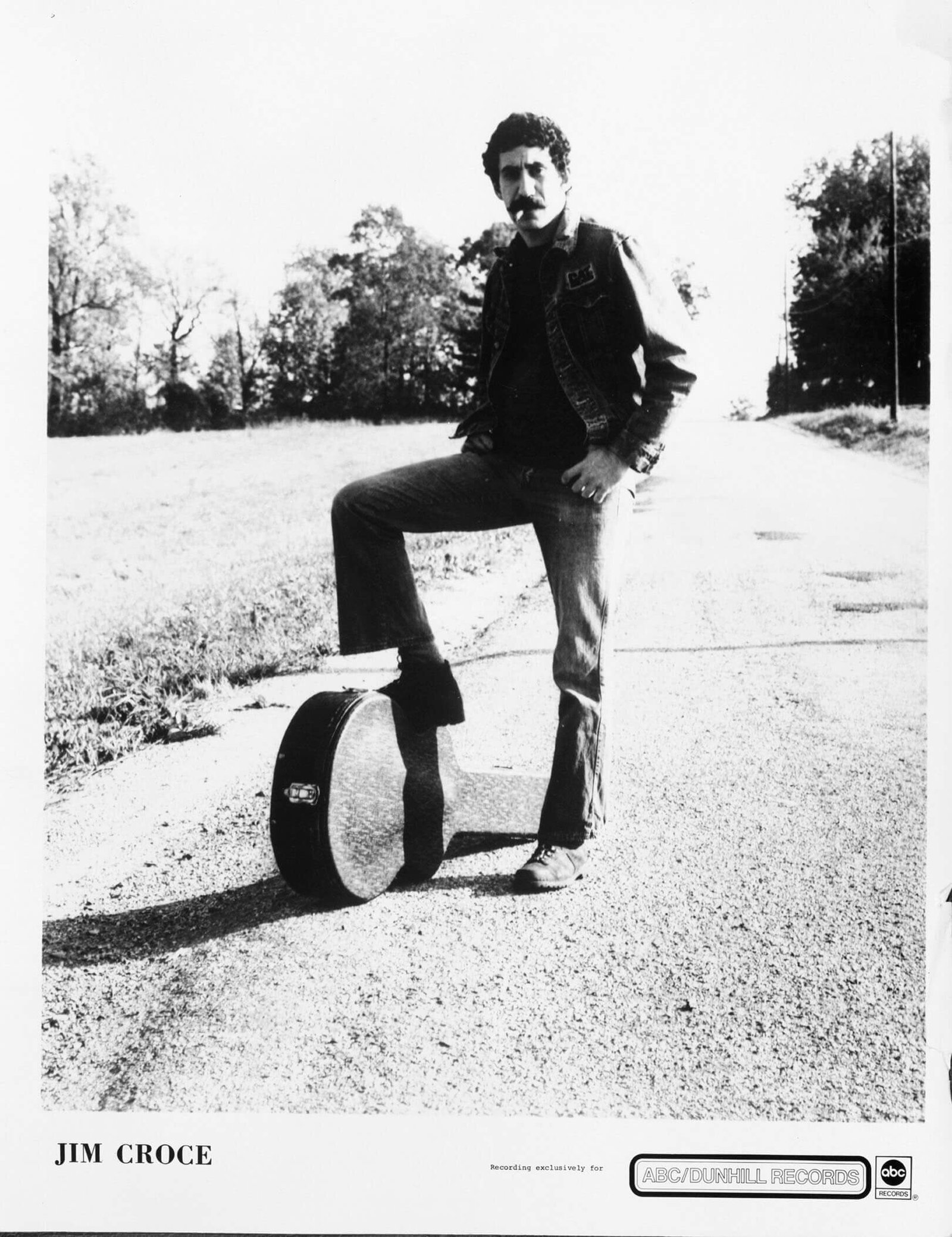
How Jim Croce Created “You Don’t Mess Around with Jim”: Forty Rejections and an $18,000 Gamble
It is one of the great overnight-success stories in popular music, except for the part where it took seven years. When “You Don’t Mess Around with Jim” arrived in April 1972, it sounded like it had come out of nowhere: a warm, funny, heartbreaking record by a thirty-year-old nobody from Philadelphia, cut in three weeks…
-
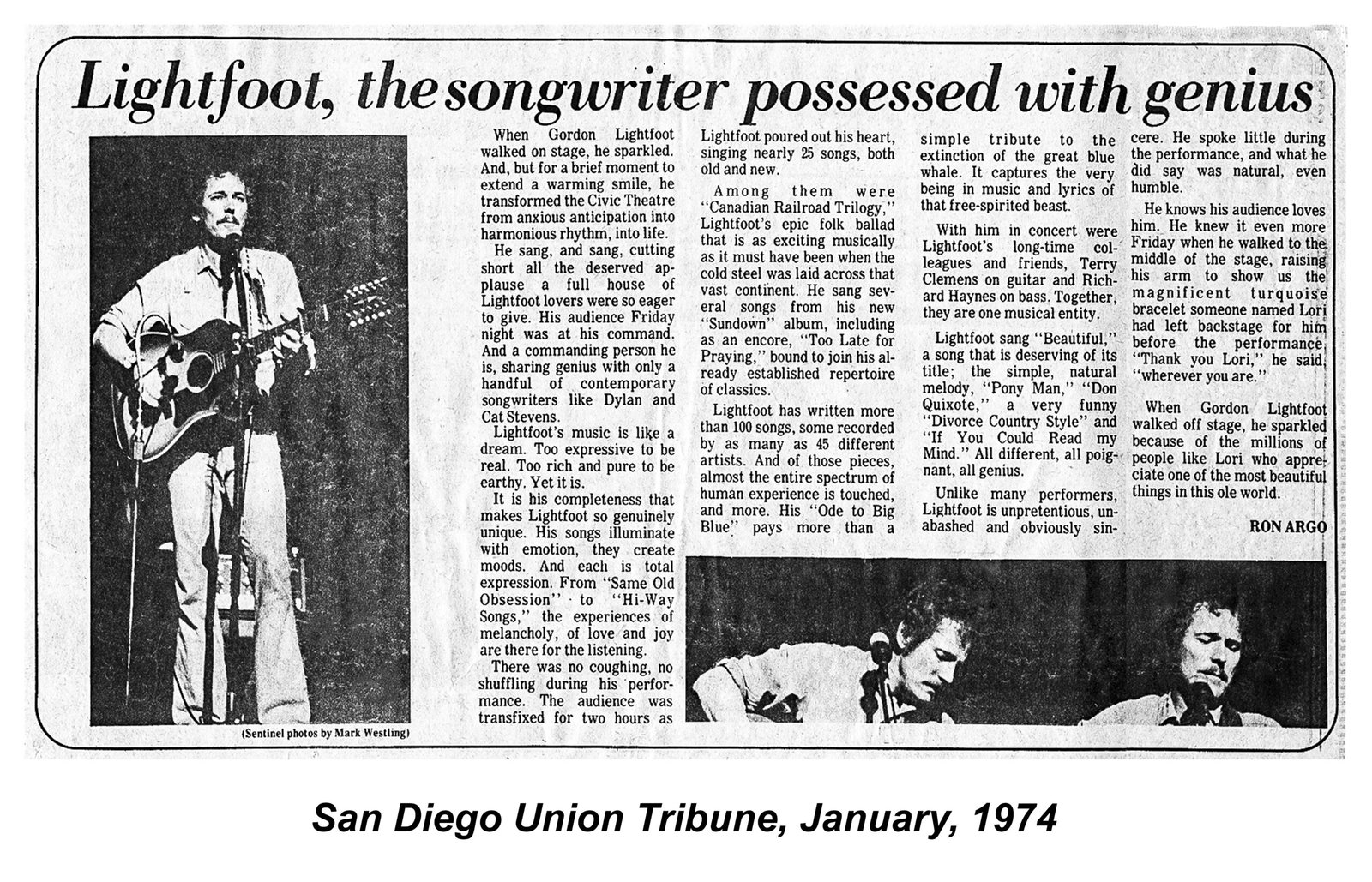
Gordon Lightfoot: The Heart Behind the Highways
He sang about restless hearts on lonely highways, and he lived the words. Gordon Lightfoot’s public image was the plainspoken Canadian bard — steady, modest, reliable as a twelve-string guitar. His private life was stormier: three marriages, six children, a legendary temper, a ferocious battle with alcohol that he won, and a devotion to his…
-

How Gordon Lightfoot Created “If You Could Read My Mind”: The Empty House, the Heartbreak, and the Lawsuit
Some songs are written. “If You Could Read My Mind” was confessed. In the summer of 1969, Gordon Lightfoot sat alone in an empty house in Toronto with a wicker chair, a small Quebec table that fit in the trunk of his car, a pad, and a manuscript — and wrote the most nakedly honest…
-
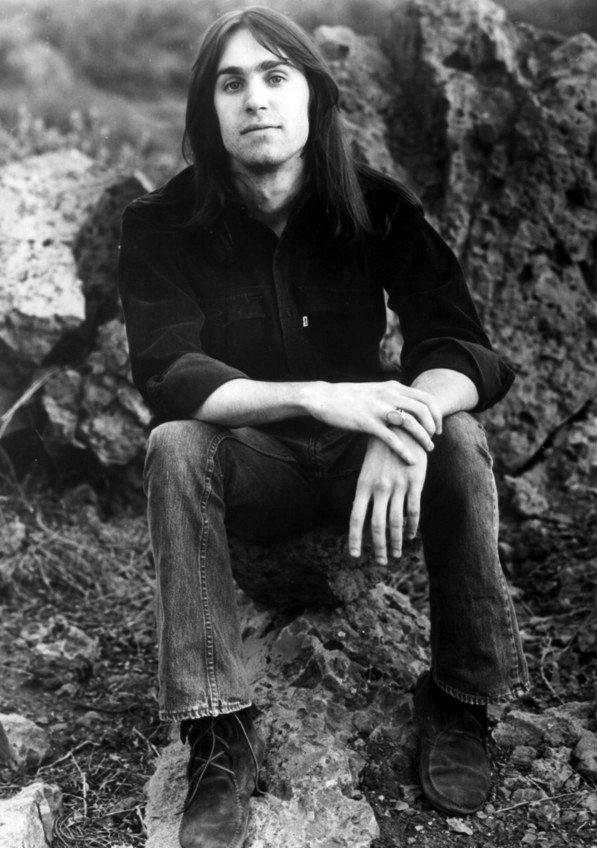
Dan Fogelberg: The Painter, the Pilot, and the Private Heart Behind the Hits
The songs made him sound like an open book. “Leader of the Band” laid his family history bare. “Same Old Lang Syne” confessed a true story down to the street address. “Longer” was practically a vow spoken aloud. Millions of listeners felt they knew Dan Fogelberg intimately — and that was exactly the illusion he…
-
How Dan Fogelberg Created “Nether Lands”: A Snowbound Masterpiece in the Colorado Rockies
By the winter of 1976, Dan Fogelberg had everything a young singer-songwriter was supposed to want, and it was starting to bore him. He had a gold record in “Souvenirs,” a hit single in “Part of the Plan,” and a reputation as one of the prettiest voices in seventies soft rock. What he did not…
-

Kansas: The Heart Behind the Dust
“Dust in the Wind” — Kansas’s most beloved song — is a meditation on mortality. All we are is dust in the wind. Everything passes. Nothing lasts. Kerry Livgren wrote it as a young man, as a philosophical exercise. He could not have known that he and his bandmates would spend the next fifty years…