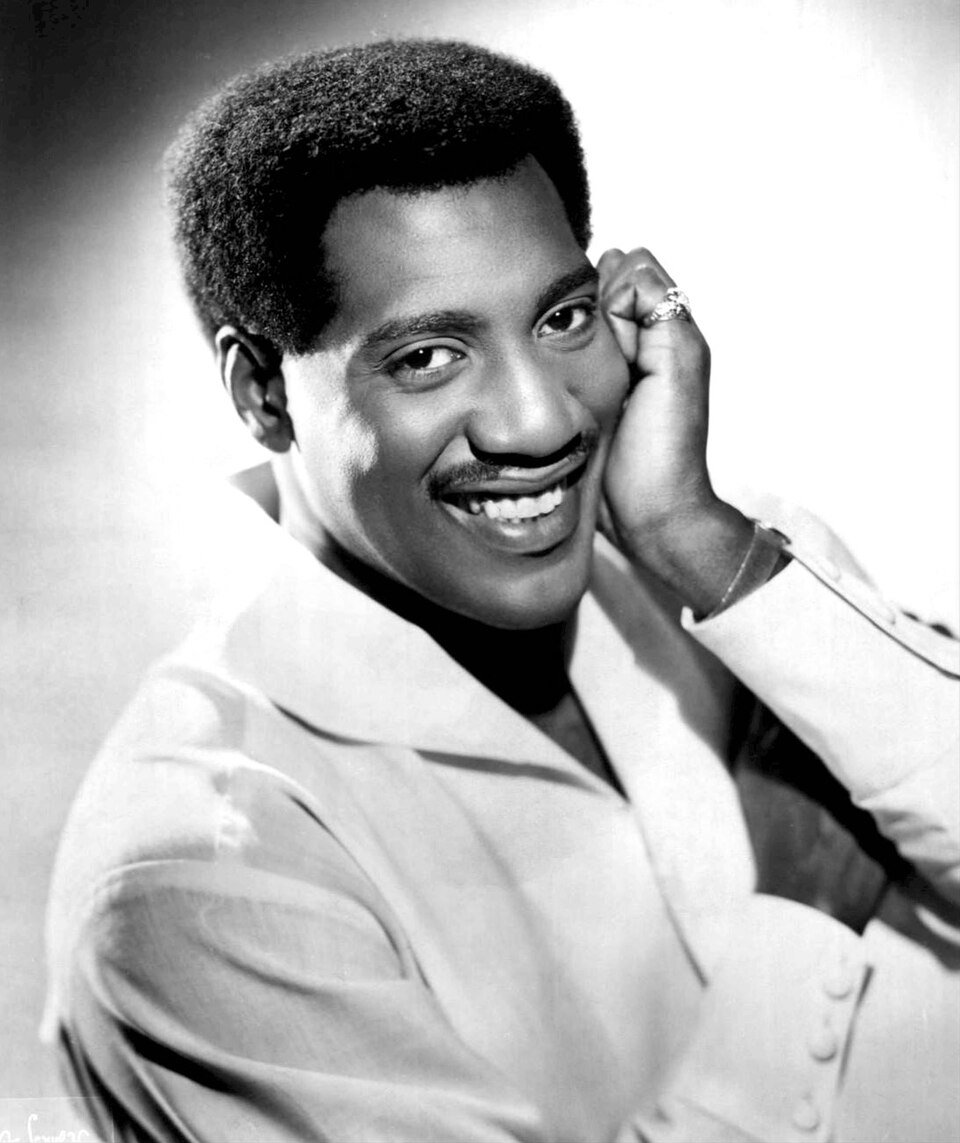
Otis Redding sang as if his heart were right there on the stage with him, unguarded and unafraid. Fans heard that openness and felt they knew him, even if they had only heard him on a record player in a living room far from Macon or Memphis. Yet behind the powerful voice was a young man who loved his family fiercely, who worked hard to provide for them, and who dreamed of a life that was bigger than fame alone. This is the story of the heart behind the hits: the husband, the father, the friend, and the son who never forgot home.
A Georgia Childhood Full Of Music And Work
Otis grew up in a family that knew both music and hardship. His father worked as a sharecropper and later as a labourer, and his mother held the household together with faith and determination. Music was not a luxury; it was a comfort and a way to praise, to grieve, and to celebrate. Young Otis sang in church, where he learned that a voice could move people to tears and to joy, and he carried that lesson with him for the rest of his short life.
As a teenager, Otis left school to help support his family when his father became ill. He took manual jobs and sang wherever he could, in local bands and talent shows, determined to turn his gift into a living. Friends from Macon remembered him as cheerful, hardworking, and ambitious, a young man who believed in himself long before the rest of the world did. That belief was not arrogance. It was the quiet confidence of someone who knew he had something to offer.
Love And Marriage To Zelma
Otis married Zelma Atwood when he was still a young man finding his way in music, and their marriage became the anchor of his life. Zelma understood the road, the late nights, and the uncertainty of a musician’s career, and she supported him through the years when success was far from certain. Together they raised children and built a home in Georgia, a place Otis returned to whenever touring allowed. He loved being home, and friends said he was at his happiest on his farm, surrounded by family, talking about the future.
Fatherhood mattered deeply to Otis. He wanted his children to have opportunities he had not had, and he worked tirelessly to provide them. He also wanted to be present, not just a voice on a record or a photograph on a wall. When he was home, he played with his children, helped around the house, and talked about school, music, and life. Those ordinary moments were, for him, the real reward of success.
A Generous Friend And Mentor
Musicians who knew Otis remembered his generosity and his humour. He encouraged younger artists, shared stages willingly, and treated band members like family. His backing band, the Bar-Kays, were young musicians he believed in, and he took pride in their talent and their growth. On the road, Otis was known for his laughter, his energy, and his habit of looking after others, whether that meant sharing a meal, offering advice, or simply making a nervous young singer feel welcome.
Dreams Beyond The Stage
Otis dreamed of more than hit records. He bought a large farm in Georgia, where he could ride, relax, and imagine a quieter life, and he planned to build his own recording studio so that he could help other Southern musicians. He wanted to create jobs, to mentor young talent, and to give back to the community that had raised him. Those plans were not the dreams of a man chasing fame; they were the plans of a man building a future for his family and his neighbours.
On tour, Otis faced the same injustices many Black artists faced in the 1960s, from segregated venues to long, exhausting travel. He handled those challenges with dignity and determination, and he spoke with pride about his roots. He never pretended to be someone else on stage. He was a Georgia man singing about love, respect, and hope, and audiences of every background responded to that honesty. His music crossed lines that society still struggled to cross.
What His Songs Tell Us About Him
Listen to Otis with his personal life in mind, and his songs take on new meaning. The pleading love songs are the voice of a husband who knew how precious a marriage could be. The songs about respect are the voice of a man who knew what it meant to be treated unfairly and who wanted dignity for everyone. The joyful, dancing songs are the voice of a friend who loved to make people smile. And the quiet song about sitting by the bay is the voice of a young man who, even at twenty-six, understood the value of stillness, reflection, and home.
A Family Left To Carry The Music
When Otis died in 1967, Zelma and their children were left to carry both grief and legacy. They did so with grace, preserving his music, his farm, and his memory, and helping new generations discover his songs. His children and family have spoken warmly about the father they knew: funny, loving, ambitious, and devoted to home. That family story is part of why Otis’s music feels so personal to listeners. It was made by a man who loved his people, and it is kept alive by the people who loved him.
Listening With A Fuller Heart
Next time you play an Otis Redding record, listen for the heart behind it. Hear the church boy from Macon, the young husband learning to provide, the father dreaming of a farm, and the friend who lifted everyone around him. Notice how he never holds back, how he trusts you with his feelings, and how he turns a simple lyric into a moment of truth. That trust is his gift to us.
So tonight, put on a favourite Otis song, and think of the man behind the hits. Think of a young Georgian who worked hard, loved deeply, and sang as if every performance might be his last, because, sadly, one of them was. The hits were wonderful, but the heart behind them was greater: a heart full of family, faith, generosity, and hope. That heart is still beating in every Otis Redding record, and it will keep beating as long as people gather to listen, to dance, and to remember.
Leave a Reply