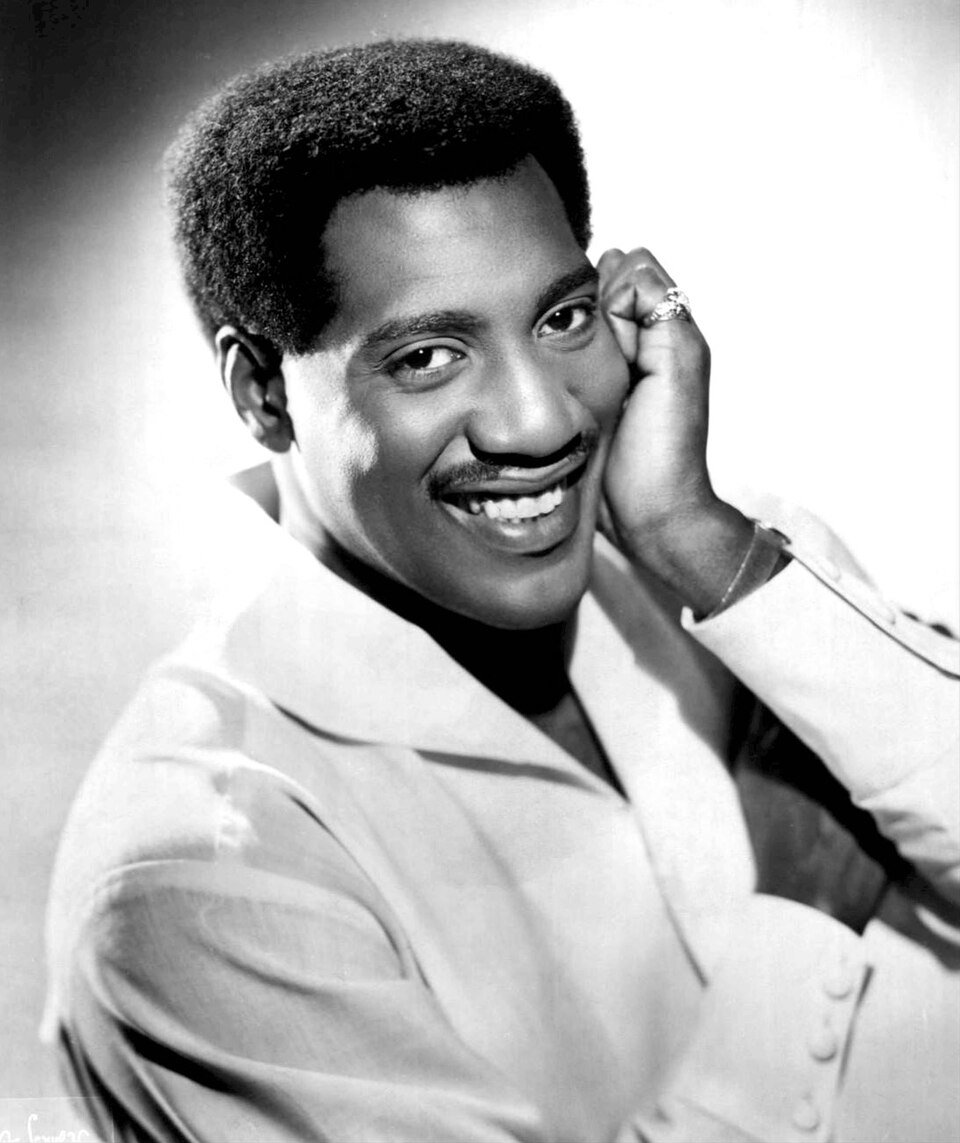
It is one of the strangest and saddest facts in popular music: the biggest hit of Otis Redding’s life was a song he never heard finished. He recorded it, he whistled its ending, he flew home to Georgia, and three days later he was gone. The song that remained, gentle, wistful, and unlike anything he had made before, became a farewell, a number one record, and a permanent part of American life. This is how Otis Redding made Sittin’ On The Dock of the Bay, and why it still sounds like a man taking a quiet breath before the next chapter.
A Restless Summer And A New Idea
In the summer of 1967, Otis was at the height of his fame and also feeling the strain of constant touring. After his triumphant performance at Monterey, he needed rest, and he found it in California, staying on a houseboat in Sausalito, across the bay from San Francisco. There, with time to think and the water lapping against the hull, he began to write differently. Instead of a driving soul shouter, he imagined a song that moved slowly, like a tide, a song about a man who had travelled far, worked hard, and now simply sat and watched the ships come in.
Otis worked on the song with guitarist Steve Cropper, his friend and collaborator at Stax. Cropper remembered Otis bringing in ideas, humming melodies, and talking about the feeling he wanted: not anger, not pleading, just reflection. Together they shaped verses that were simple and concrete, a man leaving Georgia, arriving in San Francisco, sitting on a dock, watching the tide roll away. The words were not fancy, and that was the point. They sounded like a man talking to himself on a quiet afternoon.
Recording A Quieter Otis
Back in Memphis, in November 1967, Otis recorded the song at Stax with Cropper producing. The session was different from his usual dates. The band played softly, the guitar picked gently, and Otis sang in a lower, more relaxed voice than fans were used to. He did not push, he did not shout, he let the song breathe. Listeners who knew him for fiery performances were hearing a new side: a singer at peace, a man who could be tender without losing strength.
The most famous detail of the recording is its ending. Otis had not yet written final lyrics for the fade-out, so he whistled the melody instead, intending to replace it later with words or a different idea. That whistle, casual and beautiful, became one of the most recognisable sounds in music history. It sounds like a man with nothing left to prove, simply enjoying the moment, and it gives the song its unforgettable, bittersweet feeling.
A Song Left Unfinished
Otis planned to return to the recording, to add strings, to finish the lyrics, and to polish the track for release. He took the rough mix with him on tour, listening and thinking about what to change. Then, on December 10, 1967, his plane crashed into Lake Monona in Wisconsin, killing Otis and most of his band. The song was left exactly as he had left it: a beautiful draft, a sketch of a new direction, a promise of music that would never come.
Steve Cropper Finishes What Otis Started
After Otis’s death, Steve Cropper returned to the studio with a heavy heart and a clear duty: to finish the song without betraying it. He added subtle strings and kept Otis’s vocal and whistle exactly as they were, resisting the temptation to overproduce a record that already felt complete in its incompleteness. The result was a track that sounded both polished and raw, a studio record that still felt like a man sitting alone by the water. Cropper later said the hardest part was not the mixing, but listening to his friend’s voice knowing he would never hear the finished version.
When the song was released in January 1968, just weeks after Otis’s death, listeners heard it as a farewell. Radio stations played it constantly, and it rose to number one, becoming the first posthumous number one single in American history. Fans bought it not only because it was beautiful, but because it felt like a last conversation with a singer they loved. The whistle at the end, once a placeholder, became a symbol: a life interrupted, a song unfinished, and a spirit that refused to fade.
Why The Song Still Stops People
More than half a century later, Dock of the Bay still stops people in their tracks. It is played at memorials, in films, on quiet drives, and in homes where someone needs a moment of calm. Its power lies in its simplicity: a man, a dock, a tide, and time passing. Anyone who has ever felt tired, lost, or in need of rest can find themselves in the song. It does not offer easy answers. It offers company, and sometimes company is enough.
A New Direction We Never Got To Follow
The song also hints at the artist Otis might have become. The gentler vocal, the folk-like storytelling, and the reflective mood suggest a singer ready to explore new territory, from country and folk to more intimate soul. Fans and musicians still wonder what albums he might have made in the 1970s, what collaborations he might have tried, and how his voice might have deepened with age. That wondering is part of the song’s poignancy. It is both a masterpiece and a doorway that closed too soon.
Listening As A Farewell And A Beginning
To listen to Dock of the Bay today is to hear both an ending and a beginning. It is the end of Otis Redding’s recording life, and the beginning of his legend, a legend built not on a long career, but on a short, brilliant burst of music that still feels alive. Play it on a quiet evening, near water if you can, and listen for the whole story: the houseboat in Sausalito, the Memphis studio, the whistle that was meant to be temporary, and the friend who finished the song with love.
Otis Redding never heard his greatest song finished, but millions of us have, and we carry it with us. We carry the tide rolling away, the ships coming in, and the whistle that fades into silence. And in that silence, we hear what Otis wanted us to hear all along: that even when life is unfinished, even when time runs out too soon, the music remains, sitting patiently by the bay, waiting for the next listener to sit down beside it.
Leave a Reply