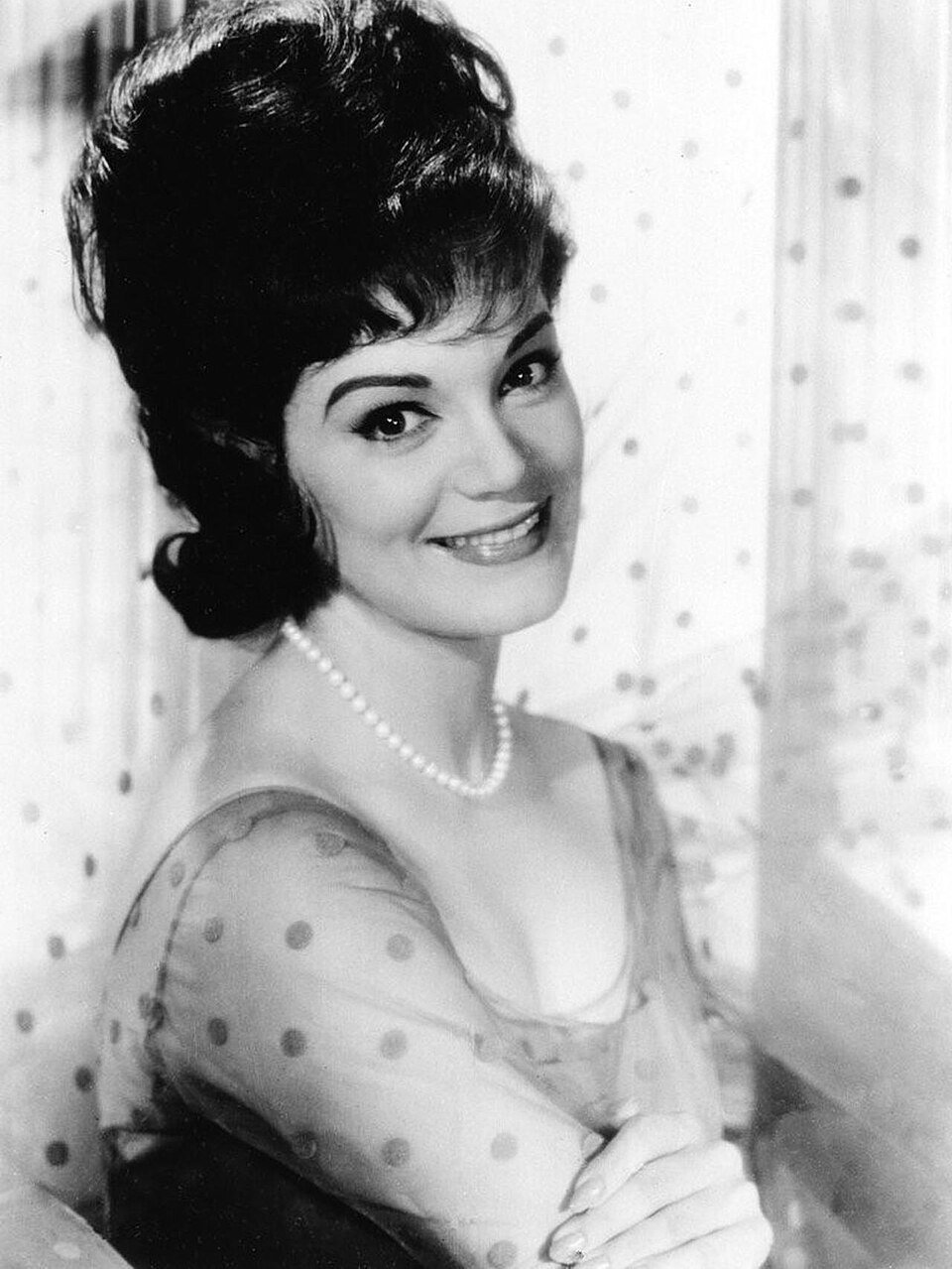
Some songs are tied to a season so closely that hearing the first notes is like feeling sunshine on your face. “Where the Boys Are” is such a song. For Connie Francis, it was more than a hit; it was the title song of a film, an anthem for a generation of young people on spring break, and a recording that captured the hopeful, restless spirit of 1960. Its story begins with a film studio looking for a theme, with songwriters who understood teenage longing, and with a singer who could make a simple, catchy melody feel like a personal invitation.
A Film Looking for Its Sound
In 1960, MGM was preparing Where the Boys Are, a film based on a novel by Glendon Swarthout, about four college girls who travel to Fort Lauderdale, Florida, for spring break, in search of fun, romance, and a little independence. The studio needed a title song that would capture the film’s mood: youthful, optimistic, and a little daring, without being scandalous. Connie Francis, already a major star, was cast in the film, and it was natural that she should sing its theme. The song had to work both on screen, as part of the story, and on radio, as a standalone hit. That double job is difficult, and many film songs fail at one or the other. “Where the Boys Are” succeeded at both, because it was written as a pop song first, and a film theme second.
The Songwriters Behind the Anthem
“Where the Boys Are” was written by Neil Sedaka and Howard Greenfield, a songwriting team who had already written hits for Connie, including “Stupid Cupid.” Sedaka and Greenfield understood teenage pop perfectly: they wrote melodies that were catchy without being childish, and lyrics that spoke directly to young listeners’ hopes and anxieties. For “Where the Boys Are,” they wrote a song about a girl who is tired of waiting at home, who wants to go where the boys are, to meet someone, to dance, to live. It was a simple idea, but it was revolutionary in its frankness: a young woman, in 1960, singing openly about wanting to find love, on her own terms. The song’s chorus, with its repeated question, became instantly memorable, and its verses painted a picture of spring break that listeners could see in their minds.
Connie’s Performance: Playful and Sincere
Connie recorded “Where the Boys Are” with a performance that balanced playfulness and sincerity. She sings it with a light, swinging rhythm, with a smile in her voice, and with a warmth that makes the song feel inviting rather than coy. She does not oversing it; she lets the melody do the work, and she phrases each line as if she is talking to a friend, telling her about her plans for the summer. The arrangement, with its bright horns, its driving beat, and its catchy backing vocals, supports her perfectly, without overwhelming her. It is a recording that sounds like a party, but also like a confession, and that combination is why it still works today.
The Film and the Song, Together
When Where the Boys Are was released in December 1960, it was a box-office success, and Connie’s performance, both as an actress and as a singer, was praised. The film dealt, for its time, honestly with issues facing young women, including dating, reputation, and independence, and the song became its emotional centre. Audiences left cinemas humming the title song, and radio stations, already playing Connie’s records, added it to their playlists. The single reached the top ten in America and became a hit in Britain and elsewhere, cementing Connie’s status as a global star. It also became a cultural touchstone: for years after, “Where the Boys Are” was shorthand for spring break, for youth, and for the freedom of the early 1960s.
A Song That Defined a Summer
For many listeners, “Where the Boys Are” is inseparable from memories of summer: of beach trips, of dances, of first crushes, and of a time when life felt wide open. The song’s power lies in its ability to evoke that feeling, even for listeners who were not alive in 1960. It is not a nostalgic song in the sense of looking back with sadness; it is a forward-looking song, full of anticipation, of plans, of hope. Connie sings it as if the summer is just beginning, and that sense of beginning is contagious. It is a song that makes you want to go outside, to meet people, to dance, and to live, which is why it has remained popular at reunions, at retro parties, and on oldies radio for more than sixty years.
What Makes the Recording Last
Part of the song’s lasting appeal is its production: clean, bright, and uncluttered, with Connie’s voice front and centre. The horns are punchy, the rhythm is steady, and the backing vocals add colour without distracting from the lead. But above all, it is Connie’s voice that lasts. She sings with a natural, unaffected style that does not sound dated, even though the recording is more than sixty years old. She does not use vocal tricks that tie her to a single era; she sings with a warmth and a clarity that are timeless. Young listeners today, hearing the song for the first time, often say the same thing older listeners said in 1960: it sounds like a friend inviting you to a party.
A Feminist Anthem Before Its Time
Looked at today, “Where the Boys Are” can also be seen as an early feminist anthem, in a modest, pop-song way. It is a song about a young woman taking initiative, going out, and seeking love on her own terms, rather than waiting passively at home. In 1960, that message was quietly radical, and it resonated with young women who were beginning to question traditional roles. Connie, who herself had fought for independence in her career, sang it with conviction, and her female fans heard that conviction. The song did not preach; it simply showed a girl with agency, with desires, and with a plan, and that, in itself, was a statement.
Cover Versions and Cultural Afterlife
Since Connie’s original, “Where the Boys Are” has been covered by many artists, referenced in films and television shows, and used as a title for books and documentaries about spring break and youth culture. Yet no version has replaced Connie’s in the public imagination. That is because the song and the singer became inseparable: Connie was in the film, she sang the song, and she embodied its spirit. Her version is the one that listeners remember, because it is the one that feels authentic, as if she really is the girl in the song, heading to Fort Lauderdale, looking for love, and finding, along the way, a little bit of herself.
The Legacy of a Summer Song
Today, “Where the Boys Are” remains one of Connie Francis’s signature songs, played on oldies stations, at nostalgia concerts, and in films about the early 1960s. It is a reminder of a time when pop music was both innocent and daring, when a song could be about teenage romance and also about independence, and when a singer like Connie Francis could carry a whole generation’s hopes in her voice. For Connie, it was also a personal milestone: a film role, a hit song, and a moment when her career, her voice, and her public image aligned perfectly.
Listening Again, in Summer
Listen to “Where the Boys Are” again, preferably on a warm day, with the windows open. Notice how the song starts with a sense of anticipation, how Connie’s voice lifts the chorus, and how the arrangement swings without ever becoming frantic. Notice how much joy there is in the recording, and how much hope. It is a song that does not ask you to be cynical or sophisticated; it asks you to remember what it felt like to be young, to be hopeful, and to be looking forward to summer.
A Summer That Never Ends
In the end, the making of “Where the Boys Are” is a story about how a film, a song, and a singer can come together to create a moment that outlasts them all. Neil Sedaka and Howard Greenfield wrote a catchy, honest song, MGM made a film that gave it a story, and Connie Francis sang it with a heart that made it real. The summer of 1960 is long gone, but the song is still here, still inviting us to go where the boys are, still reminding us that youth, hope, and music are timeless.
And that is why, more than sixty years later, we are still listening, still dancing, and still answering Connie’s question with a smile: we know where the boys are, and we know where the music is, too, in that bright, unforgettable voice.
Leave a Reply