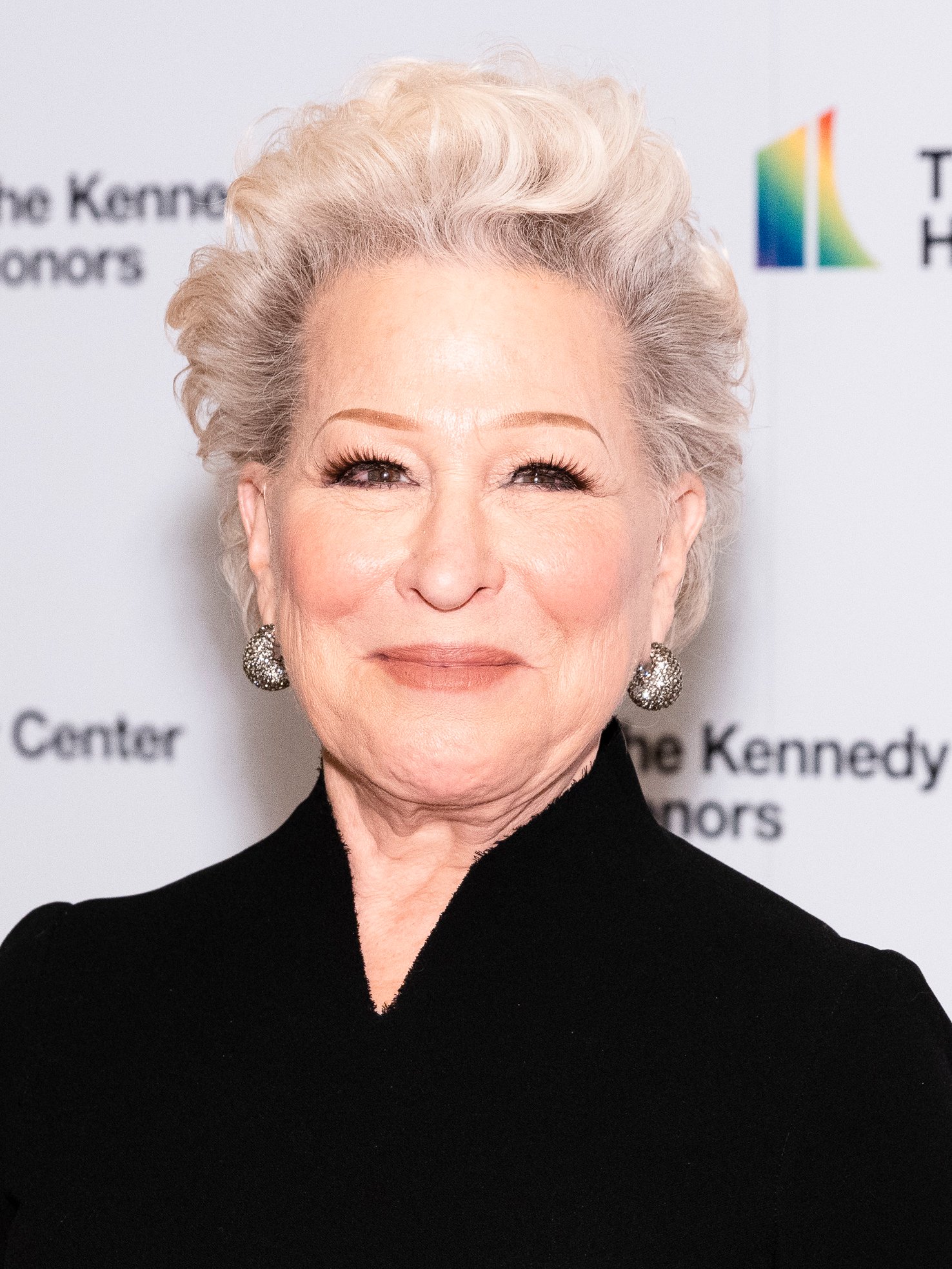
Amanda McBroom was not trying to write a standard. She was a Los Angeles singer-songwriter and actress whose manager had given her some practical career advice: if she wanted a record deal, she should write some Bob Seger-type tunes — gritty, commercial, rocking. McBroom went away and, in roughly forty-five minutes, produced the opposite of a Bob Seger tune: a slow, hymn-like meditation on love as a flower, built from a single verse repeated three times, with no bridge and no hook. “When I finished it,” she later said, “I realized it doesn’t have a bridge or a hook, but I couldn’t think of anything to put in there.” That structural failure became The Rose — the song that closed Bette Midler’s film of the same name, sold a million copies, and won its singer a Grammy.
A Song With Nowhere to Go
McBroom wrote the song in 1977 or 1978 and had no obvious use for it. She sang it occasionally in clubs, and performed it once on a local talk show hosted by Jim Nabors. She has said she believes it struck a universal nerve because it is “a message of hope that’s very easily understandable” — the lyric never mentions show business, addiction or fame, which is exactly why it could be laid over a story about all three. It was a beautiful piece of writing in search of a situation: its lyric works by accumulation, defining love through a series of images — a river that drowns the tender reed, a razor that leaves the soul to bleed, a hunger, a flower — before resolving into the seed waiting beneath the snow for the spring. It did not sound like a hit single, and it certainly did not sound like the closing music for a hard-living rock-and-roll film about a self-destructive star. Its journey to that film ran through one of the most exhaustive song searches in movie history.
Three Thousand Songs
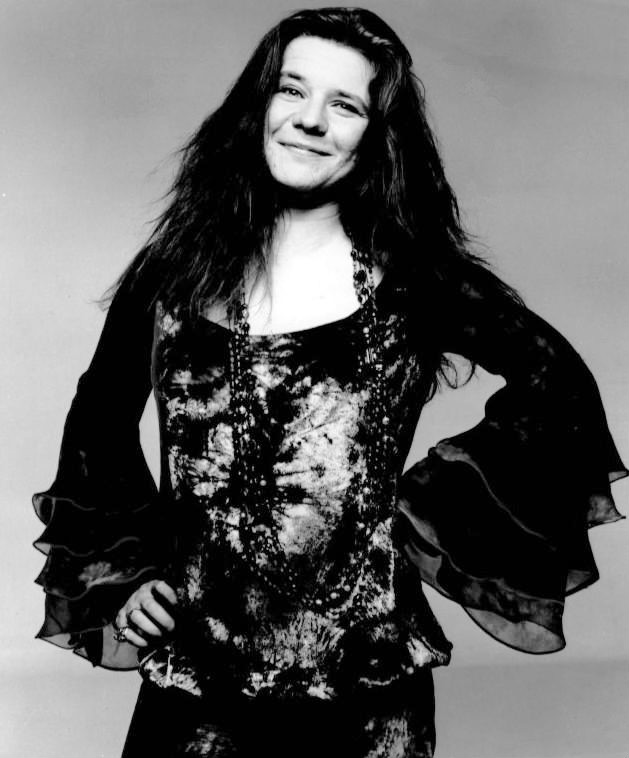
The film The Rose, directed by Mark Rydell, cast Midler as Mary Rose Foster, a rock singer coming apart at the height of her fame in a story transparently modelled on Janis Joplin. It was her screen debut, and the stakes were personal: she had conquered cabaret, Broadway and the pop charts, but Hollywood still filed her under novelty act, and this was her bid to be taken seriously as an actress. Producing the soundtrack was Paul A. Rothchild — the man who had produced Joplin herself, including her final album Pearl, as well as the Doors — and Rothchild approached the film’s music with legendary thoroughness. By McBroom’s account, he listened to more than 3,000 songs in order to assemble thirty possibilities for the picture. From those thirty, it was Midler who made the final selections, choosing seven songs for the film. Among them, against every commercial instinct, was McBroom’s bridgeless hymn. It was placed where it could do the most emotional damage: not in the concert scenes, where Midler tears through rock and blues material in character, but alone under the closing credits. The placement matters. Rose’s story ends in collapse — at her long-awaited homecoming concert she takes the stage, performs a single song, and dies of an overdose in front of her audience. There is no redemptive speech, no final reconciliation. Instead, as the credits roll, the film hands its last word to McBroom’s song: love as a seed, buried under snow, waiting out the winter in the faith that something can still grow. It is the film’s epitaph, sung in Midler’s own voice rather than her character’s — the one moment where the singer steps out from behind the woman she is playing and grieves for her.

Piano Only
The recording Midler made is a study in restraint. In the film and on the soundtrack album, The Rose arrives with an extended introduction and nothing behind the vocal but piano — played by Lincoln Mayorga — while McBroom herself sings harmony. The single release added orchestration, with string arrangements by David Campbell, for radio. Either way, the performance is the antithesis of the Divine Miss M persona Midler had built in the bathhouses and on Broadway: no brass, no camp, no wink. She sings it straight, quietly, letting the lyric’s hope sound hard-won rather than sentimental — which, in the context of a film about a singer destroyed by her own life, it is. The contrast is the film’s whole musical design in miniature. On stage, as Rose, Midler is all attack: blues, soul and rock standards delivered at full throttle by a woman burning herself alive in public. Under the credits, alone with a piano, she sings the quietest performance of her career — and it is the quiet one that the audience carried out of the cinema.
Released as the second single from the soundtrack in 1980, The Rose reached No. 1 on the Cash Box Top 100 and No. 3 on the Billboard Hot 100, spent five weeks at No. 1 on the Adult Contemporary chart and was certified gold. The soundtrack album around it sold more than two million copies in the United States, and the film did the rest of the job: Midler’s performance as Rose earned her an Academy Award nomination for Best Actress and a Golden Globe — the novelty act had become a dramatic star in a single role. At the Grammy Awards, Midler won Best Female Pop Vocal Performance for the song, beating a field that included Barbra Streisand and Donna Summer. McBroom, meanwhile, won the Golden Globe for Best Original Song.
The Oscar That Honesty Cost
There is, however, a famous gap in the song’s trophy cabinet. The Rose received no Academy Award nomination for Best Original Song — and the reason is a small masterpiece of show-business irony. The Academy’s rules required a nominated song to have been written specifically for its film. McBroom was asked directly whether hers had been written for The Rose, and she answered honestly: it had not; it had existed before the film, in clubs and on a local talk show. That honesty disqualified it. The Golden Globes, whose rules carried no such requirement, had no difficulty honouring the same song. The standard that resulted has long outlived the technicality: in 2004 the American Film Institute ranked The Rose No. 83 in its survey of the hundred greatest songs in American cinema — remarkable company for a song that, by the Academy’s own rules, should never have been in a film at all, and a quiet institutional admission that the closing credits of The Rose produced one of the definitive movie-music moments of its era.
The covers testify to its reach. Conway Twitty took it to No. 1 on the country chart in 1983, the thirtieth chart-topper of his career; Nana Mouskouri recorded a German version, Die Rose, as early as 1980; Westlife took it to No. 1 in Britain in 2006. Britain, in fact, was the song’s slowest conquest — Midler’s original did not enter the UK chart at all on release, and finally crept in at No. 121 as late as 2012, in the download era, a third of a century after she recorded it. A song written in three-quarters of an hour, as a deliberate act of disobedience against a manager’s commercial advice, with no bridge and no hook and no film in mind, ended up defining a film, a performance and a singer. McBroom has said she believes it endures because its message of hope is easily understood. Rothchild listened to three thousand songs to find the right one. It took him nearly two years, and thirty finalists, to get there. The right one turned out to be the song its own writer thought was missing its most important parts.
Leave a Reply