-

How Tina Turner Made ‘The Best’: The Bonnie Tyler Song She Rebuilt Into Her Signature Anthem
The song the whole world now treats as Tina Turner’s personal motto was not written for her, was turned down by the man it was written for, and had already been released — unsuccessfully — by somebody else before she ever sang it. The Best, known to half the planet by its chorus tag “Simply…
-
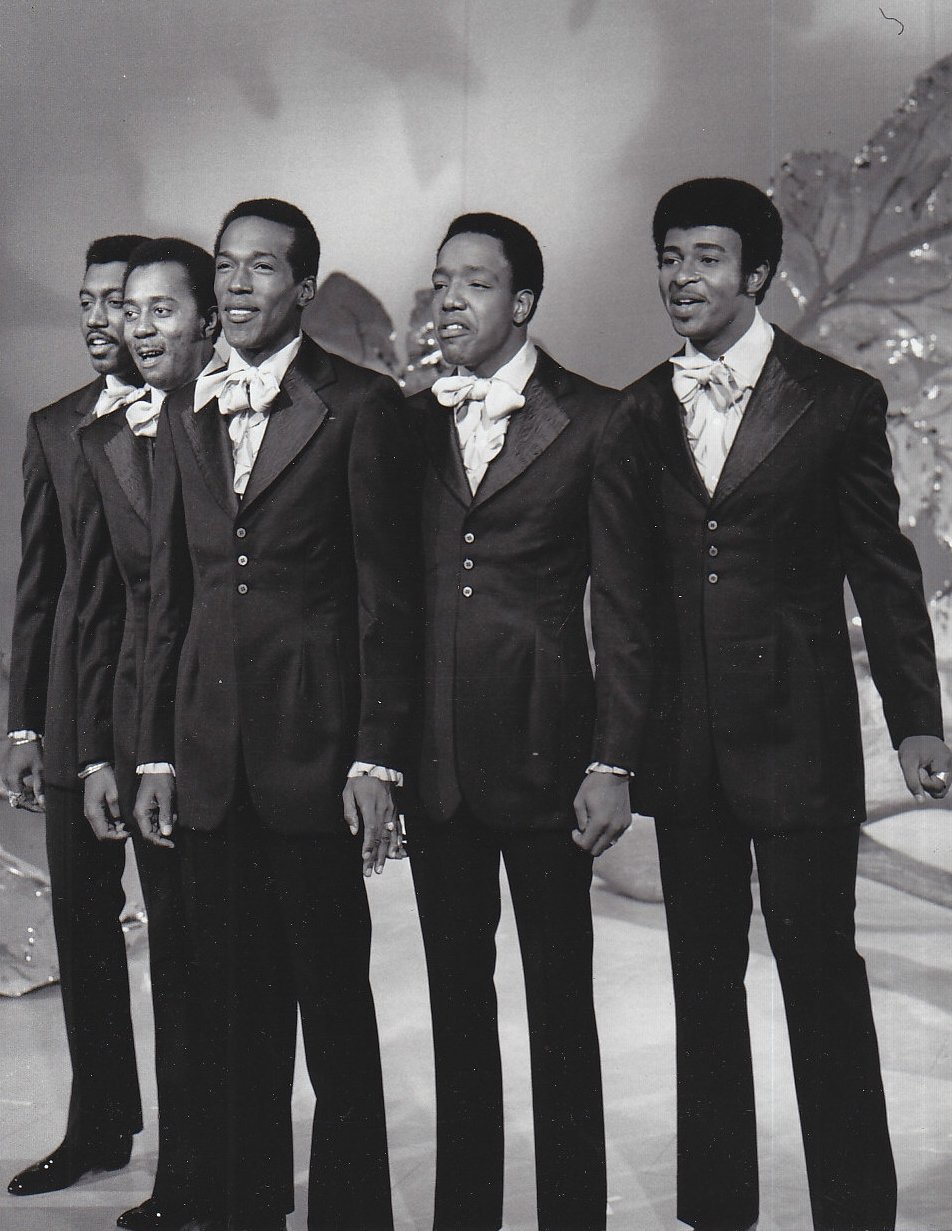
How The Temptations Made ‘Ain’t Too Proud to Beg’: The Song Berry Gordy Rejected Twice
Before Ain’t Too Proud to Beg could become a hit, it had to survive Motown. The song was rejected at the company’s own Friday-morning quality control meetings — not once, but repeatedly. Berry Gordy himself listened to it and delivered the verdict that it was good, but it “needed more story.” Its producer was told,…
-
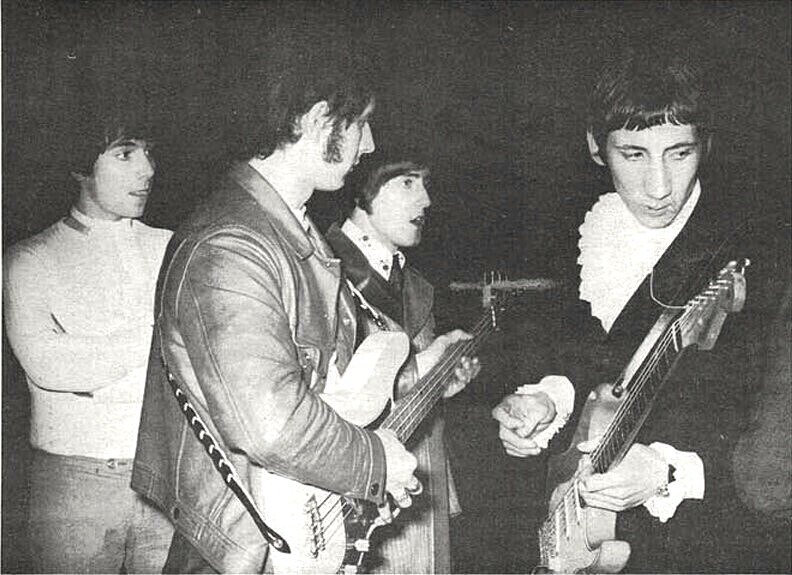
How The Who Made ‘I Can See for Miles’: The Ace in the Hole That Only Reached Number Nine
Pete Townshend kept I Can See for Miles the way a gambler keeps a marked card. He wrote it in 1966, listened to his own demo, and concluded he was holding the best song he had ever written — a guaranteed number one, too valuable to waste. So he refused to release it. For more…
-

How The Rolling Stones Made ‘Ruby Tuesday’: Two Men, One Double Bass, and a Goodbye to Linda Keith
In January 1967 the Rolling Stones released the most provocative single of their career, and America fell in love with the other side of it. Let’s Spend the Night Together was the headline: a cheerful invitation that radio programmers considered too rude to broadcast. But the record that climbed to number one was its partner,…
-
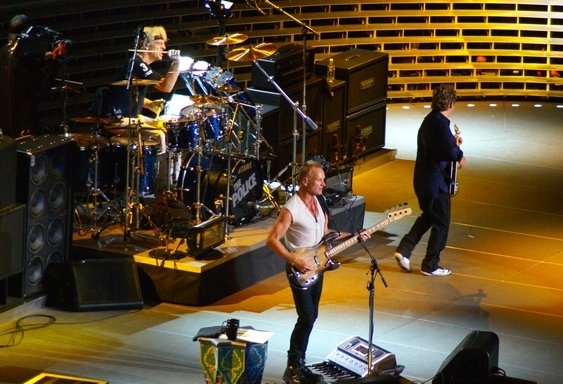
How The Police Made ‘Every Little Thing She Does Is Magic’: The Five-Year-Old Demo the Band Couldn’t Beat
The biggest pop song The Police ever made was older than The Police. When Every Little Thing She Does Is Magic reached number one in Britain in November 1981, the song itself was already five years old: Sting had written it in 1976, before the band existed, before the hits, before he had anything to…
-
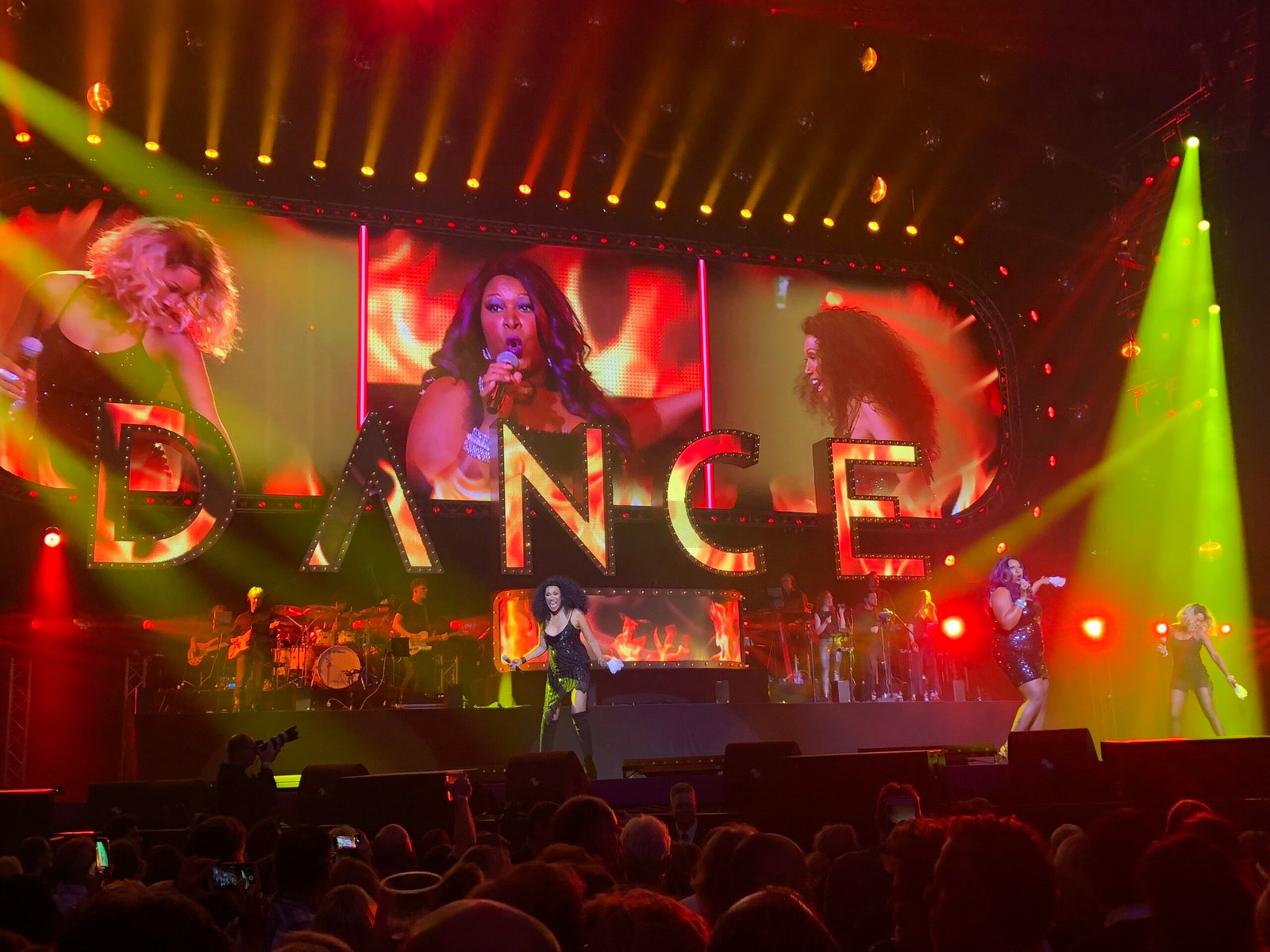
How The Pointer Sisters Made ‘Fairytale’: The Country Song That Took Them to the Grand Ole Opry
In 1974 the Pointer Sisters were a bebop act: four sisters from Oakland in 1940s dresses, harmonising like the Andrews Sisters and scatting through jazz standards their peers wouldn’t touch. Then, on their second album, they slipped in a song so authentically, tearfully country that Nashville embraced it before Nashville saw it — a breakup…
-
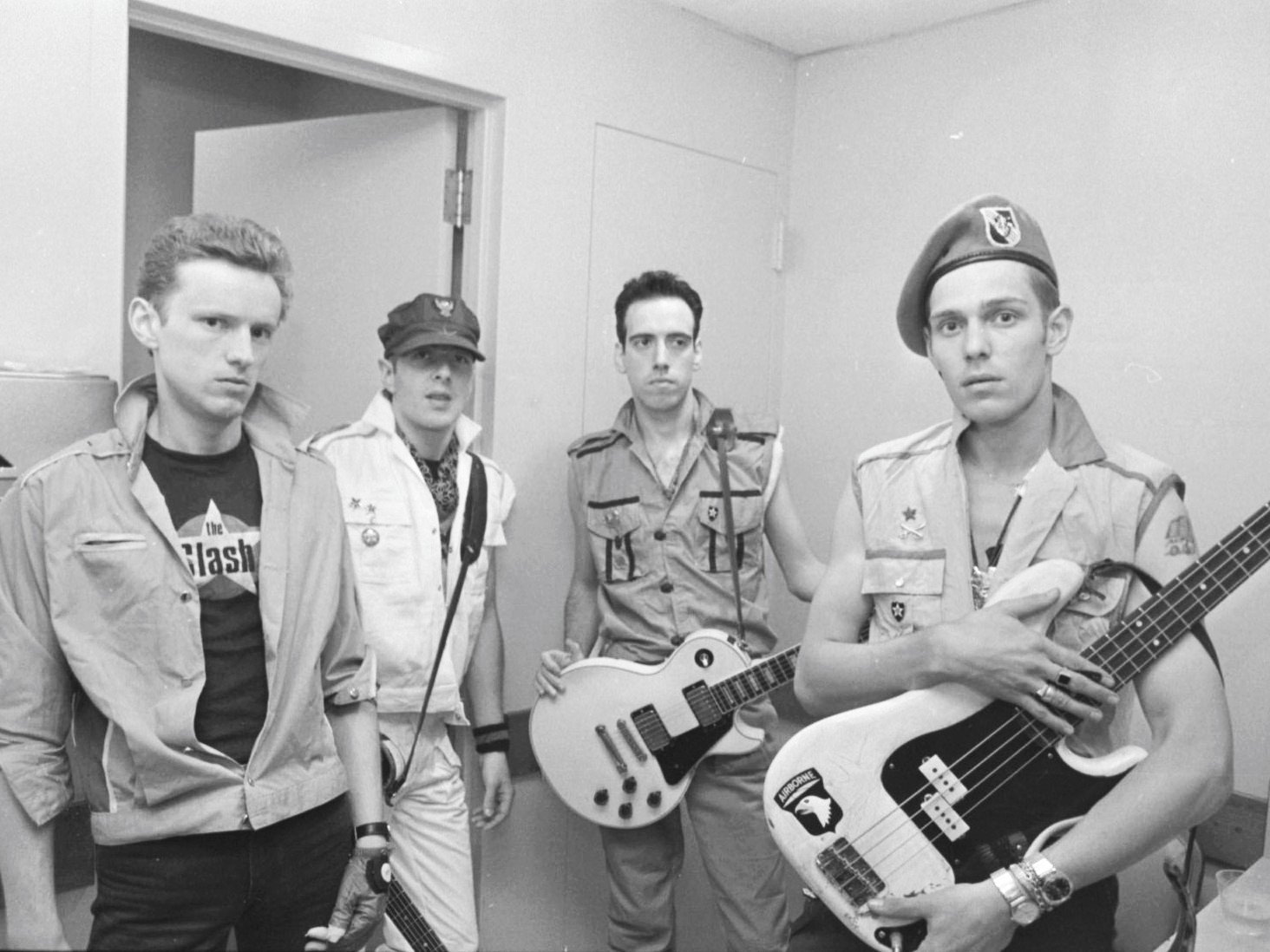
How The Clash Made ‘Complete Control’: The Single That Declared War on Their Own Label
Most young bands spend their first year on a major label trying not to offend it. The Clash spent theirs writing a hit single about what a mistake the whole arrangement had been. Released in September 1977, barely eight months after the band signed to CBS Records, Complete Control is a three-minute act of insubordination:…
-
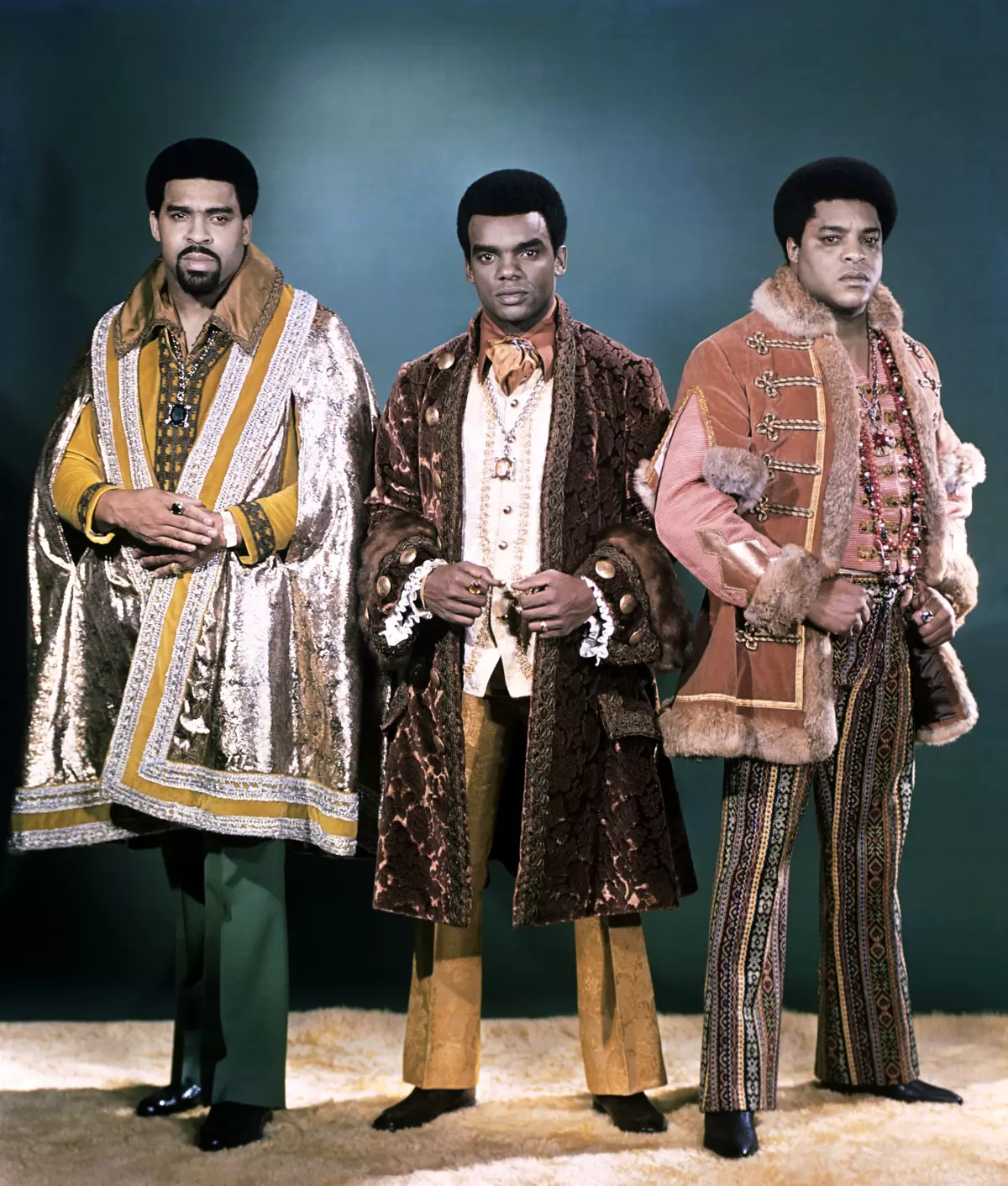
How The Isley Brothers Made ‘This Old Heart of Mine’: The Motown Classic That Wasn’t Written for Them
The Isley Brothers arrived at Motown in the mid-1960s with a problem no other act on the label had: they were already finished artists. They had written their own breakthrough, Shout, on a stage. They had turned somebody else’s flop into Twist and Shout. They answered, temperamentally, to nobody. Berry Gordy’s empire, by contrast, ran…
-

How The Cars Made ‘Let’s Go’: The Handclap Hook That Gave Them Their First Top 20 Hit
In the summer of 1979, the Cars were the band who were not supposed to have a second act problem — and Let’s Go was the proof they didn’t. A year after their debut album had turned a Boston bar band into new wave royalty, the five of them walked back into the studio with…
-

How The Doobie Brothers Made ‘Black Water’: The B-Side a Virginia Radio Station Turned Into Their First Number One
The Doobie Brothers’ first No. 1 single was not written by their leader, not sung by their usual frontman, and not, for most of its life, a single at all. Black Water began as a fingerpicked guitar figure Patrick Simmons was fooling with between takes, became the quietest track on a hard-rocking album, and was…