-

How The Carpenters Made ‘We’ve Only Just Begun’: The Bank Commercial That Became a Wedding Anthem
It is arguably the most famous wedding song of the twentieth century, and it was written to sell bank accounts. We’ve Only Just Begun began life in 1970 as a television commercial for a California bank — sixty seconds of a young couple marrying and driving into their future, with no sales pitch at all.…
-

How The Beach Boys Made ‘California Girls’: The Hymn to Youth Brian Wilson Built From Cowboy Chords
Before the harmonies, before the sunshine catalogue of regions and girls, there is forty seconds of orchestra: a slow, stately prelude that sounds less like a surf record than like the opening of a film about the American West. California Girls was the moment Brian Wilson stopped writing songs for the beach and started building…
-

How Styx Made ‘Fooling Yourself’: The Angry Young Man Was Dennis DeYoung
It is the most encouraging song Styx ever recorded — a five-and-a-half-minute pep talk about getting up, getting back on your feet, and refusing to waste a bright future. But Fooling Yourself (The Angry Young Man) was not written as a pep talk for the audience. It began as one band member quietly studying another.…
-
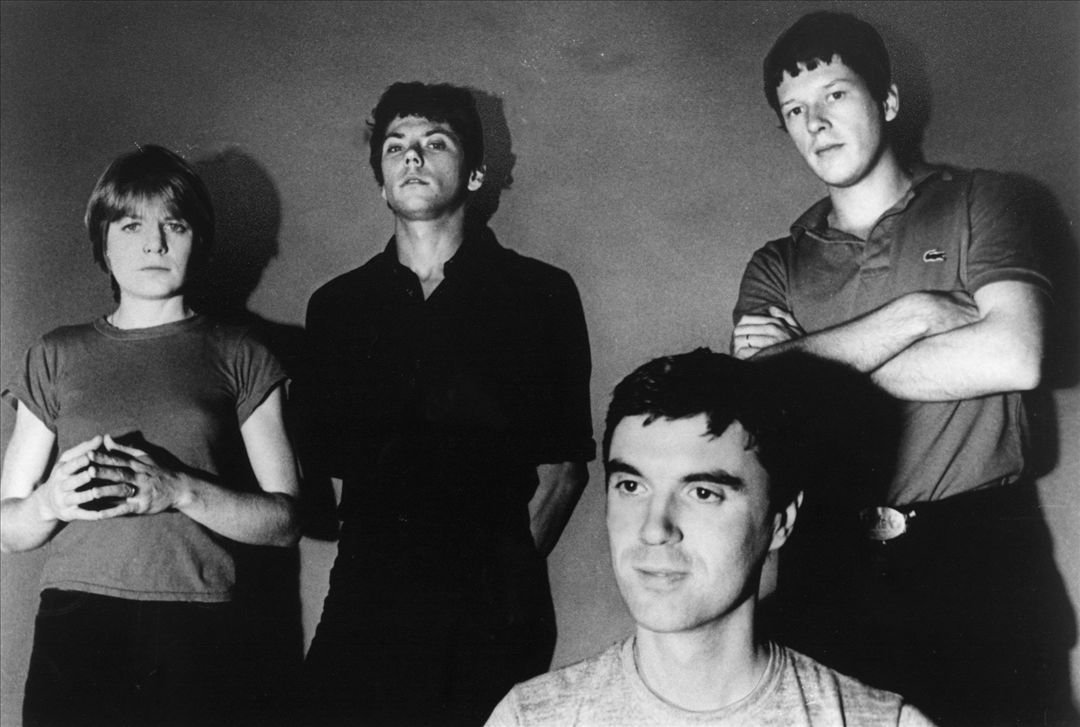
How Talking Heads Made ‘Psycho Killer’: An Alice Cooper Ballad From the Art School Years
The first song Talking Heads ever wrote together was a murder ballad they imagined as a joke about villainy — and it outlived every cooler, cleverer thing they did afterwards. Psycho Killer was written in a Rhode Island art school in 1974, three years before anyone outside a few New York clubs had heard of…
-
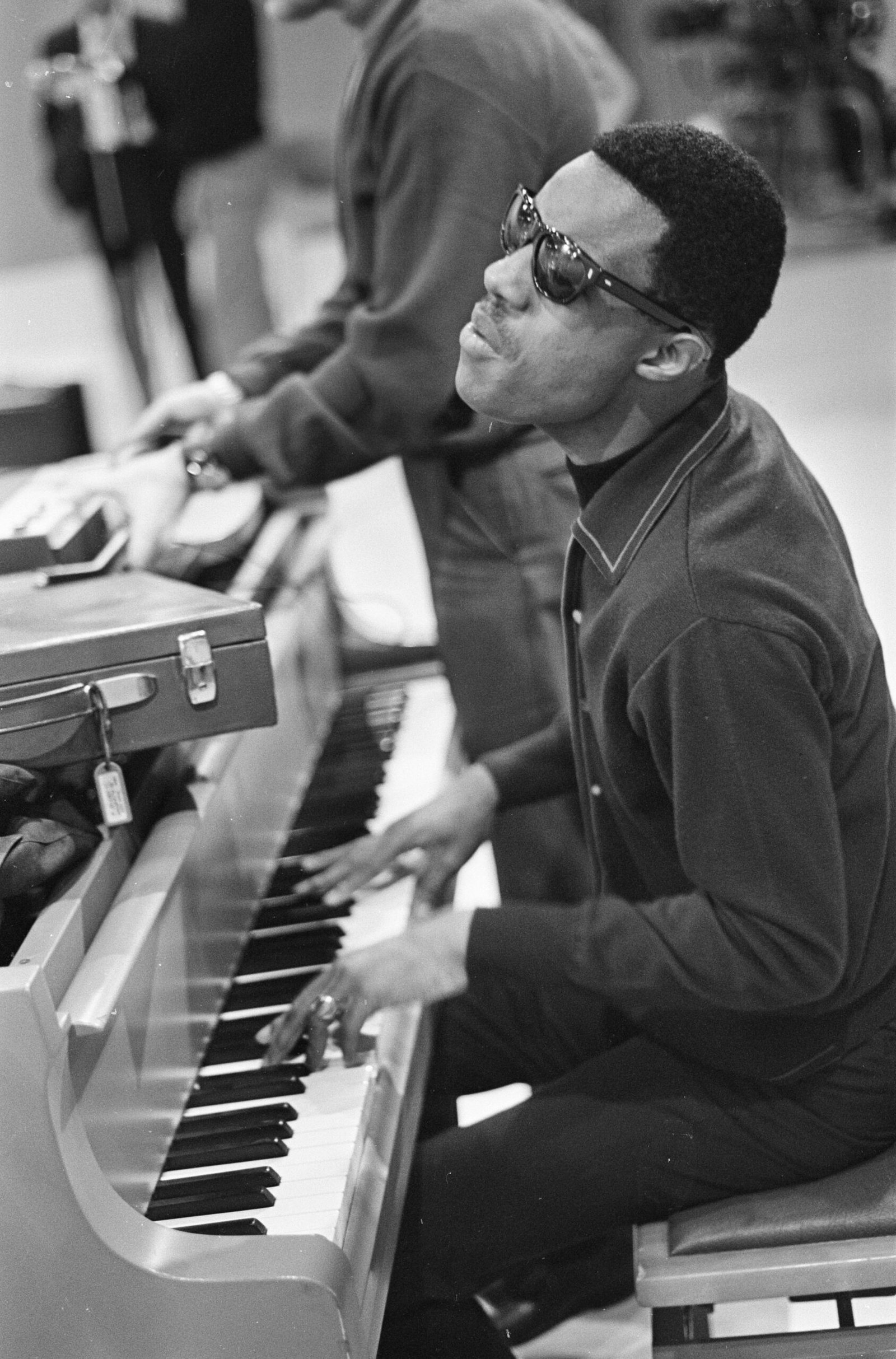
How Stevie Wonder Made ‘My Cherie Amour’: The Love Song He Wrote in an Hour at Sixteen — and Motown Shelved
It is one of the most beloved love songs ever recorded, and it began as homework of the heart. In 1966, a sixteen-year-old boarding student at the Michigan School for the Blind in Lansing sat down and wrote a song in about an hour for a girl he liked. By the time the record company…
-
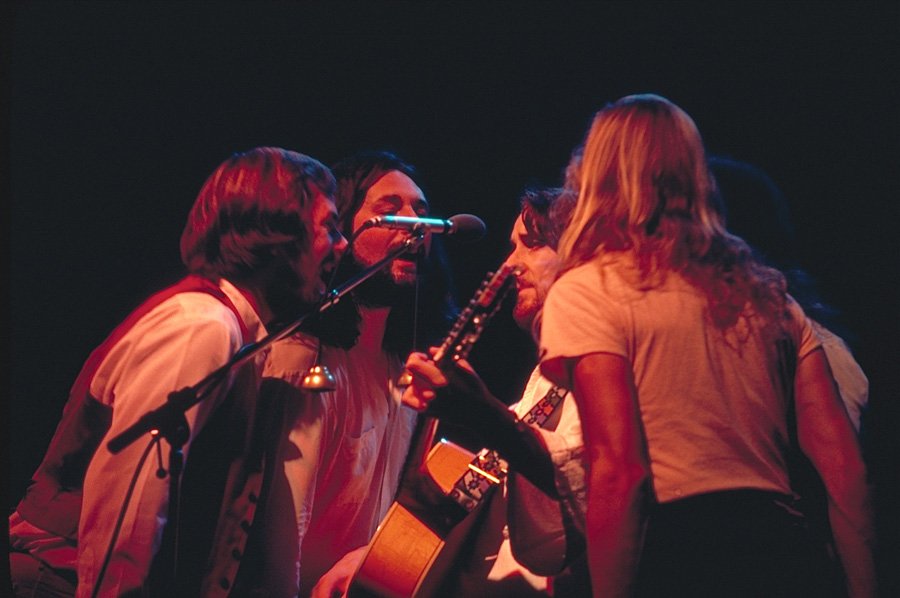
How Supertramp Made ‘Dreamer’: The Teenage Demo Banged Out on Boxes and Lampshades
One of the most polished recordings of the 1970s began as a teenager banging on household objects in his mother’s front room. Roger Hodgson was nineteen years old when he sat down at a Wurlitzer electric piano — the first one he had ever played — and felt a song simply fly out of him.…
-

How Steely Dan Made ‘Rikki Don’t Lose That Number’: The Lost Phone Number and the Borrowed Jazz Riff
It begins with an instrument most listeners could not name — a strange, woody solo that floats free of the beat — and then settles into a bassline that every jazz fan in America recognised on first hearing. Rikki Don’t Lose That Number opened Steely Dan’s third album, Pretzel Logic, in February 1974, and by…
-
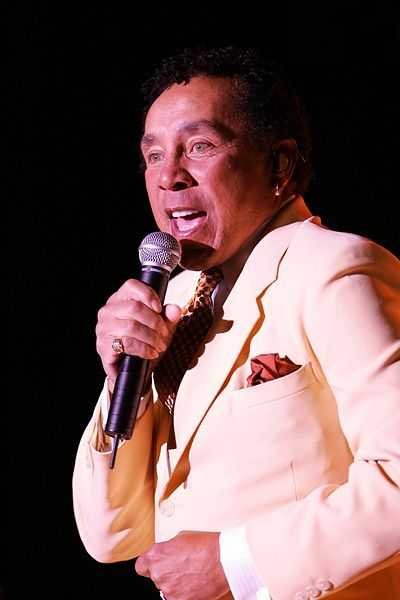
How Smokey Robinson Made ‘You’ve Really Got a Hold on Me’: The Hotel-Room Confession That Became a B-Side Sensation
In 1962, Smokey Robinson — all of twenty-two years old — went to New York on business for Motown, the young Detroit label where he was simultaneously star singer, chief songwriter and vice president, and came home with one of the most honest love songs ever written. Sam Cooke’s Bring It On Home to Me…
-

How Sade Made ‘Paradise’: The Quiet Groove That Became Their First American R&B Number One
By 1987, the music industry had a problem with Sade: the band would not hurry. Two albums — Diamond Life and Promise — had sold in the tens of millions and made Sade Adu the most recognisable voice in Britain, yet the follow-up was taking years, and the four musicians responsible for it had largely…
-
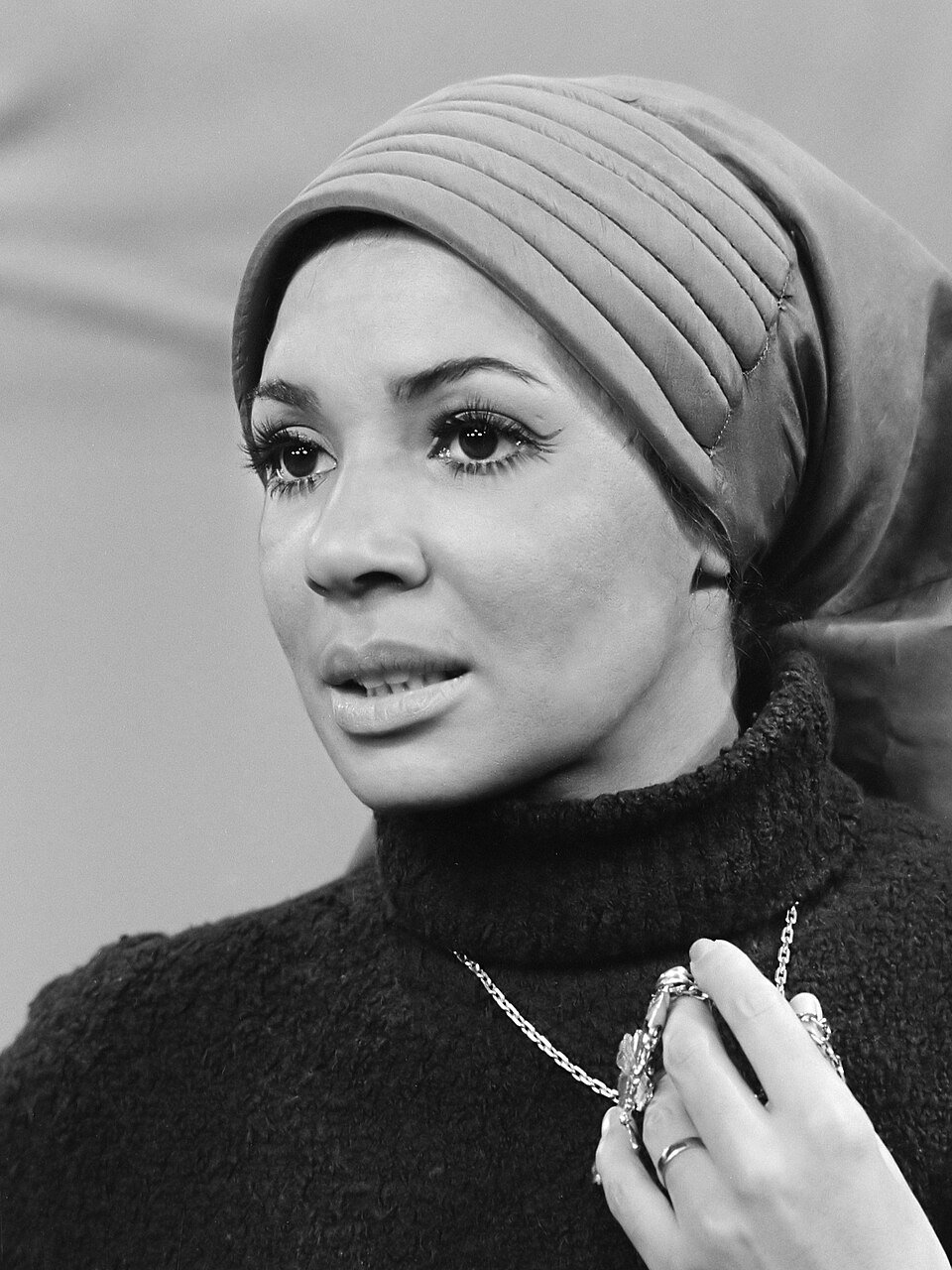
How Shirley Bassey Made ‘Big Spender’: The Chorus-Line Taunt She Stole for Herself
The record lasts one minute and forty-eight seconds. That is all Shirley Bassey needed. In September 1967, the Welsh singer took a song that had been written for a whole line of Broadway chorus girls — a teasing, hip-swaying come-on delivered by a row of jaded dance-hall hostesses — and compressed it into a single…