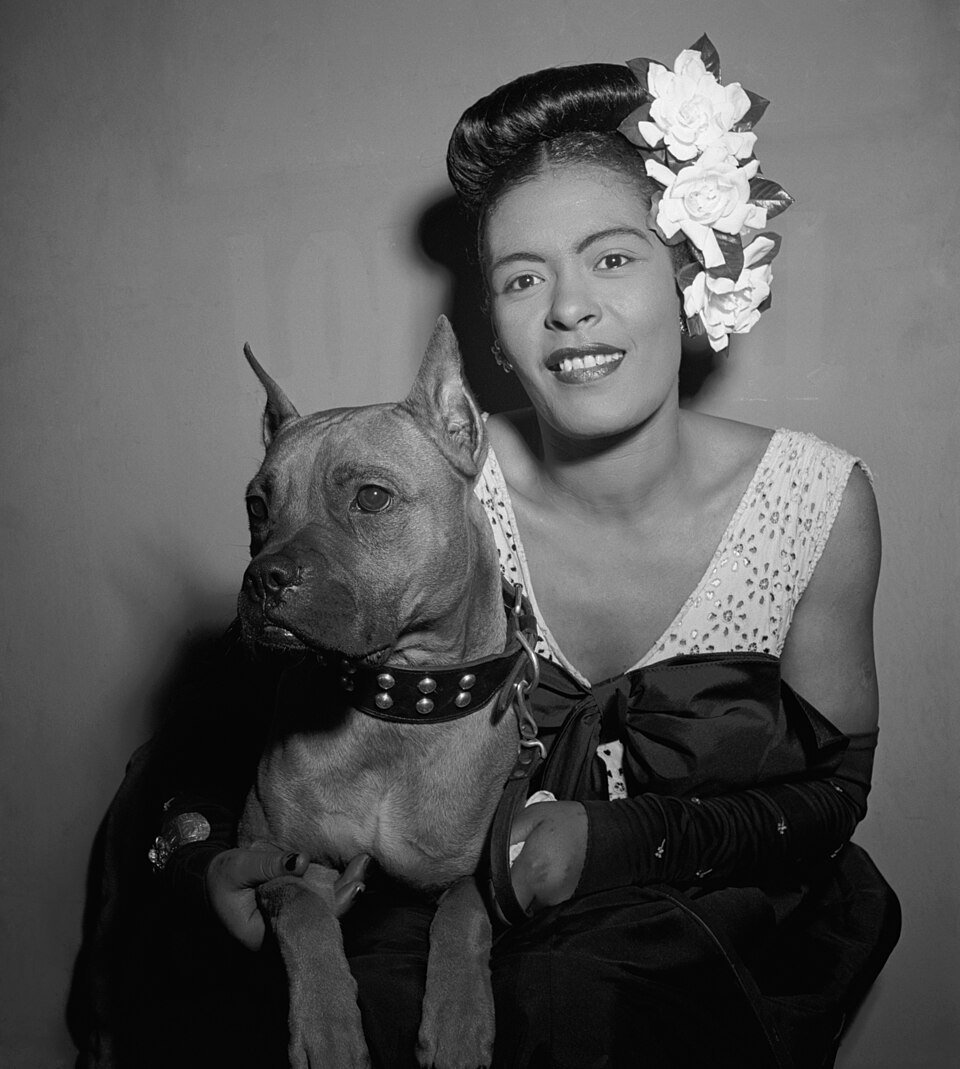
Some songs are written to entertain. Strange Fruit was written to accuse, to mourn, and to force listeners to look at something America preferred not to see. When Billie Holiday first sang it in 1939, in a small New York club, the room went silent, the waiters stopped serving, and the lights went down to a single spot on her face. It was not a performance. It was a witness statement, set to music, and it changed protest music forever. This is how Billie Holiday made Strange Fruit, and why she kept singing it when it cost her dearly.
A Poem Written By A Teacher
Strange Fruit began as a poem by Abel Meeropol, a Jewish schoolteacher from the Bronx who wrote under the name Lewis Allan. Meeropol was horrified by photographs of lynchings in the American South, and in 1937 he wrote a poem that used a bitter, shocking image: Black bodies hanging from trees in the South, described as strange fruit. The poem was published, and Meeropol later set it to music with his wife, creating a song that was stark, slow, and unforgettable.
The song came to Billie Holiday through Barney Josephson, who ran Cafe Society, a pioneering integrated nightclub in Greenwich Village. Josephson believed Billie was the only singer who could carry such a song, because she sang with a gravity and a truth that other singers could not fake. Billie was initially hesitant. She understood the risk: singing about lynching in 1939 could anger audiences, venues, and radio stations, and it could put her own career in danger. Yet she also understood the song’s power, and she agreed to sing it, with a special ritual that became part of its legend.
The Ritual At Cafe Society
At Cafe Society, Strange Fruit was always the closing number. Waiters stopped service, the room went dark except for a spotlight on Billie’s face, and no encore was allowed. The audience was left in silence, forced to sit with what they had just heard. It was theatre, but it was also respect: the song was not entertainment to be applauded and forgotten. It was a memorial, and Billie performed it as such, night after night, with a restraint that made it even more devastating.
Billie’s vocal approach was crucial. She did not shout, she did not weep theatrically, and she did not rush. She sang the words plainly, almost conversationally, letting the images do their terrible work. When she sang about the pastoral scene of the South, the magnolias and the fresh scent, and then revealed the blood on the leaves, listeners felt the contrast like a blow. Her phrasing, her pauses, and her quiet intensity turned a poem into a song that could not be ignored.
Recording In 1939
Billie recorded Strange Fruit in June 1939 for Commodore Records, after her regular label, Columbia, refused to record it for fear of controversy and of offending Southern radio stations. The Commodore session, produced by Milt Gabler, was simple and stark: Billie, a small jazz group, and the song, recorded in one take that captured the same stillness as her club performances. The record was released as a single, and despite limited radio play, it sold well, became one of Billie’s most requested songs, and established her as an artist of moral courage.
The Cost Of Singing The Truth
Singing Strange Fruit came at a cost. Billie was warned by clubs, by record companies, and later by federal authorities who disliked both the song and her outspokenness. Some historians believe her later persecution for drug offences was intensified because she refused to stop singing the song. Whether or not that was the direct cause, the pressure was real, and Billie knew it. She sang the song anyway, for twenty years, until the end of her life, because she believed silence would be a betrayal of the people the song mourned.
The song also became a touchstone for the civil rights movement, even before that movement had a name. Activists, writers, and musicians cited it as an example of art that could move conscience, and later protest singers, from Nina Simone to Bob Dylan, acknowledged its influence. It showed that a song did not need to be loud or angry to be powerful. It needed to be true, and Billie’s quiet, steady delivery was truer than any shout.
How The Song Lives On
Today, Strange Fruit is recognised as one of the most important songs of the twentieth century, taught in schools, performed in concerts, and honoured in museums. Its lyrics, once considered too shocking for radio, are now studied as poetry, and Billie’s recording is preserved as a national treasure. The song’s power has not faded, because the issues it raises, about racism, violence, and the value of a human life, have not faded either. Each new generation that hears it must decide what to do with its truth.
Listening With Reverence
To listen to Strange Fruit today, do so with reverence and with attention. Do not play it as background music. Sit, listen, and hear Billie’s voice carry a story that America needed to hear and still needs to remember. Notice the stillness, the pauses, and the way she lets a single image linger. Notice, too, the courage it took to sing such a song in 1939, when many people would have preferred to look away.
Billie Holiday made many beautiful records, but she made only one Strange Fruit, and that song alone would secure her place in history. It is a song that dared to tell the truth, sung by a woman who dared to sing it, and it remains a challenge and a comfort: a challenge to face injustice honestly, and a comfort to know that one voice, singing quietly in a darkened club, can change the conscience of a nation. That is why we still listen, still remember, and still honour Lady Day.
Carrying The Song Forward
Carrying Strange Fruit forward means more than remembering a recording. It means listening honestly, teaching younger listeners why the song mattered, and honouring the woman who sang it at personal cost. Share the recording with care, explain its history, and let Billie Holiday’s quiet courage remind us that music can be both beautiful and brave. In a time when it is easy to look away, Lady Day’s voice still asks us to look, to listen, and to remember, and that is a gift we should never take for granted.
Leave a Reply