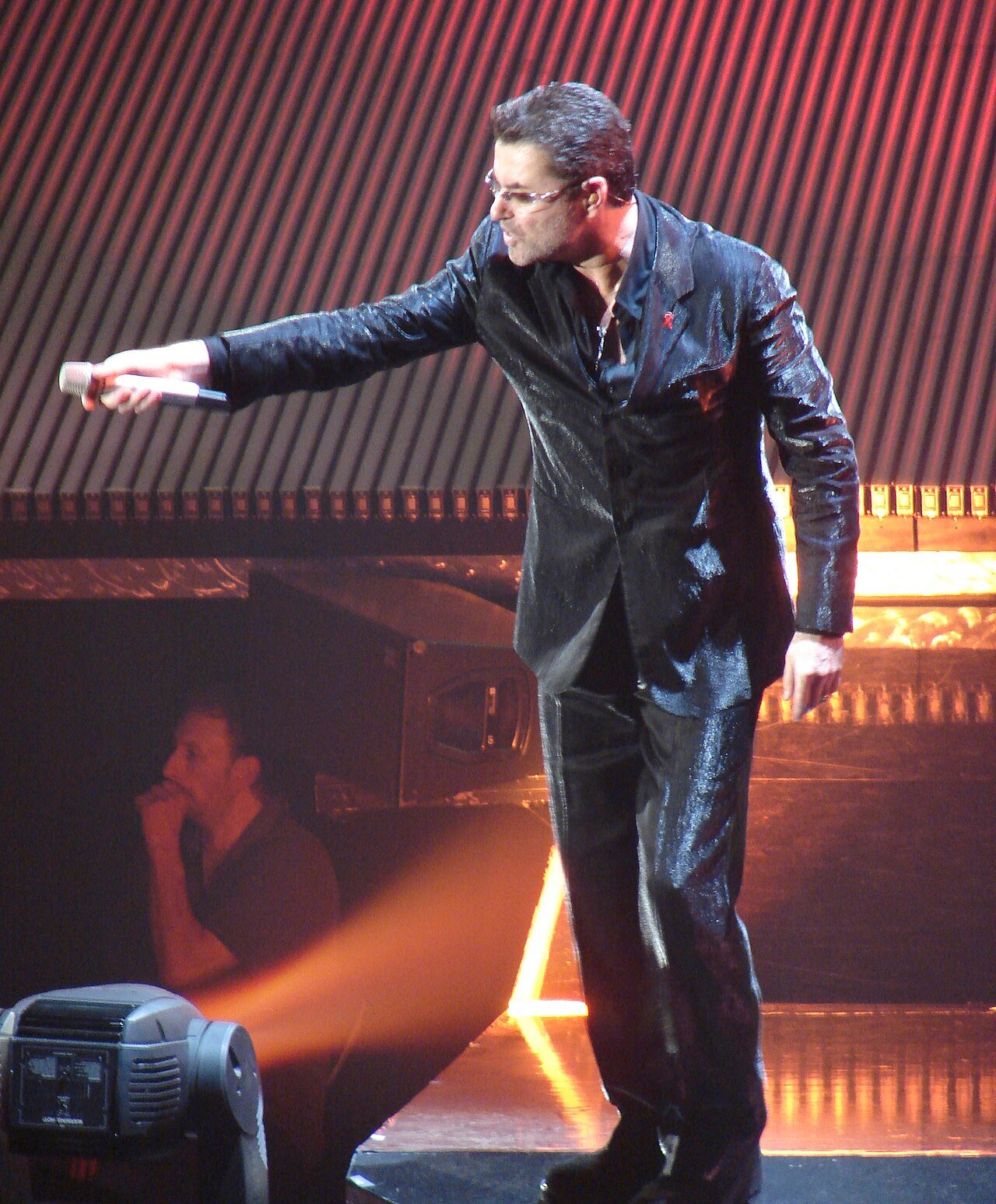
George Michael was a perfectionist who could spend weeks worrying over a single sound, and the defining album of his solo career, Faith, was built that way — written, produced and largely played by Michael himself across months of sessions in London and Denmark. Yet the record’s most naked moment arrived almost by accident. One day in 1987, work on another track was going badly. Michael abandoned it, sat down, and a slow, church-like ballad came out of him whole. He later told the television programme Countdown that he had written, recorded and finished the song in eight hours. “I think this is the best thing I’ve ever done,” he said in 1987. “It’s certainly my best vocal.” The song was One More Try, and the throwaway day produced a record that would top three American charts at once.
Eight Hours, Start to Finish
The speed matters because everything else about Faith was control. Michael, twenty-four years old and freshly out of Wham!, was determined to be treated as a serious artist, and he seized the means of production to prove it: songwriter, producer, arranger, and multi-instrumentalist on an album that moved from rockabilly pastiche to tough R&B without ever sounding like anyone else. One More Try stands apart from all of that calculation. By Michael’s own account, he was labouring over a different song that was, in his word, going disastrously, when the ballad simply arrived — melody, lyric and arrangement together. He wrote it, sang it and completed the recording the same day.
That spontaneity is in the finished record’s bones. One More Try is built on very little: a soft organ glow, a slow pulse, piano, and a voice placed so far forward that every breath is part of the performance. Where Faith and Father Figure work by seduction and design, this track works by exposure. It runs for nearly six minutes — five minutes and fifty-two seconds — and almost nothing in it repeats the way pop songs are supposed to repeat. Most remarkably, Michael withholds the title itself: the words “one more try” are sung only once, at the very end of the song, when the resistance the whole lyric has described finally gives way.
The Teacher and the Wound
The lyric is a negotiation with fear. The narrator is being drawn towards a new love and is pleading for gentleness, addressing the other person as “teacher” — the experienced one, the one who knows how this goes — while he casts himself as the pupil who has already learned too much about how love hurts. There are things, he admits, that he does not want to learn. Critics at the time, and listeners ever since, have heard the song as a young man’s account of entering a relationship while still bruised from the last one; Michael himself explained that it came from the emotions of starting something new while still stung by what had ended.
That emotional candour was doing quiet cultural work in 1988. Michael had not yet come out publicly, and would not for another decade, but the ballads on Faith — Father Figure before this one, and One More Try now — were teaching a mass audience to hear male vulnerability sung without armour. The gospel colouring of the music deepened the effect. Reviewers classified the record as blue-eyed soul and gospel-pop, and the classification fits: the organ, the slow build, the testifying vocal runs in the final minutes belong to the church, and the song’s drama is a conversion in reverse — not a sinner finding faith, but a guarded man deciding, against his own defences, to believe in somebody.
The Ballad That Refused to Shrink
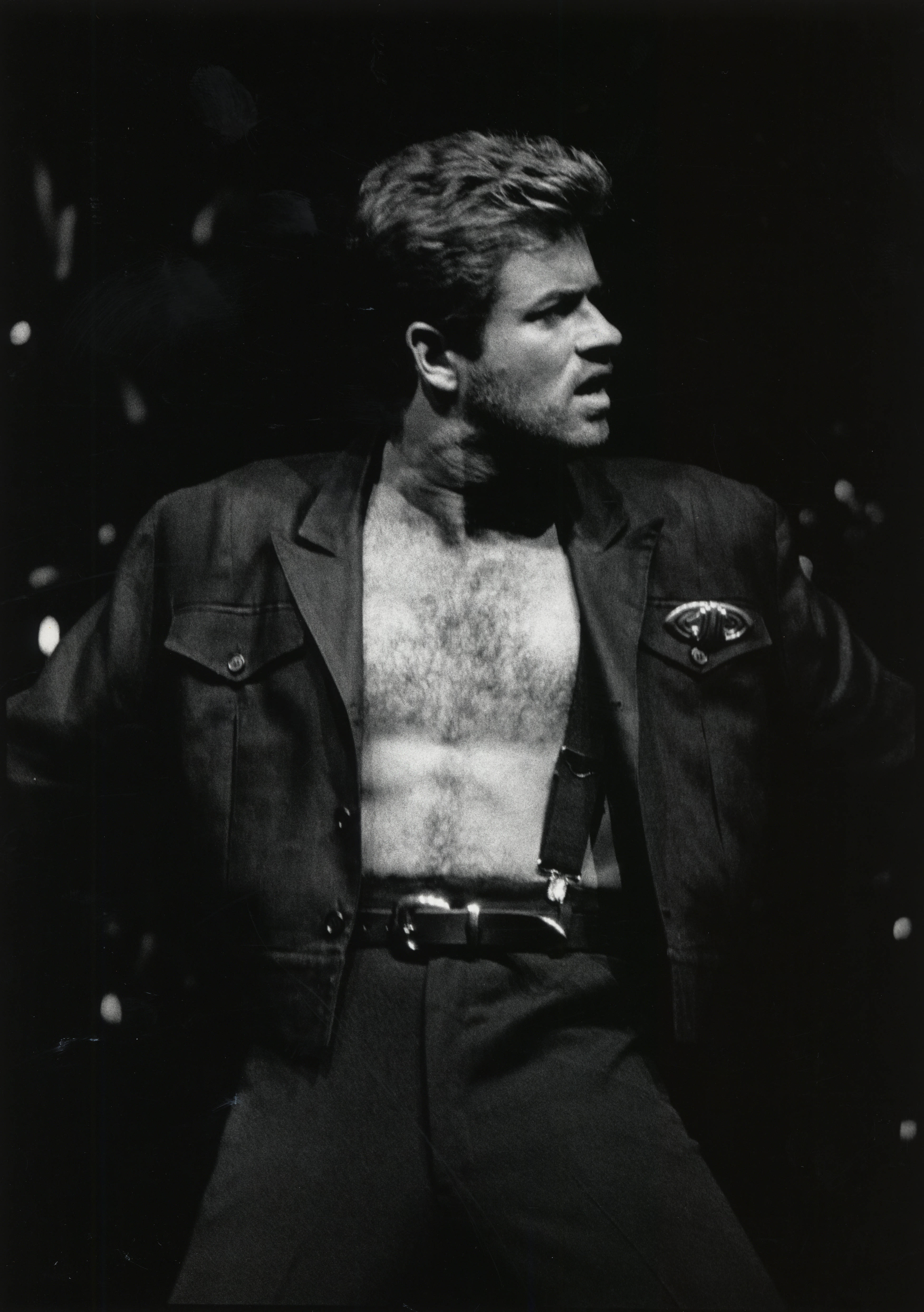
When Columbia Records prepared the single, the song presented an obvious problem. Ballads that run close to six minutes, with long instrumental breathing spaces and a title that appears only in the final line, are not what radio programmers ask for. The standard remedy would have been a shortened single edit. Michael declined to cut it. As Stereogum‘s history of the number ones records, he judged that shortening the song would throw off its structure — the entire record is one long inhalation, and trimming it would have broken the spell the slow build casts.
It was the confidence of a man who, by the spring of 1988, could afford to be right. Faith the album had been released the previous October and was in the middle of an extraordinary run. Its first three singles had already produced two American number ones in the title track and Father Figure, and the album would eventually yield four Hot 100 chart-toppers — a feat no British male solo artist had achieved from a single LP — on its way to sales of more than twenty-five million copies and the Grammy Award for Album of the Year.
Three Charts at Once
One More Try was released as a single on 11 April 1988, and it moved the way its music does: slowly, then completely. It debuted at No. 40 on the Billboard Hot 100 in the week of 16 April and climbed for seven weeks, reaching No. 1 on 28 May 1988, where it stayed for three consecutive weeks before Rick Astley’s Together Forever replaced it. In Britain it peaked at No. 8, respectable but modest next to its American conquest.
The American achievement was broader than the pop chart. One More Try simultaneously topped Billboard‘s Hot Black Singles chart — the R&B ranking — and the Hot Adult Contemporary chart, a triple crown that testified to how thoroughly Michael had absorbed the Black American music he grew up loving. A slow gospel-soul ballad by a twenty-four-year-old from London was, for three weeks in the spring of 1988, the number one record for pop, R&B and adult contemporary audiences at the same time. It was his third consecutive American number one from Faith, and his sixth Hot 100 chart-topper overall in a career that had begun, barely five years earlier, with Wham!

Tony Scott’s Empty Room
For the video, Michael stepped away from his regular director Andy Morahan and hired a filmmaker: Tony Scott, fresh from Top Gun and Beverly Hills Cop II. Scott filmed in Australia and gave the song the visual equivalent of its arrangement — almost nothing, held for a long time. Michael appears alone in an empty, dusty room, singing to camera while sunlight slants through the windows and curtains billow around him. The opening shot alone lasts minutes. Where the Faith video had sold an image — leather jacket, jukebox, stubble — this clip stripped the image away, leaving only a face and a voice, which was precisely the song’s argument: that underneath the most carefully constructed pop persona of the decade there was a singer who needed no machinery at all.
The Song That Kept Being Answered
One More Try stayed in Michael’s concert sets for the rest of his career, the point in the show where the production fell silent and the voice took over. Other singers kept answering it. The R&B group Divine took their version into the American charts as a single in 1999, and Mariah Carey — another artist who built a career on the gospel-ballad tradition the song draws from — recorded it for her 2014 album Me. I Am Mariah… The Elusive Chanteuse. Retrospective assessments of Michael’s catalogue routinely place it at or near the summit of his singing: the performance he himself, at twenty-four, already considered his best vocal.
There is a pleasing paradox in where the song came from. Faith was the album on which George Michael proved he could control everything — every credit line, every drum sound, every frame of the image. Its most enduring ballad was the one thing on it he did not control at all: a song that arrived in a single day, while another song was failing, and was finished before he had time to second-guess it. He spent the rest of the album showing the world what he could build. On One More Try, for eight unrepeatable hours, he simply showed it what he could feel.
Leave a Reply