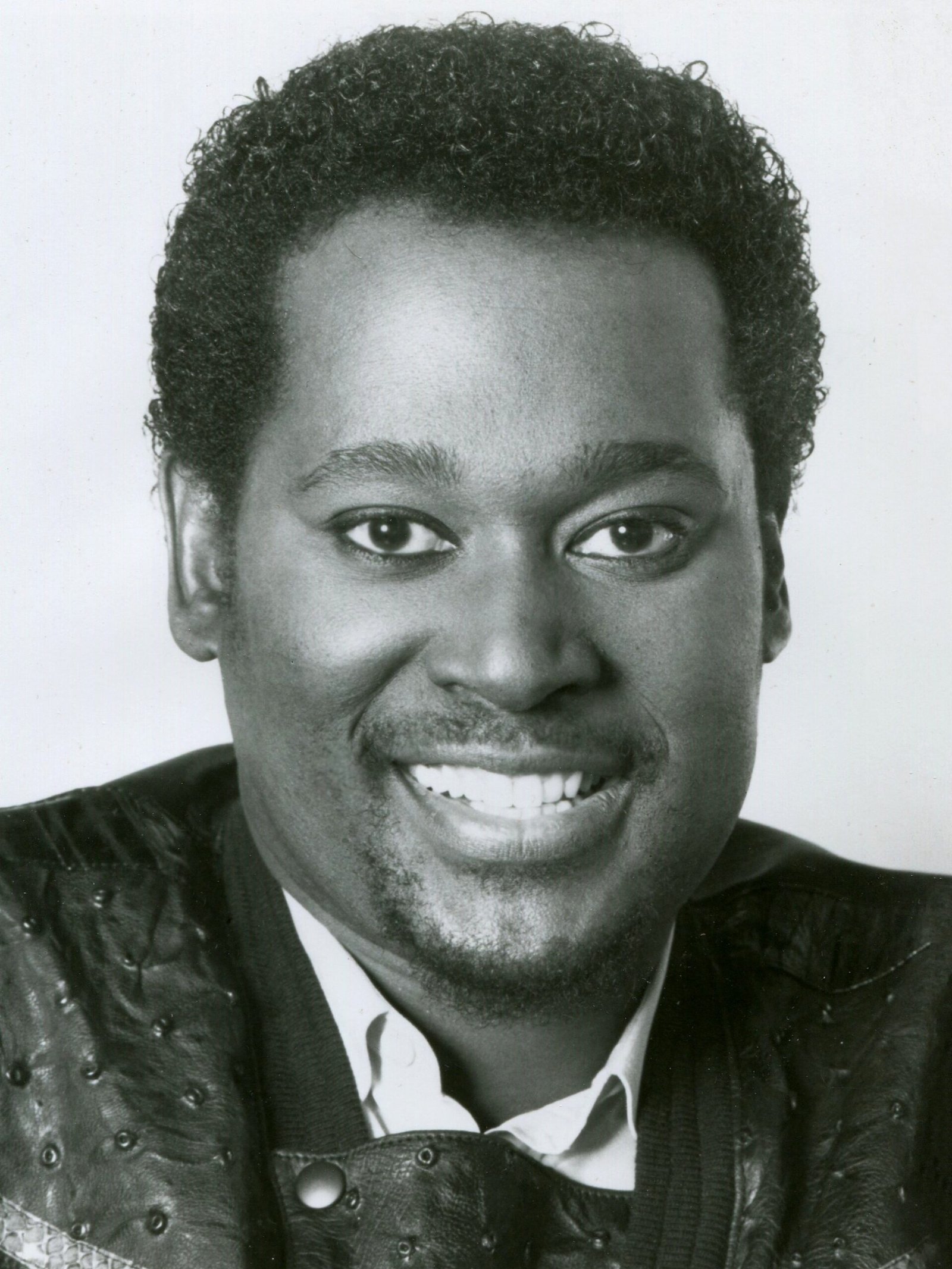
The lights were low, the occasion was a tribute, and in the front rows sat Dionne Warwick — the woman whose records had taught a teenage Luther Vandross what singing could be. Vandross walked to the microphone at the 1988 NAACP Image Awards and began, very slowly, to sing Warwick’s own song back to her: A House Is Not a Home, a Burt Bacharach and Hal David ballad she had recorded in 1964 and he had rebuilt, seven years earlier, into the closing track of his debut album. By the end, Warwick was in tears, and the performance had entered legend as perhaps the greatest single live vocal of Vandross’s career.
It was the fulfilment of a fan’s vow. Of all the songs Vandross might have chosen to announce himself on his first solo album in 1981, he saved the final, longest place for the one song he did not write — a song by his idol, which he stretched from three minutes to seven and turned into a sermon on loneliness that no singer since has dared to follow him into.
A Chair Is Still a Chair: The 1964 Original
Bacharach and David wrote A House Is Not a Home for the 1964 film of the same name, a drama starring Shelley Winters and Robert Taylor. The version heard in the film was sung by Brook Benton, but the recording that fixed the song in the repertoire was made across town in New York by a twenty-three-year-old Dionne Warwick, at Bell Sound Studios. Released on the flip side of her hit You’ll Never Get to Heaven (If You Break My Heart), Warwick’s single charted in its own right, peaking at No. 71 on the pop chart in the summer of 1964.
Like the best Bacharach–David songs, it is a small masterpiece of indirection. Hal David’s lyric never mentions a broken heart outright. Instead it inventories an emptied house: a chair is still a chair even when no one is sitting there; a room is still a room even when it is empty; a house, the title concludes, is not a home when the person you love is gone. Warwick sang it in just over three minutes, cool and precise, letting the ache accumulate beneath the polish.
The song became a standard almost at once, recorded by Ella Fitzgerald, Sonny Rollins and many others. But in a house in New York, a young Luther Vandross was listening to Warwick’s records with the intensity other boys reserved for sport, memorising every breath. He would later say that Warwick was the singer who made him want to sing. When his own chance finally came, he knew exactly which of her songs he intended to claim.
The Fan in the Background
Vandross’s road to a solo album was famously long. Through the 1970s he was the background singer’s background singer: he sang on Sesame Street as a teenager with the group Listen, My Brother, arranged vocals, wrote jingles, and lent his unmistakable tone to records by Chic, Sister Sledge, Diana Ross, Barbra Streisand and David Bowie, as well as fronting the studio group Change. On Bowie’s Young Americans he did more than harmonise — he helped reshape a song into Fascination and earned a writing credit, while his lead vocal on Change’s The Glow of Love in 1980 became a club favourite that finally convinced executives his voice could carry a record by itself. Producers hired him because he could make any voice around him sound better, yet labels kept deciding that the velvet voice itself was not a solo proposition.
When Epic Records finally let him make Never Too Much, released on August 12, 1981, Vandross produced it himself and wrote nearly everything on it. The title track, a joyous dance record, topped the Black Singles chart for two weeks and announced a major new artist. Then, at the very end of the album, he placed the song he had been carrying since adolescence — the only track on the record he had not written.

Seven Minutes at the End of the Album
Everything about Vandross’s A House Is Not a Home is a reversal of the original. Where Warwick was brisk, he is almost motionless. Where Bacharach’s arrangement was urbane pop, Vandross rebuilt the song as slow-burning soul, opening in near-whisper and letting the arrangement gather piano, strings and backing voices around him like a congregation. The running time tells the story: Warwick needed 3 minutes and 8 seconds; Vandross took 7 minutes and 7 seconds, and not a bar of it feels padded.
He sang it as drama. The lyric’s empty rooms became sets he walked through, pausing on single words, dropping into the famous low rumble at the bottom of his range, then rising to plead with an absent lover who exists, by then, only as an echo in the furniture. Because Vandross produced and arranged the record himself, every layer answers to his own ear: the backing voices enter like mourners who already know the story, and his lead vocal is left exposed in front of them, unhurried and unprotected. Critics reached for words like “epic”, and the track, buried at the end of a debut album, became one of his signature songs — the performance by which other singers measured themselves, and usually decided not to compete.
In concert he stretched it further still, expanding the song to ten or fifteen minutes, ad-libbing greetings and goodbyes to the departing lover while audiences sat transfixed. It became the still centre of his shows: the dance hits made the crowd stand up, but A House Is Not a Home made it hold its breath.
Producing His Idol, Then Singing to Her
The story has a second act that no novelist would dare invent. In 1983, just two years after his debut, Vandross was invited to produce an album for Dionne Warwick herself — How Many Times Can We Say Goodbye — and to duet with her on its title track. The teenage fan who had studied her phrasing from the cheap seats was now in the control room, directing her. Warwick, generous about the debt, later wrote in her autobiography that his version of A House Is Not a Home was so beautifully done that she was at a loss for words.
Then came the night at the NAACP Image Awards in 1988, when Vandross performed the song as a tribute with Warwick seated before him. The cameras caught what everyone in the room felt: the student singing the master’s song back to her, more slowly and more completely than anyone had ever sung it, while the master wiped her eyes. It remains one of the most replayed live performances in all of R&B — a seven-minute masterclass that began, fittingly, as an act of fandom.

The House Everyone Keeps Visiting
The song never stopped travelling. A new generation met Vandross’s recording when Kanye West and Twista built the 2003 hit Slow Jamz around a sample of it, name-checking Vandross in the lyric as the patron saint of the form. And when Vandross died in 2005, it was the NAACP performance — the slow walk through the empty house, sung to the woman who had first shown him the way in — that admirers reached for to explain what had been lost. Singers continue to approach the 1981 recording the way actors approach Hamlet: as the interpretation that must be answered, and almost always conclude that it cannot be bettered, only survived.
That is the peculiar triumph of A House Is Not a Home. Bacharach and David wrote a standard; Warwick gave it elegance; but it took a background singer who had spent a decade in other people’s choruses to find the cathedral inside it. Vandross did not cover the song. He moved in, turned the lights down, and lived there — and forty years on, the house is still his.
Leave a Reply