-
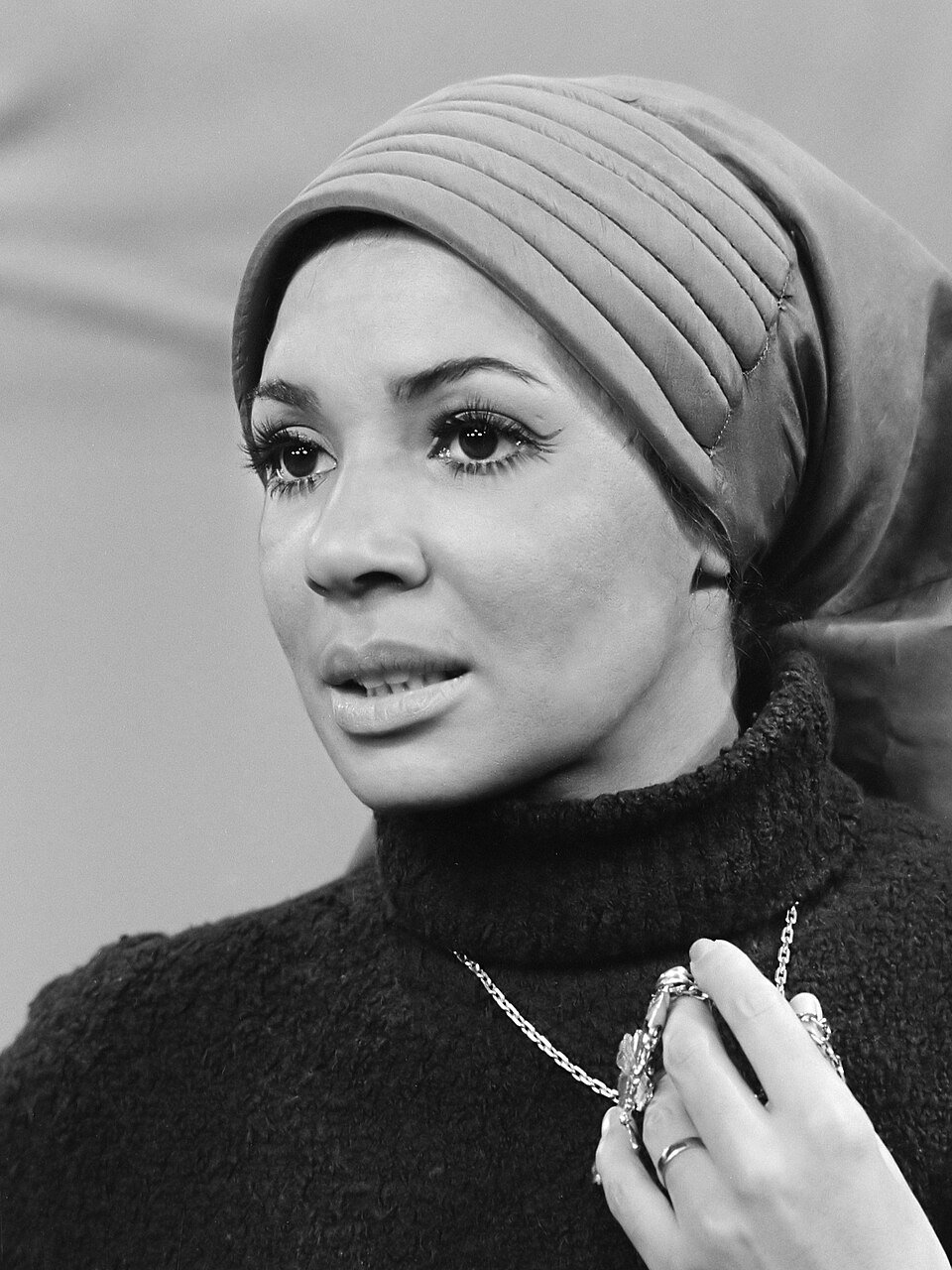
How Shirley Bassey Made ‘Big Spender’: The Chorus-Line Taunt She Stole for Herself
The record lasts one minute and forty-eight seconds. That is all Shirley Bassey needed. In September 1967, the Welsh singer took a song that had been written for a whole line of Broadway chorus girls — a teasing, hip-swaying come-on delivered by a row of jaded dance-hall hostesses — and compressed it into a single…
-
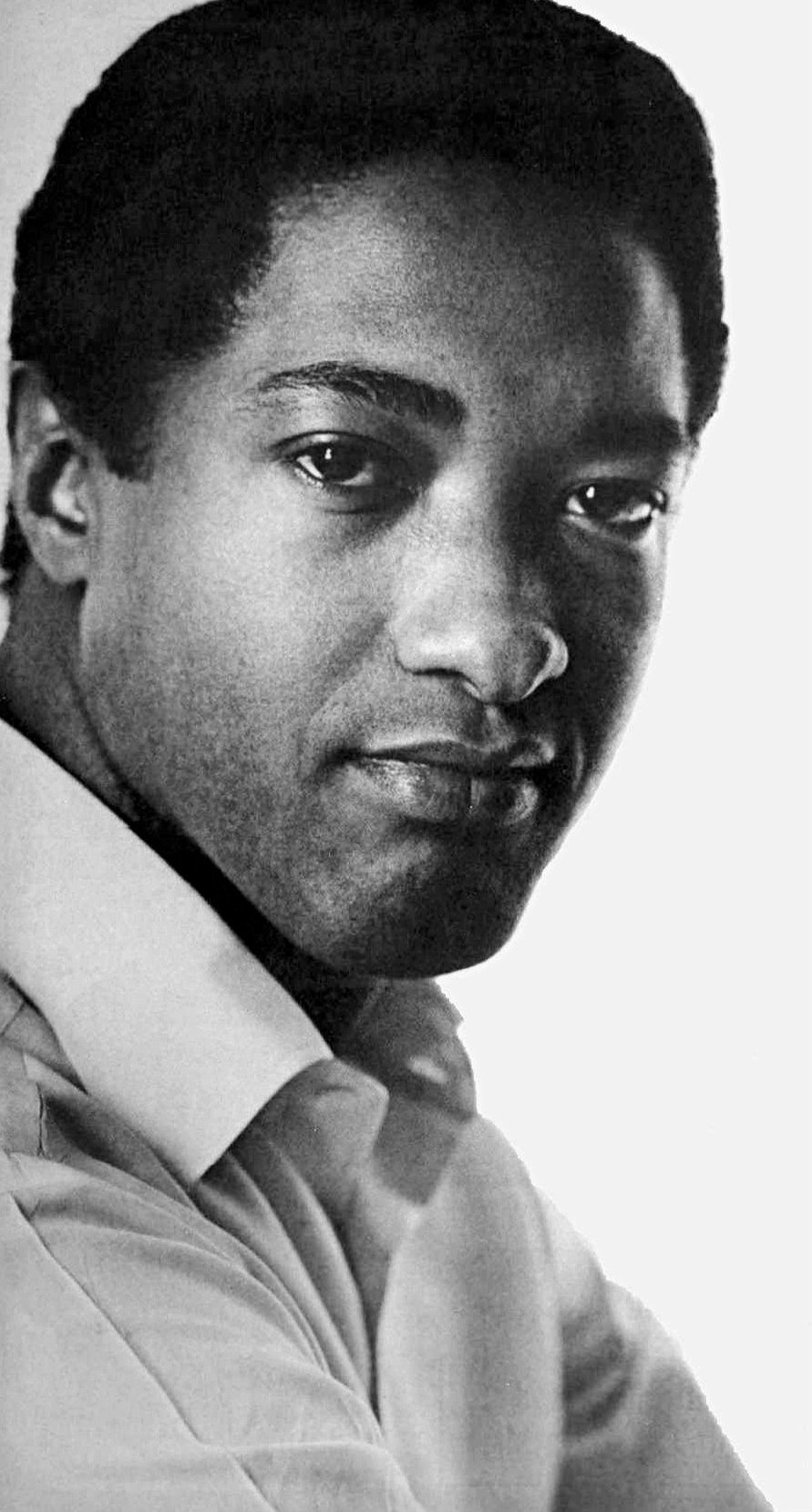
How Sam Cooke Made ‘Bring It On Home to Me’: The Gospel Homecoming He Hid on a B-Side
On 26 April 1962, Sam Cooke walked into RCA’s Studio 1 in Hollywood and threw what everyone present remembered as a party. Friends crowded the floor, outtakes dissolved into laughter, and the engineer, Al Schmitt, would recall that everybody was simply having a ball. Out of that loose, happy session came two songs recorded the…
-
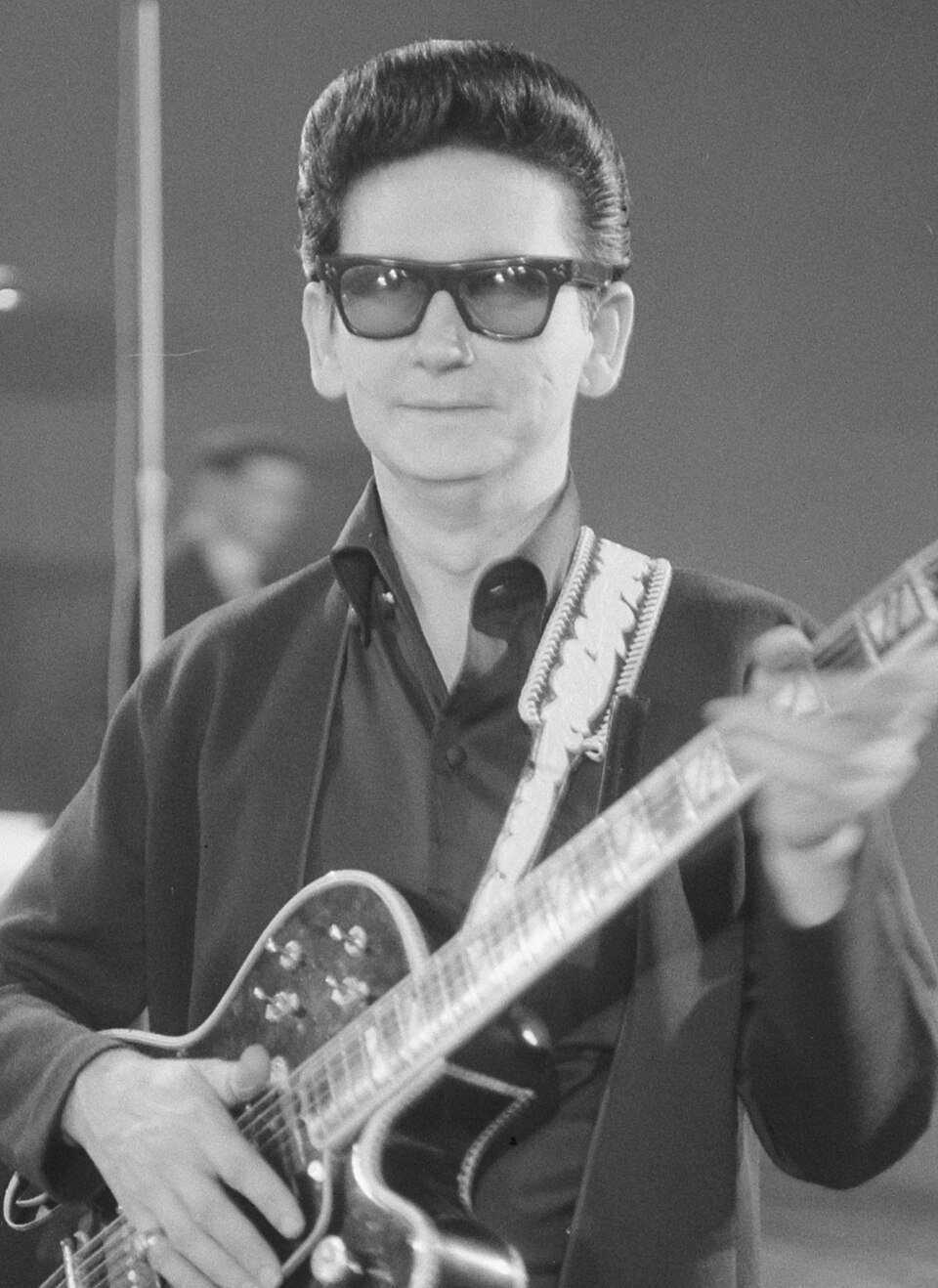
How Roy Orbison Made ‘In Dreams’: The Song That Arrived While He Slept
Roy Orbison said that he often heard music in his sleep, and that the trick was simply to wake up in time to write it down. One night in late 1962 the music that came to him was stranger than most: a lullaby about a candy-coloured clown called the sandman, a dream of a lost…
-

How Rod Stewart Made ‘Sailing’: The Only Song He Ever Recorded Sober
Rod Stewart has a pre-show ritual older than most of his audience: a drink to settle the nerves before he sings. He has followed it in studios and on stages for over fifty years, with exactly one exception. The exception became the biggest-selling single of his career in Britain — a hymn of homesickness recorded…
-
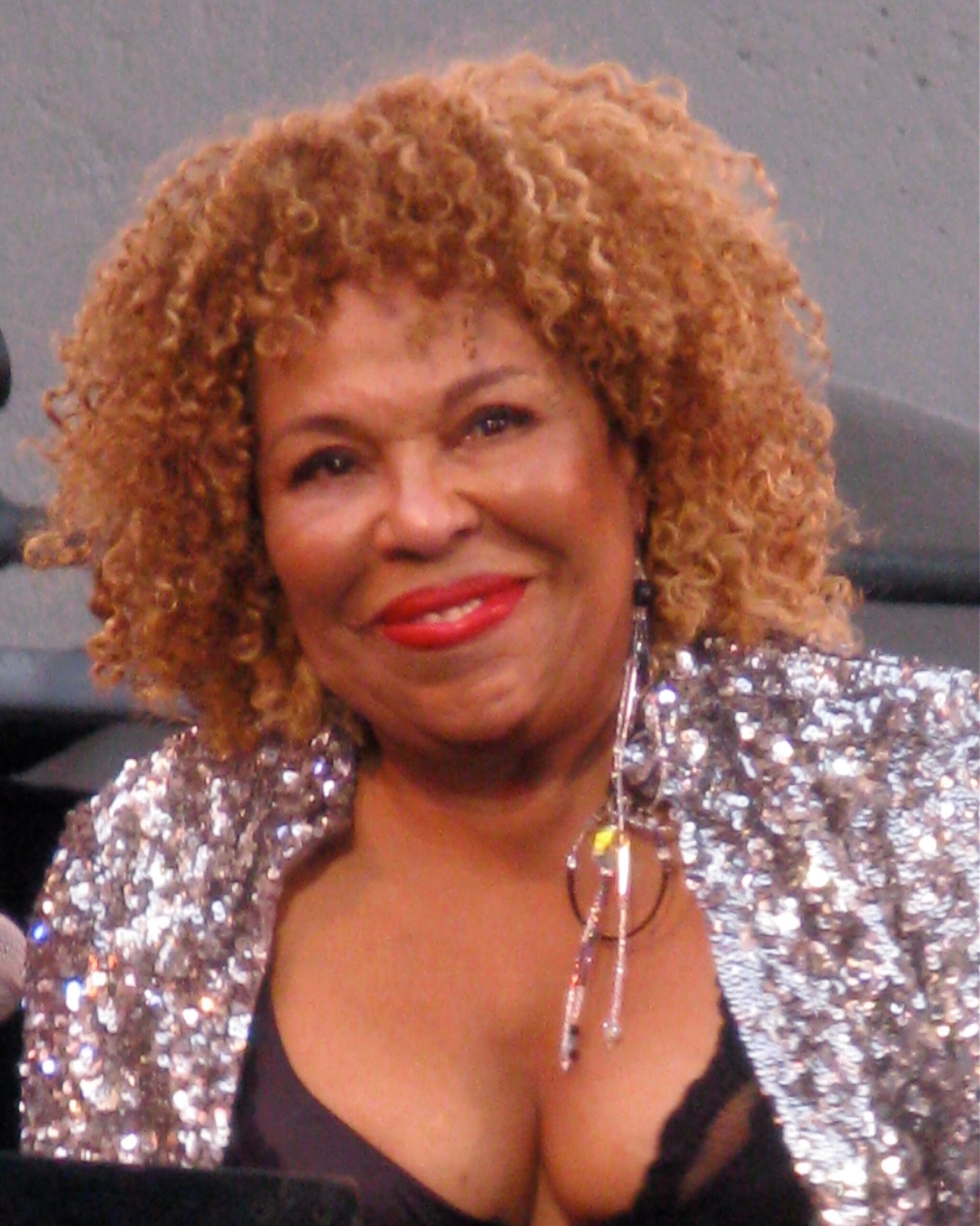
How Roberta Flack Made ‘Feel Like Makin’ Love’: The Offhand Remark That Became Her Third Number One
Some hit songs are laboured over for months. Feel Like Makin’ Love began as a sentence spoken on a doorstep. In the early 1970s the singer-songwriter Eugene McDaniels had lent his in-laws’ cabin at Lake Arrowhead, California, to himself, his family and his assistant, Morgan Ames, for a short break. After a single day, Ames…
-

How REO Speedwagon Made ‘Time for Me to Fly’: The Song That Took Ten Years to Leave the Ground
Every long-running band has one song that refuses to die — and usually it is not the one the charts anointed. For REO Speedwagon, the song that outlasted all their number ones began life around 1970, in Boulder, Colorado, where a college freshman named Kevin Cronin was trying to walk away from his high-school sweetheart…
-
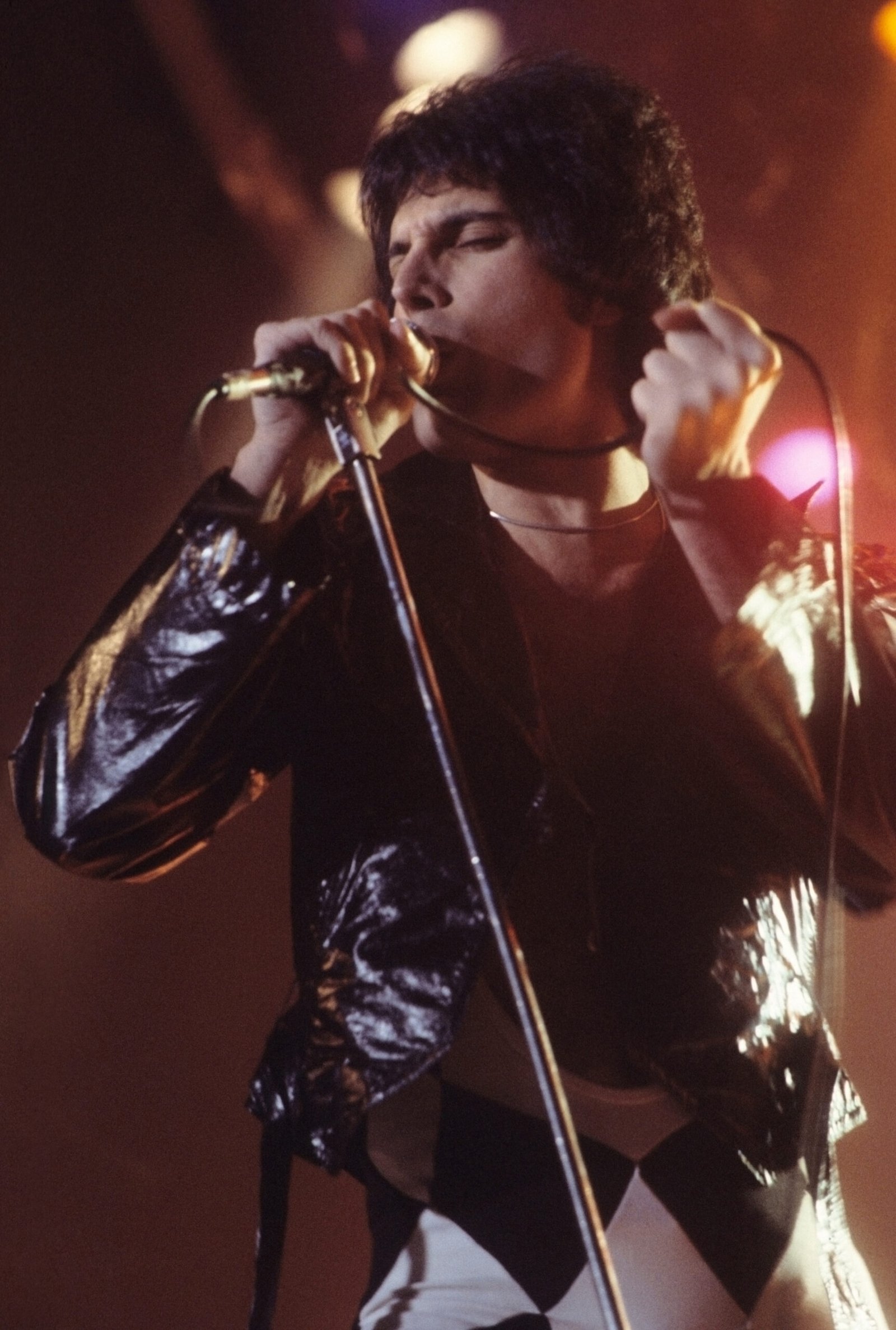
How Queen Made ‘Somebody to Love’: The Gospel Prayer Freddie Mercury Built From Three Voices
It begins with a single voice asking a question in the dark. “Can anybody find me somebody to love?” Freddie Mercury sings it almost alone, his piano underneath him, and within seconds the answer comes back like a congregation rising to its feet — a huge, swaying gospel choir, dozens of voices strong, except that…
-
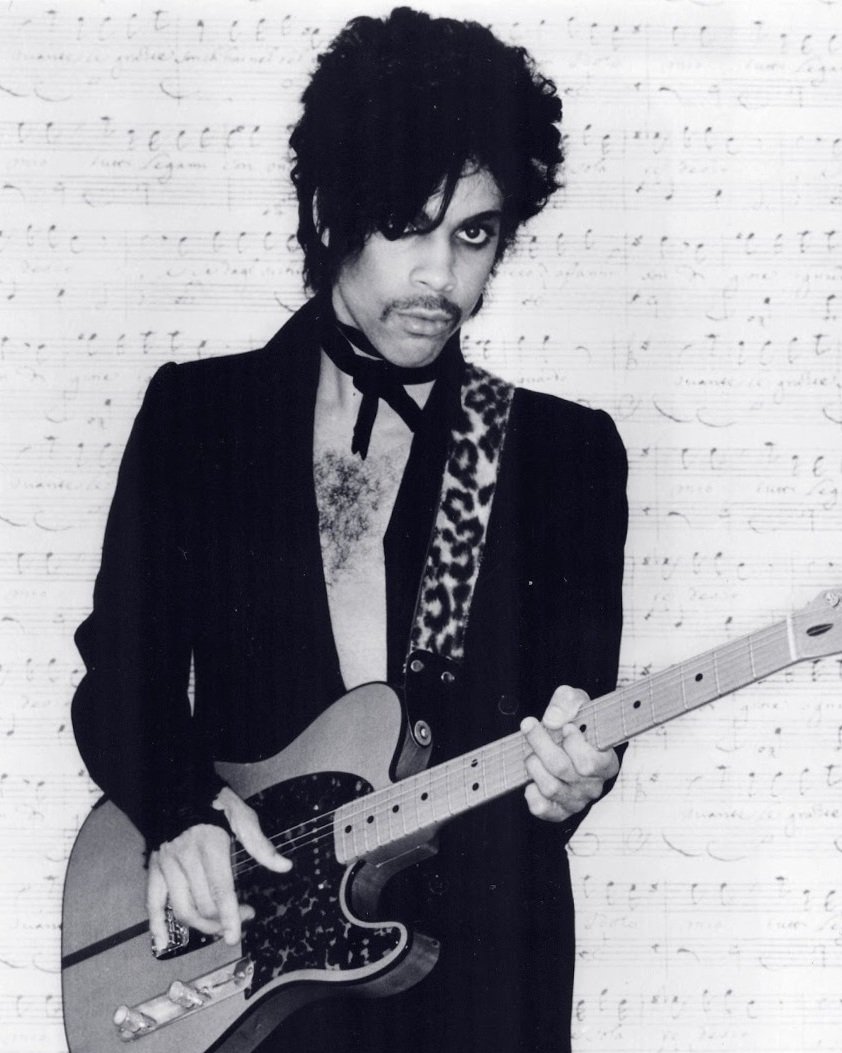
How Prince Made ‘Little Red Corvette’: The Dream He Had in a Pink Mercury
The most famous car in Prince’s catalogue was never a Corvette, and it was not red. It was a pink-and-white 1964 Mercury Montclair Marauder, a vast vintage cruiser belonging to Lisa Coleman, the keyboard player in his band. In the spring of 1982, Prince was working the punishing hours that were already his trademark, recording…
-
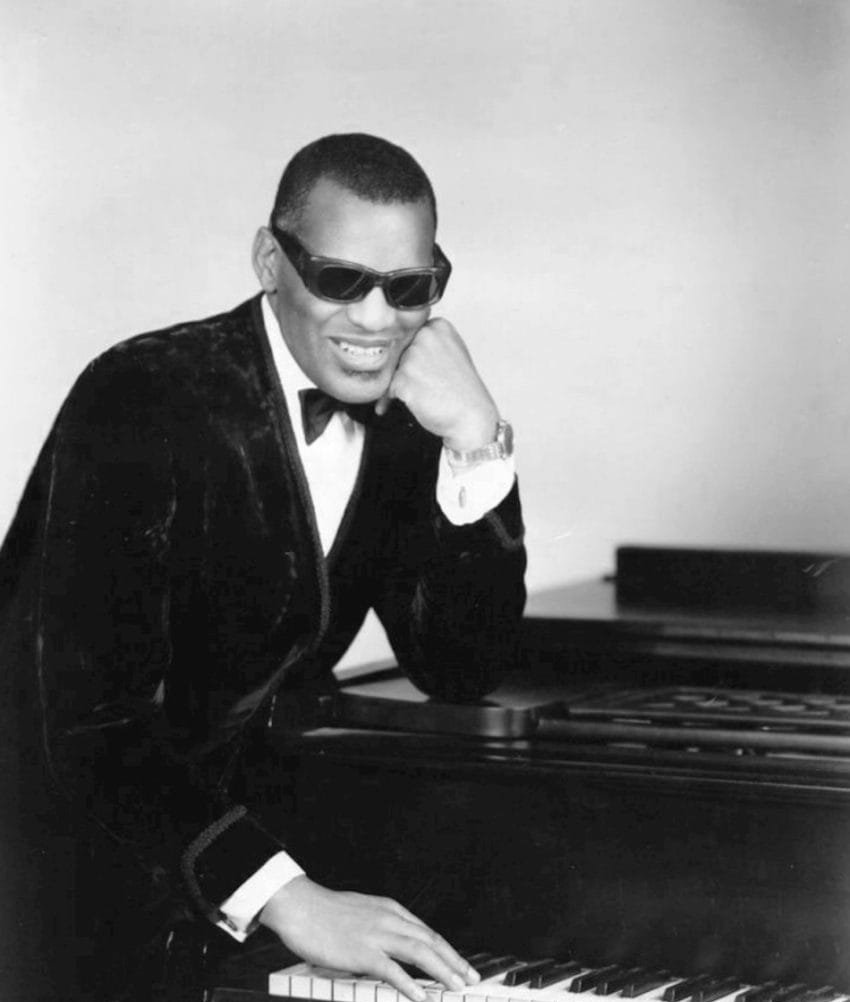
How Ray Charles Made ‘I Got a Woman’: The Gospel Song He Stole From the Radio and Turned Into Soul
In the summer of 1954, Ray Charles was a twenty-three-year-old pianist grinding through one-night stands in the segregated South, still best known — where he was known at all — for smooth records imitating Nat King Cole and Charles Brown. Atlantic Records had signed him in 1952, but nothing had quite caught. Then, on the…
-
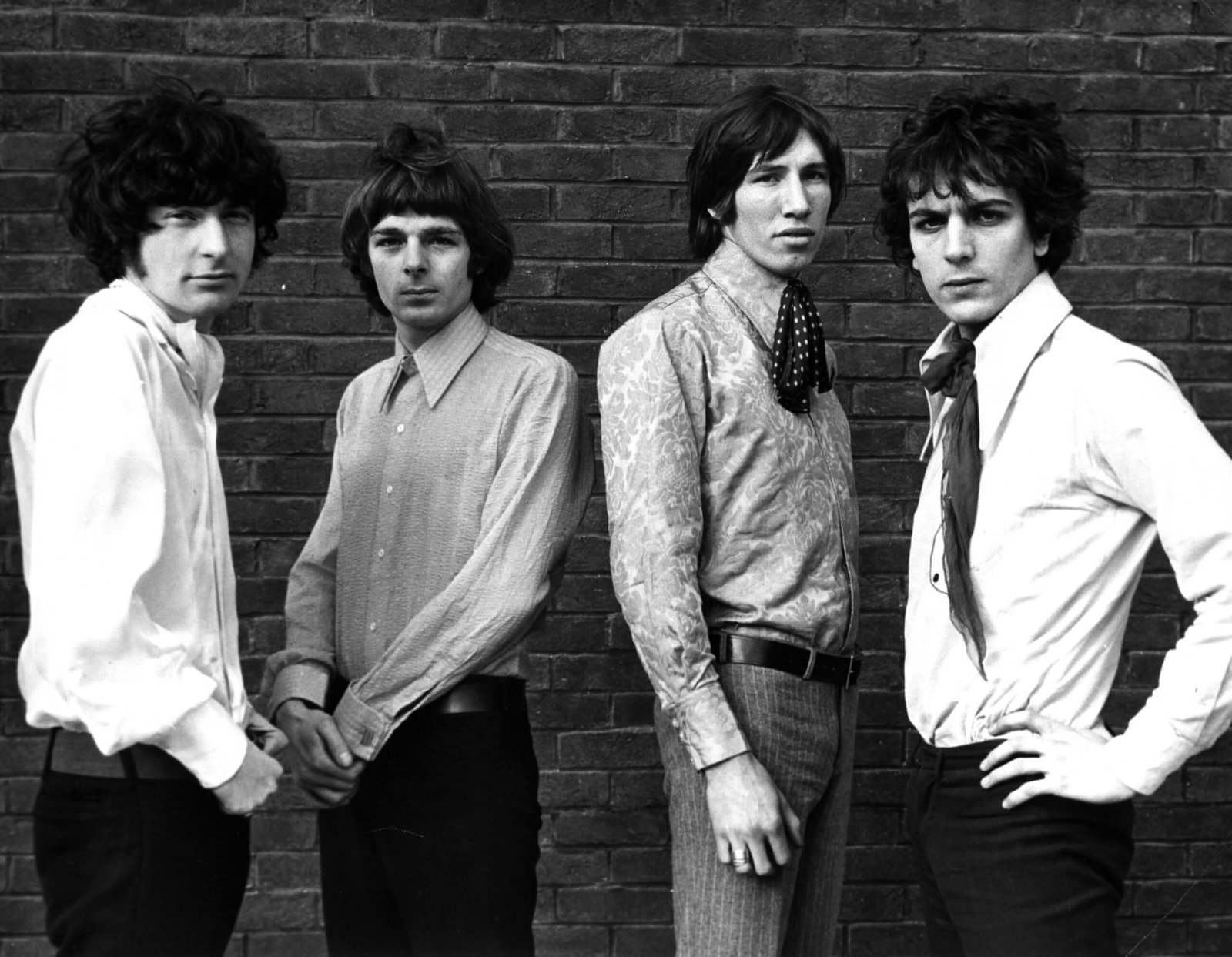
How Pink Floyd Made ‘Arnold Layne’: The Washing-Line Thief Who Launched a Band
Most bands announce themselves with a love song or a statement of intent. Pink Floyd announced themselves with a miniature character study about a man who stole women’s underwear from washing lines in Cambridge. “Arnold Layne,” released on 10 March 1967, was the group’s first single, and remains one of the most improbable debuts in…