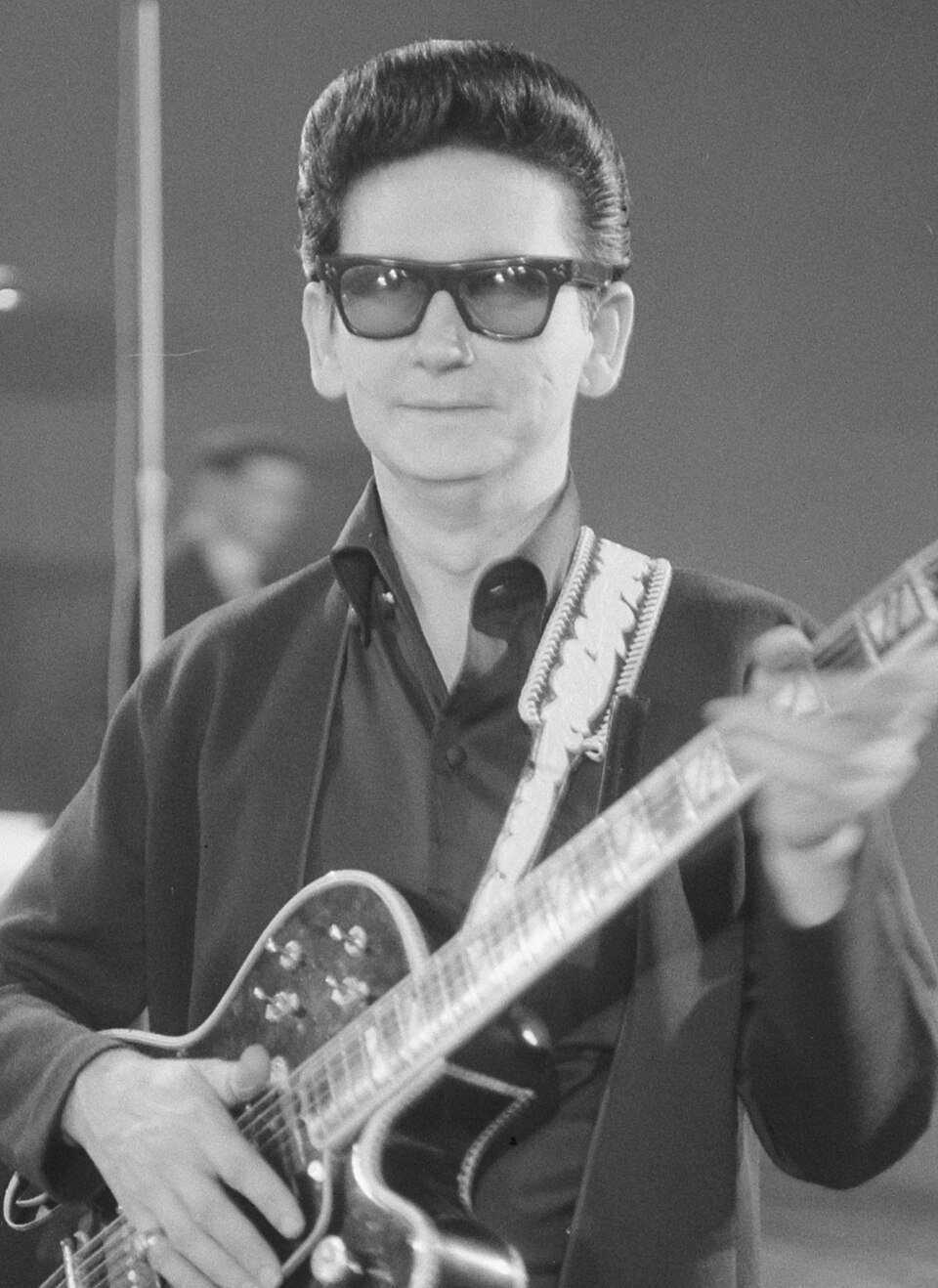
Roy Orbison said that he often heard music in his sleep, and that the trick was simply to wake up in time to write it down. One night in late 1962 the music that came to him was stranger than most: a lullaby about a candy-coloured clown called the sandman, a dream of a lost lover, and a melody that refused ever to repeat itself. He got up the next morning and wrote the whole composition in twenty minutes. The song was In Dreams, and it remains the most perfectly constructed two minutes and forty-eight seconds of his career — a pop single built like an aria, by a man who claimed merely to have transcribed his own unconscious.
Within a year it was a transatlantic hit. Within a generation it had been seized by a film director, turned into the favourite song of a psychopath, and handed back to its astonished creator as the instrument of his resurrection.
Twenty Minutes After Waking
Orbison wrote In Dreams alone, without his usual collaborator Joe Melson, and its solitude is in the design. Where his earlier hits such as Running Scared had broken pop’s rules daringly, In Dreams abandons the rulebook altogether. It is through-composed: seven distinct musical movements flow one into the next, and no section is ever repeated. Analysts map it as Intro-A-B-C-D-E-F, a form closer to a miniature opera scene than to the verse-chorus machinery of 1963 pop radio.
It opens in near-whisper, Orbison half-speaking over tiptoeing guitar as the sandman tiptoes into the room. Think about what a strange way that is to begin a commercial single in 1963: no beat, no hook, no title sung — just a stranger’s voice murmuring about a candy-coloured clown, trusting the listener to lean in. Orbison could take that risk because the song’s architecture guaranteed the payoff. Each movement raises the stakes of the one before, the way a dream intensifies as it deepens, so that by the time the arrangement finally opens its lungs the listener has been carried somewhere a repeated chorus could never have taken them. Drums and piano gather as the dream deepens; breathy backing singers and strings drift around the melody like figures in the sleeper’s mind. Then, midway, the music stops dead and a staccato drum tattoo snaps him awake — she is gone, it was only a dream — and the voice begins its famous climb, across two octaves, into a crescendo of pure grievance before the record ends as suddenly as a sleeper jolting upright. Nothing in it can be hummed back as a “chorus”, because there isn’t one. You do not remember In Dreams in pieces. You remember it as weather.
Studio B, 4 January 1963
Orbison recorded the song at RCA’s Studio B in Nashville on 4 January 1963, with Monument Records owner Fred Foster producing. Foster’s gift, across the Orbison catalogue, was framing: he understood that this shy Texan in black needed orchestral settings rather than a rock band’s clutter, and on In Dreams the arrangement is a masterclass in patience — every instrument enters as if on tiptoe, saving its force for the awakening.
Released by Monument as a single in February 1963, In Dreams climbed to number 7 on the Billboard Hot 100 and number 6 in Britain, where it charted for five months while Orbison toured the country sharing bills with a rising group called the Beatles. It topped the charts in Ireland and Australia, and that July it gave its name to his fourth album, which itself reached the British top ten — an album that also carried Blue Bayou and Mean Woman Blues, riches almost beyond fairness for a single LP. By any normal measure, its story was complete: a dream, faithfully transcribed, become a hit.
The Tour With the Beatles
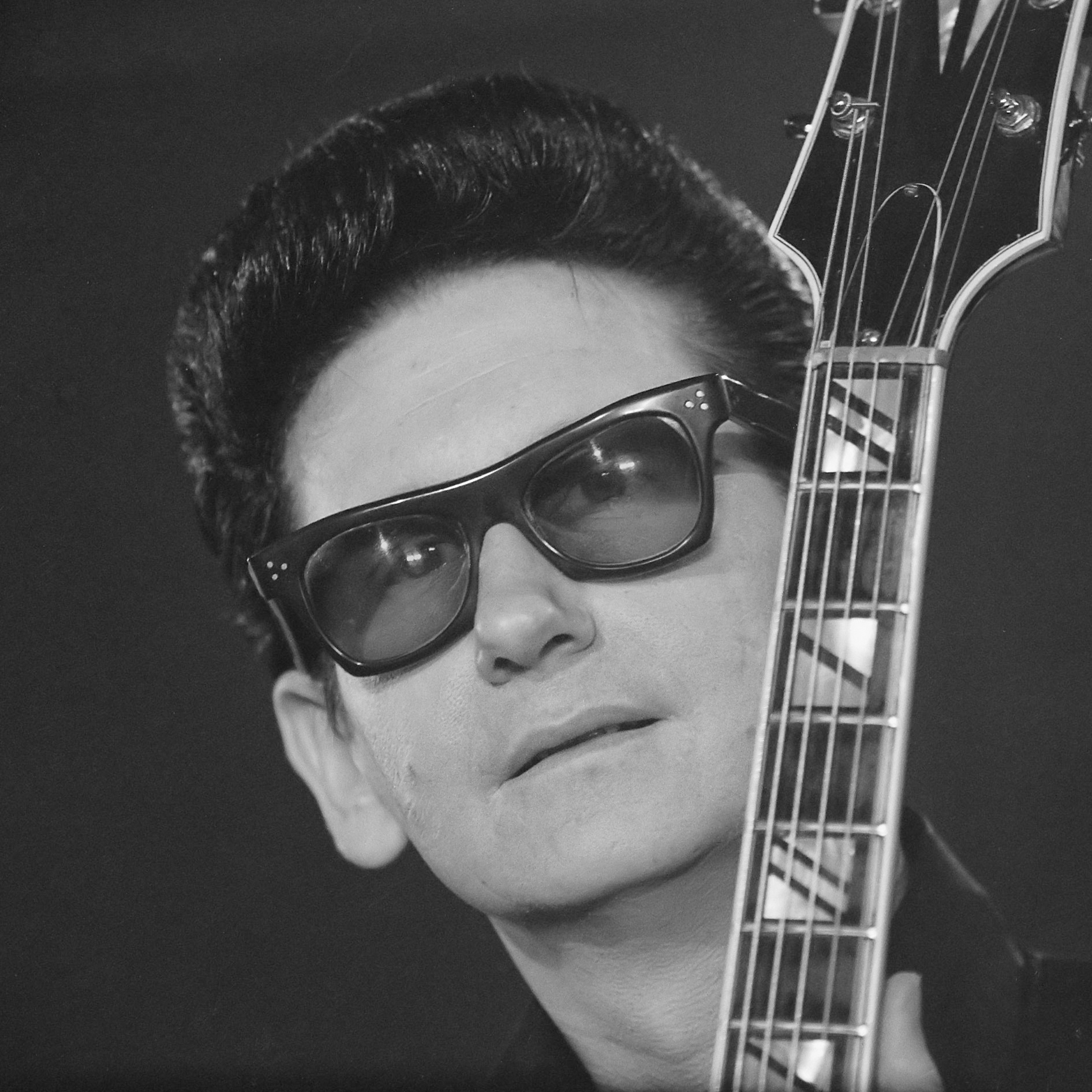
The British chapter of the song’s first life deserves its own paragraph, because of the company it kept. In May 1963 Orbison returned to Britain as the headliner of a package tour on which the fast-rising Beatles were also billed. It was the last moment in pop history when such a billing made sense. Orbison, motionless behind his dark glasses, would reduce halls to silence and then to frenzy with nothing but that voice — John Lennon, by Orbison’s own later telling, asked him backstage how he did it, how he commanded encores while standing perfectly still. The answer was In Dreams and records like it: drama without movement, climax without choreography. While the tour played, the single held its place on the British chart for five months — an eternity for 1963 — as the support act rewired the world around the headliner.
The Clown Returns
Orbison’s career did not hold its altitude. Through the late 1960s and 1970s the hits stopped, tragedy visited his family, and the owner of the most majestic voice in pop became an oldies-circuit act. In Dreams slept in the catalogue, beautiful and half-forgotten.
Then, in 1986, director David Lynch released Blue Velvet — and used the song, without Orbison’s prior knowledge, as the obsession of Frank Booth, the gas-huffing psychopath played by Dennis Hopper. Booth calls it “Candy Colored Clown” and demands it again and again. In the film’s most infamous scene, his henchman Ben, played by Dean Stockwell, lip-syncs the record into a work light while Booth weeps — moments before the song soundtracks a savage beating, played from a car stereo in the dark.
Orbison was, by his own account, astonished and at first upset: his tender dream of lost love had been made the anthem of a monster. But he went back and watched the film again, and something shifted. Lynch’s use, he came to feel, had added a whole new dimension to the song — the dream curdled into nightmare was, after all, already inside it. The lullaby had always had teeth.
A Whole New Dimension
The consequences were practical as well as poetic. Blue Velvet put Orbison’s name in front of a generation that had never bought his records, and in 1987 he released In Dreams: The Greatest Hits, an album of re-recorded classics titled after the song the film had revived. The song even began generating new Orbison music: U2’s Bono, having fallen asleep with In Dreams in his ears after watching Lynch’s film, woke with a melody in his head and turned it into She’s a Mystery to Me — written for Orbison, and in time the title track of his posthumous comeback album. One dream-song had quite literally dreamed another into existence. Within two years he was a Traveling Wilbury, a Rock and Roll Hall of Fame inductee and the possessor of a top-five comeback album. The revival that carried him, triumphant, to the end of his life in December 1988 began with a song he had not even been consulted about.
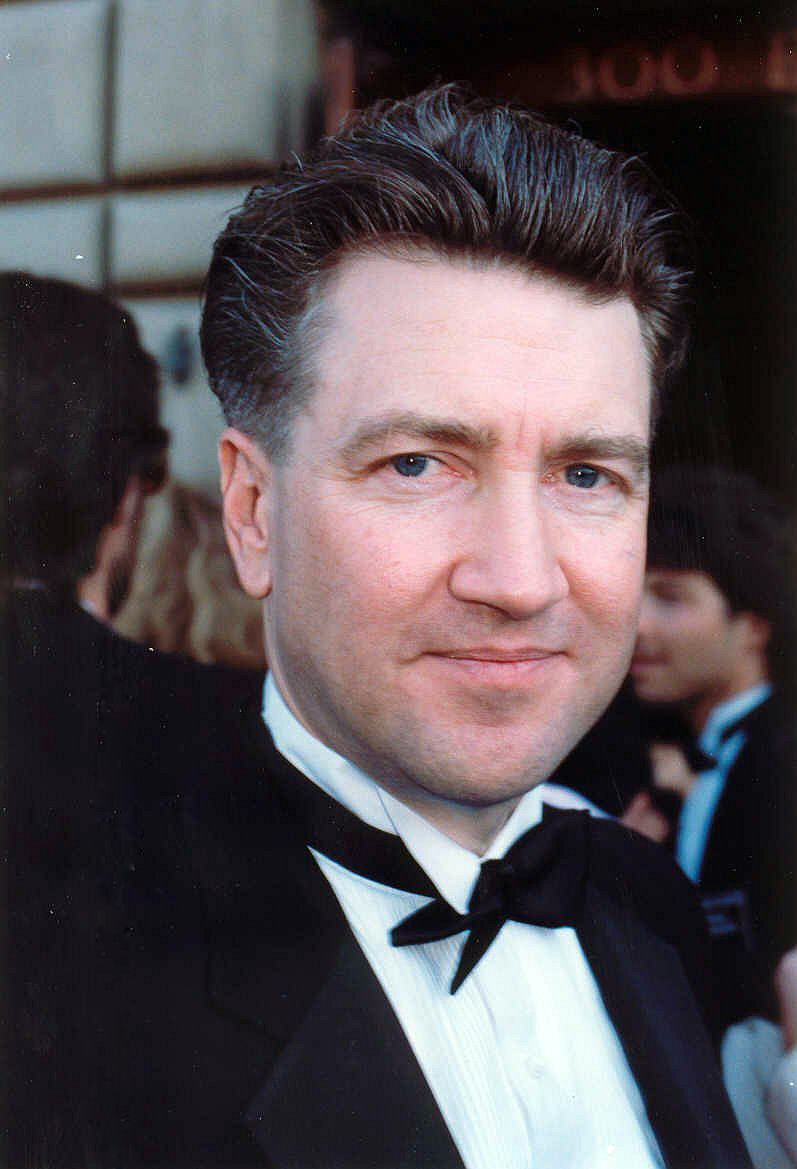
He never stopped performing it. When Bruce Springsteen inducted Orbison into the Rock and Roll Hall of Fame in January 1987, he confessed that in making his own records he had wanted words like Dylan’s and production like Phil Spector’s — but most of all, he had wanted to sing like Roy Orbison. In September 1987, at the Cocoanut Grove in Los Angeles, Orbison sang In Dreams for the all-star concert film A Black and White Night, flanked by admirers from Springsteen to Elvis Costello — and that hushed, immaculate performance, seen above, may now be the song’s definitive screen life. A song written in twenty minutes on a morning in 1962, in the borderland between sleeping and waking, had outlasted its chart run, its singer’s eclipse and its own kidnapping by Hollywood. In dreams, Orbison walks with his lost love. In reality, the song walks on without him — exactly as he transcribed it, never repeating itself.
Leave a Reply