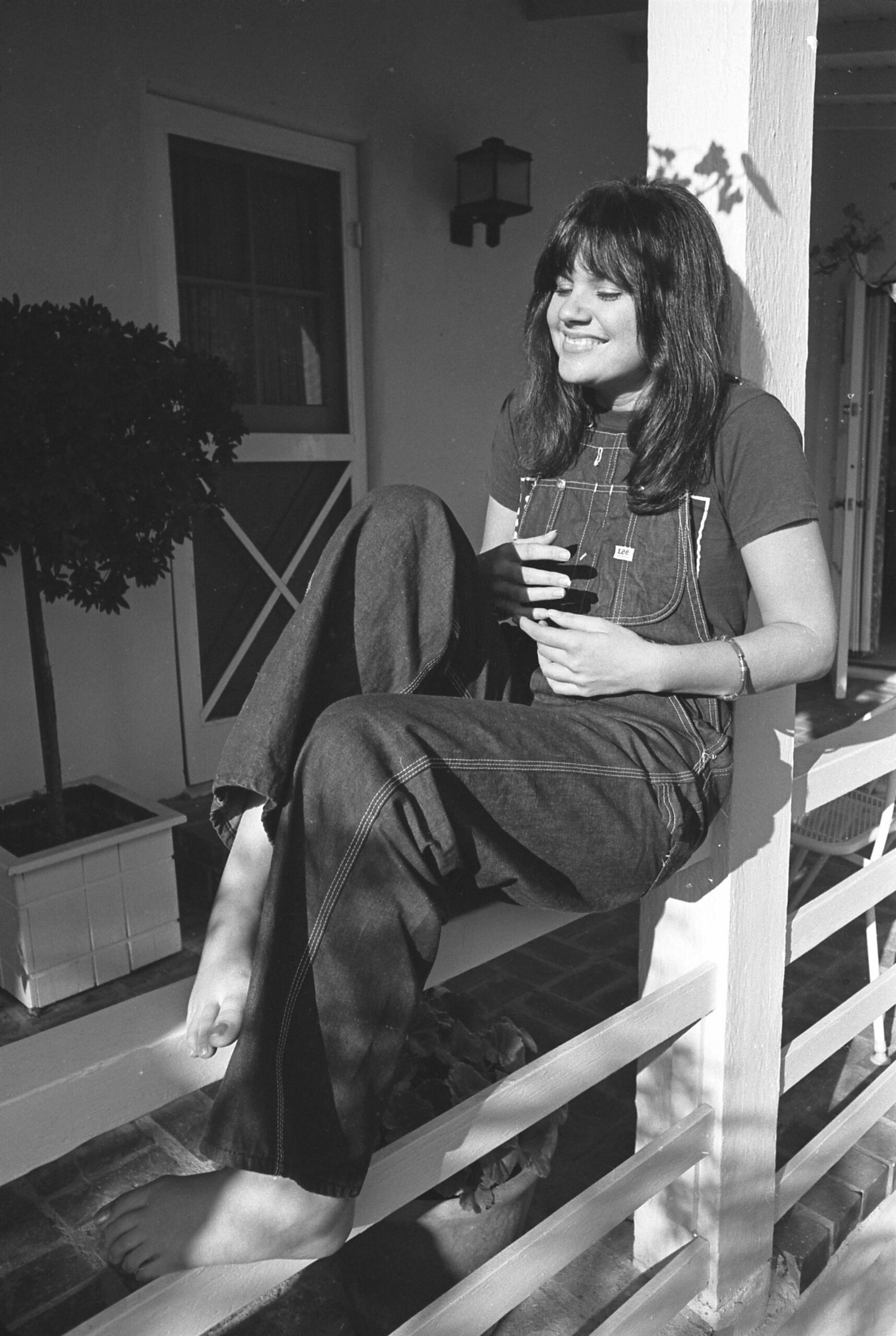
Roy Orbison’s Blue Bayou had been a beautiful near-miss: a song about a homesick working man saving his money to return to the place where the folks are fine and the world is mine, recorded in the early 1960s and largely overlooked in its writer’s own country. Fourteen years later it fell into the hands of the one singer in America who could make it sound less like a song than a memory. Linda Ronstadt’s version, released in August 1977, reached No. 3, crossed over to the country charts, earned two Grammy nominations and did something no recording by a woman had done before. It also nearly didn’t happen — her producer doubted it, and the song had to be talked into her life by two friends who suggested it, independently, at almost the same moment.
A B-Side in Its Own Country
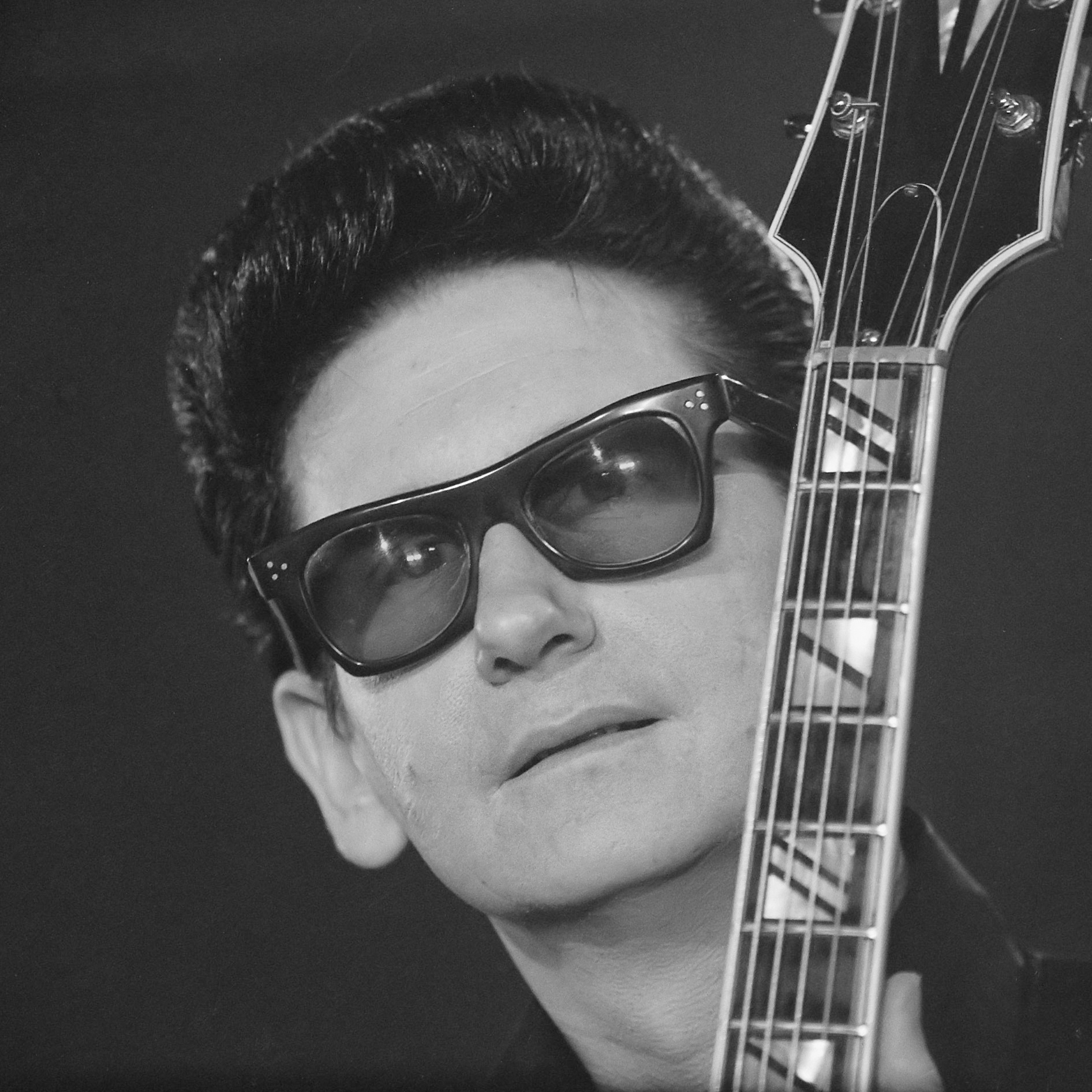
Blue Bayou was written by Orbison with his songwriting partner Joe Melson, the collaborator behind many of his early-sixties classics, and Orbison recorded it in 1961. When Monument Records released it in 1963, it was as the B-side of Mean Woman Blues, and it appeared on his album In Dreams. The song travelled well — it reached No. 3 in Britain and topped the charts in Australia and Ireland — but in the United States it stopped at No. 29 on the Billboard Hot 100, a modest showing for a record of its quality. Orbison’s version is stately and aching, sung in that weightless, operatic voice. It was, as later events proved, not a finished story. It was a song waiting for its singer.
Ronstadt, meanwhile, had form with exactly this kind of rescue. Since joining producer Peter Asher for Heart Like a Wheel in 1974 — the album that took her to No. 1 and produced her first chart-topping single, You’re No Good — she had built the defining interpretive career of the decade, finding the definitive readings of songs by Buddy Holly, the Everly Brothers, Smokey Robinson and Hank Williams. Her gift was never novelty; it was recognition. She heard what a song was about, and sang precisely that. In the summer of 1977 she was, by common consent, the most successful female singer in America, coming off a run of platinum albums and arena tours. The machine was ready. All it needed was the song — and the song, fittingly, was one she had loved since girlhood, gathering dust on the B-side of somebody else’s hit.

Two Friends, the Same Suggestion
Ronstadt had admired Orbison’s record since she was a teenager, but the immediate push came from her circle. Both J. D. Souther, the singer-songwriter who moved through her Los Angeles world, and Glenn Frey of the Eagles suggested Blue Bayou to her at around the same time — in one telling, Souther taught her the song on the same evening she first heard Warren Zevon’s Poor Poor Pitiful Me. Her producer, Peter Asher, was the sceptic: he worried the song was not commercial enough and looked for reassurance before committing to it. Ronstadt was sure, and Asher, whose instincts about her had been right since Heart Like a Wheel, backed her judgement.
The recording was made in 1977 at the Sound Factory in Hollywood, with Asher producing and Ronstadt’s superb road band around her; Don Henley of the Eagles contributed backing vocals. The arrangement rebuilds Orbison’s song rather than copying it — where the original drifts, Ronstadt’s version sways, with a gentle Cajun lilt under a vocal that moves from a murmur to a soaring, open-throated climax on the final choruses. Listen to how the performance is paced: she sings the verses like a woman thinking aloud, saving the full weight of that extraordinary voice for the words “blue bayou” themselves, each return of the title landing a little harder than the one before, until the last choruses feel less sung than surrendered to. The band understands its job perfectly — to build a porch, a bayou and a memory around her, and then get out of the way. It is the defining Ronstadt performance: technical control so complete that all you hear is longing.
The Autumn of Simple Dreams
The single was released on 23 August 1977, ahead of the album Simple Dreams, which followed on 6 September. America responded on every chart that mattered. Blue Bayou spent four weeks at No. 3 on the Billboard Hot 100, reached No. 2 on the country chart and No. 3 on the Easy Listening chart — a pop record, a country record and an adult record at once. On the rival Cash Box Top 100 it did one better, holding at No. 2 for four weeks, and in Canada it peaked at No. 2 as well. In Britain, intriguingly, it stopped at No. 35 — in the one country where Orbison’s original had been a top three hit, the old version kept its crown, and the changing of the guard was an American story. Consider what No. 3 meant that autumn: the song was kept from the summit during the very weeks when Ronstadt herself was the dominant commercial force in American music, which tells you less about the record’s limits than about the traffic at the top of the charts in 1977. At the same time, the album’s next single, the Buddy Holly cover It’s So Easy, climbed to No. 5. Ronstadt thereby became the first female artist — and the first act of any kind since the Beatles — to hold two singles in the top five simultaneously.
The album itself performed the same trick at larger scale. Simple Dreams spent five weeks at No. 1 on the Billboard album chart, displacing Fleetwood Mac’s Rumours after that album’s record-breaking twenty-nine weeks on top, and Asher’s work on it helped earn him the Grammy for Producer of the Year. Blue Bayou was nominated for Record of the Year and for Best Pop Vocal Performance, Female, at the 1978 Grammy Awards, and the single went on to platinum certification — the first platinum single of Ronstadt’s career. The B-side worry of 1963 had become the centrepiece of the best-selling album in America.
Lago Azul, and a Signature for Life
Ronstadt’s attachment to the song went beyond one hit version. In 1978 she recorded it in Spanish as Lago Azul, with translation help from her father, Gilbert Ronstadt — an early sign of the Mexican musical heritage she would embrace fully a decade later on Canciones de Mi Padre, and a reminder that the homesickness in the song was, for the daughter of Tucson, a border-country feeling she had known all her life. On stage, the song closed arguments: her performance of it on her 1980 HBO concert special, filmed at Television Center Studios in Hollywood and eventually released as the album Live in Hollywood, shows a singer at the absolute height of her powers, holding the long final notes with a stillness arenas rarely manage.
Every great interpreter has one song that the public simply assigns to them, whatever the songbook says about authorship. Orbison wrote Blue Bayou, and his recording is a small masterpiece. But after the autumn of 1977, the song belonged to Ronstadt — the homesick lyric finally sung by someone whose voice sounded like the place the singer is longing for. She kept it at the centre of her concerts for the rest of her performing life, through country-rock, standards, operetta and mariachi phases, until illness ended her singing career and the documentaries and memoirs began. In Linda Ronstadt: The Sound of My Voice, the 2019 film of her life, the song stands where it always stood: as the purest demonstration of what she could do. The two friends who suggested it, and the producer who doubted it, had all been answered by the same four weeks at No. 3.
Leave a Reply